
Livraison le jour même ou le lendemain

Qualité garantie

Débloquez vos offres de bienvenue: Livraison GRATUITE | Jusqu'à -80 % | 30 jours d'essai gratuits à JoyPlus
Téléchargez l'application
Waking up on the right side of the bed, especially on dark winter mornings, can be a real challenge. Jarring alarms jolt us out of our sleep, leaving us groggy and irritable for the rest of the day. The sunrise simulator wake-up light offers a gentle alternative, designed to resync our internal clock with a natural, gradual sunrise.
With a market flooded with models making tempting promises, it's easy to get lost. Our mission at Joybuy is to help you cut through the noise and identify the devices that truly deliver. To guide you, here are the pitfalls to avoid and the key criteria for making the right choice.
Many low-cost options may seem appealing, but their flaws often render them ineffective or even counterproductive.
To be sure your wake-up light will be effective, pay close attention to these three key points.
This is the number one criterion, the one on which you should make no compromises. The effectiveness of light therapy relies on exposure to sufficiently intense light.
A good wake-up light doesn't just wake you up; it also helps you fall asleep.
The device should be a breeze to use on a daily basis.
Rather than an endless list, here are three products that check all the boxes, each designed for a different type of user.
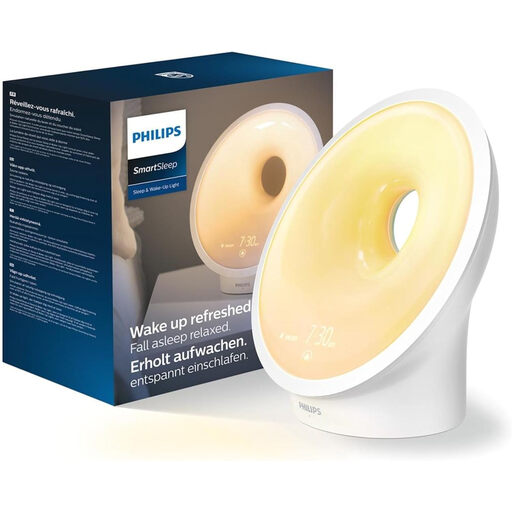
Why we chose it: For those who want the most complete and proven solution. This device goes beyond a simple sunrise simulation: it includes sleep-aid and relaxation features based on cardiac coherence (light-guided breathing exercises).
It provides high brightness (up to 315 lux) and a very natural colour gradient. Developed with sleep specialists, it avoids the trap of gimmicky and unreliable features.
Combines sunrise and sunset simulation with the RelaxBreathe relaxation feature. Its overall ergonomics and touchscreen make it very easy to get the hang of.
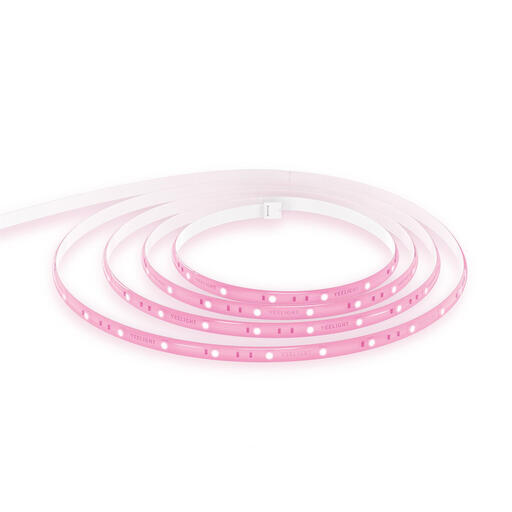
Why we chose it: For the tech enthusiast who loves to create their own scenarios. This connected LED strip integrates seamlessly with Alexa, Google Home, and Apple HomeKit ecosystems, allowing you to program a 100% personalised "sunrise" routine.
By giving you full control, it sidesteps the pitfall of poor-quality light spectrums. You program the colour transition and duration yourself via the app, achieving a much more refined result than with a low-end device.
Flexibility and integration. Ideal for creating lighting moods for the whole day, not just for waking up. It can be extended and cut to perfectly fit a headboard or the outline of a room.
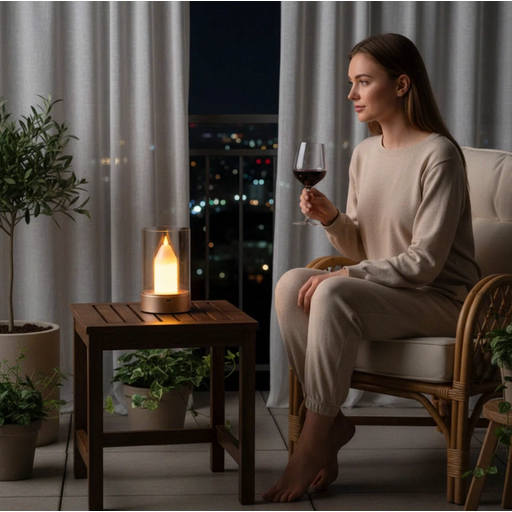
Why we chose it: For those who don't need an alarm but want to perfect their bedtime ritual. This decorative lamp emits a warm, soft light, perfect for reading and relaxing before sleep, promoting a healthy sleep cycle.
It focuses on one thing and does it perfectly: creating quality ambient light. Its warm light (3000 K) and intensity dimmer help avoid the harsh blue light that disrupts melatonin production in the evening.
Its minimalist design and cordless operation (rechargeable battery) make it a portable object. The touch control for adjusting intensity is very intuitive, and the flickering flame effect adds a relaxing touch, without the risks of a real candle.
We have selected a full range of products that meet our quality requirements and current safety standards.
The vast majority of modern sunrise simulators use integrated LED bulbs. These have a very long lifespan, often estimated at over 20,000 hours. In practical terms, this means the light source will last for many years and is generally not designed to be replaced.
No, LED technology is extremely energy-efficient. Even at full power, a wake-up light's consumption is very low, in the range of a few watts. Its impact on your electricity bill will therefore be negligible, much lower than that of an old incandescent bulb.
Yes, intensity is a crucial factor. For a noticeable effect on the wake-up cycle, a maximum brightness of at least 200 to 300 lux is recommended. However, sensitivity to light varies from person to person. That's why it's essential to choose a model with multiple intensity levels, so you can adjust it to your comfort and your room's brightness.