
Livraison le jour même ou le lendemain

Qualité garantie

Débloquez vos offres de bienvenue: Livraison GRATUITE | Jusqu'à -80 % | 30 jours d'essai gratuits à JoyPlus
Téléchargez l'application
Waking up on the right side of the bed, especially on dark winter mornings, can feel like an uphill battle. If the idea of swapping your smartphone's jarring alarm for a gentle start to your day appeals to you, a wake-up light is likely the solution you've been looking for. But with a flood of options on the market, many with misleading claims, how do you navigate the choices?
As a product selection expert at Joybuy, I'm here to help you see things more clearly. Let's cut through the marketing jargon and focus on what really matters. Here are the pitfalls to avoid and the key criteria for making the right choice.
Too many devices on the market fail to deliver on their promises. Before you buy, keep an eye out for these three common issues that can turn a good investment into a disappointment.
To ensure you make the right choice, carefully examine these three parameters. They are what separate a simple gadget from a true wellness ally.
The entire value of a wake-up light lies in its ability to replicate a realistic sunrise.
Light isn't everything. The accompanying sound environment is just as crucial.
A wake-up light is an everyday object. Using it should be effortless.
Every user is unique. Here are a few options that meet a variety of needs while respecting the criteria we've just covered.
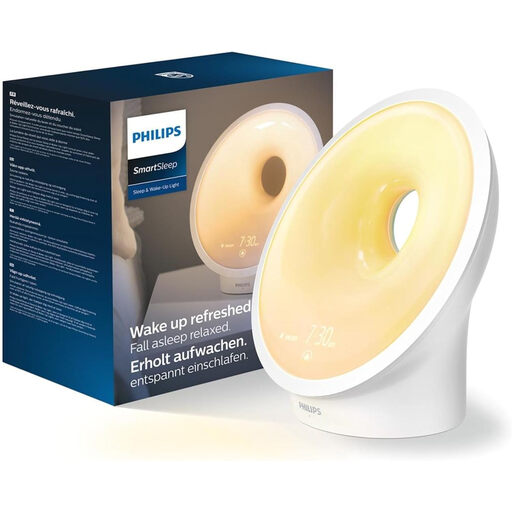
Why you need it: This is the gold standard for those who want a complete, proven solution. More than just an alarm clock, it supports the entire sleep cycle, from falling asleep to waking up.
It checks all the boxes: natural sunrise simulation (from red to bright yellow), sunset mode, and high-fidelity sounds. It successfully avoids the three classic pitfalls.
The RelaxBreathe relaxation feature, which guides your breathing with light, is a real asset for falling asleep. The smart touchscreen and soft nightlight are particularly well-designed.
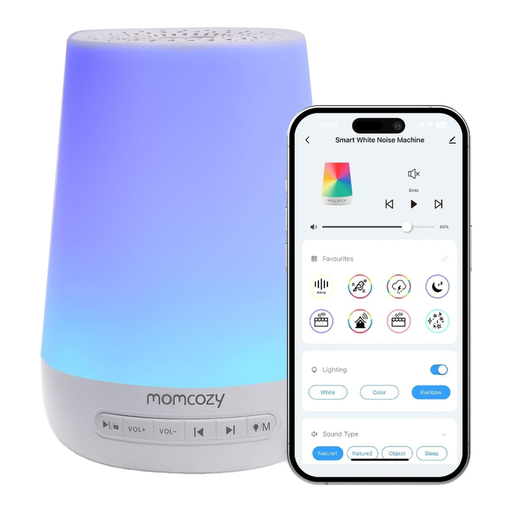
Why you need it: Perfect for people who are sensitive to noise or use sound to relax. With this device, light takes a backseat to a rich world of audio.
It directly tackles the pitfall of poor-quality sound with its library of 34 high-fidelity soundscapes. The 7-colour nightlight provides a soft glow, avoiding the harsh lighting trap.
Its secret weapon? A massive sound library and full control via a smartphone app to create custom sleep and wake-up routines.
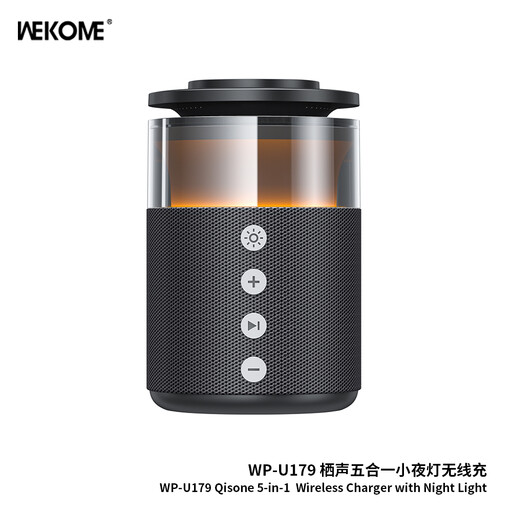
Why you need it: For those looking to optimise their nightstand space. This device combines a nightlight, fast wireless charger, and clock into an ultra-compact design.
It's not a sunrise simulator, and that's its strength. It embraces its role as a practical bedside accessory by offering a quality nightlight that avoids the harsh-light trap.
It's the Swiss Army knife of the nightstand: it charges your phone, acts as a stand, a clock, and a nightlight. The smart choice for decluttering and modernising your bedroom.
Our selection doesn't end here. Explore other lighting solutions for the bedroom, from soothing nightlights to smart lamps, all rigorously selected.
A standard light-based alarm simply turns on at a set time with an intense, white light—a real shock to the system. A sunrise simulator, on the other hand, mimics the sunrise by very gradually increasing the brightness and shifting the light's colour (from red to bright yellow) over 20 to 40 minutes for an infinitely more natural awakening.
No, the power consumption is negligible. These devices use highly energy-efficient LED technology. The annual consumption is often less than that of a standby internet router. Its impact on your electricity bill will be minimal.
The adjustment period is usually very quick. Most users notice positive effects within the first few days, reporting less jarring wake-ups and more energy in the morning. Generally, allow one to two weeks for your body to fully adapt to this new rhythm and experience all the benefits.