
Livraison le jour même ou le lendemain

Qualité garantie

Débloquez vos offres de bienvenue: Livraison GRATUITE | Jusqu'à -80 % | 30 jours d'essai gratuits à JoyPlus
Téléchargez l'application
Dark winter mornings make waking up an ordeal for many of us. The jarring smartphone alarm that rips us from our sleep is a true morning assault. To fix this, one solution is gaining popularity: the sunrise simulator alarm clock. But with a plethora of options, how can you tell an effective device from a mere gadget??
As a Product Expert at Joybuy, I'm here to guide you. Together, we'll break down the common pitfalls and essential criteria for making the right choice, so your mornings can once again become a moment of serenity.
Marketing often highlights gimmicky features at the expense of the essentials. Here are the three most common mistakes that could lead to buyer's remorse.
To make the right choice, focus on these three fundamental parameters. They will determine the effectiveness and user comfort of your future wake-up light.
The effectiveness of a sunrise simulator depends on its ability to produce a light intense enough to send the right signal to your body: it's time to wake up.
A quality device isn't just for waking up; it also helps you fall asleep. The sunset simulator feature works on the opposite principle of the sunrise: the light gradually dims from a warm glow to complete darkness, signalling to your body that it's time to wind down. Some more advanced models even offer light-guided breathing exercises, a true sleep aid to help calm your heart rate and clear your mind.
The audio component is the finishing touch: it must be flawless.
Rather than an endless catalogue, here are a few models that meet specific needs, based on the criteria we've just outlined.
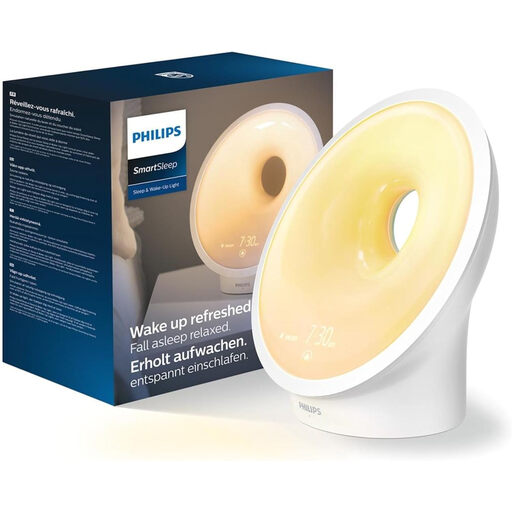
Why it's a match: This user isn't looking for a simple alarm clock, but a true sleep coach. The Philips SmartSleep meets this need with advanced features like sunset simulation and guided breathing exercises (RelaxBreathe), which transform bedtime and wake-up routines into relaxation rituals.
With its 315 lux and realistic colour gradient (red-orange-yellow), it checks the box for effective brightness. Its 7 natural sounds and FM radio, coupled with a gradual volume increase, ensure a flawless audio wake-up experience.
The RelaxBreathe (guided breathing) feature and the customisable sunset simulator elevate it far beyond the status of a simple alarm clock. It's a true wellness ally.
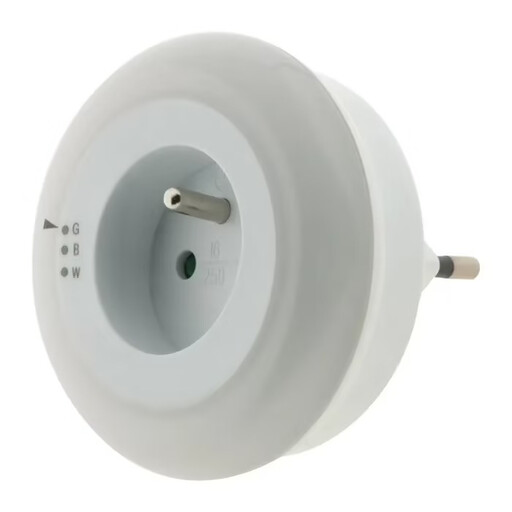
Why it's a match: Note, this is not a sunrise simulator. It's the perfect solution for those who get up at night and want to avoid dazzling themselves with bright light. Perfect for a hallway or a child's room, it provides just enough light to move around without disrupting the sleep cycle.
Its promise is simple and it delivers: it turns on automatically in the dark to provide a soft light. Its dusk sensor makes it 100% autonomous, and its negligible power consumption (0.5 W) makes it as discreet as it is economical.
Its "pass-through socket" design is brilliant: it plugs into the wall without blocking the outlet, which remains available for another device. The choice between three colours (blue, green, white) allows you to customise the ambiance.
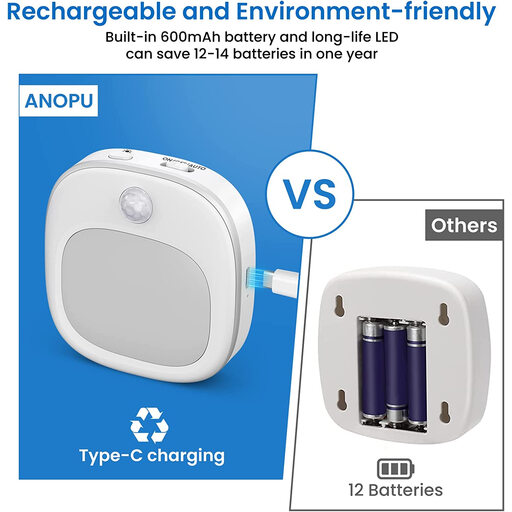
Why it's a match: For those who want fully customisable, wire-free accent lighting without an alarm function. This pack is perfect for adjusting the lighting mood: a warm light in the bedroom, a more neutral one in the hallway... All wire-free, thanks to their rechargeable batteries.
This product doesn't over-promise. It does one thing and does it perfectly: provide on-demand lighting thanks to a reliable motion detector, with excellent battery life and highly advanced light customisation.
The combination of 3 colour temperatures and 5 intensity levels is a rare and highly appreciated feature in this category. Rechargeable via USB, they are ultra-versatile and can be placed (or stuck) absolutely anywhere.
Optimising your home's lighting is essential for quality sleep. Discover our complete selection of smart lighting fixtures, all tested and approved by our experts for their practicality and reliability.
Is a sunrise simulator really effective in winter? Absolutely. In fact, its benefits are greatest during the darkest months. By mimicking a natural sunrise, it helps regulate your body's hormone cycle (melatonin, the sleep hormone, and cortisol, the wakefulness hormone). The result: you emerge from sleep more naturally and with more energy, even when it's still pitch black outside.
What is the lifespan of a wake-up light? Almost all current models use LEDs. Their lifespan is considerable, typically estimated at 20,000 to 50,000 hours. In practical terms, this represents years of daily use before you would even need to consider replacing the light source.
How many lux are needed for an effective sunrise simulator? To achieve a real physiological effect, aim for a model capable of delivering a minimum of 250 to 300 lux. This is the recognised threshold for effectiveness. Below this level, the light may be insufficient to block melatonin production and ensure an energetic wake-up. Ideally, the device should also allow you to adjust this maximum intensity to suit your personal sensitivity.