
Livraison le jour même ou le lendemain

Qualité garantie

Débloquez vos offres de bienvenue: Livraison GRATUITE | Jusqu'à -80 % | 30 jours d'essai gratuits à JoyPlus
Téléchargez l'application
Say goodbye to jarring wake-ups in the dark to the shrill sound of your smartphone. Jumping out of bed in complete darkness often leaves you feeling tired, casting a shadow over the rest of your day. The promise of a sunrise alarm clock? To replace this ordeal with a gradual and far more natural awakening. But be warned: the market is flooded with options, and not all models are created equal. It's easy to make the wrong choice.
As editorial experts, our mission is to help you make an informed decision. Let's break down the pitfalls to avoid and the criteria that truly matter, so you can choose wisely.
Before you fall for a sleek design or an endless spec sheet, it's best to know the flaws that can turn a great idea into a daily annoyance.
To make an informed choice, focus on the few features that truly make a difference in daily use.
This is the heart of the matter. A good simulator must, above all, successfully replicate a sunrise. Check these two points:
Once the light has set the stage, the sound takes over. Favour models with high-quality natural sounds or, more simply, an FM radio to wake up to your favourite morning show. Some premium models go further, offering a sleep aid with relaxing sounds or light-guided breathing exercises: a real bonus for unwinding.
Two features prove especially practical for daily use:
There's a solution for every need. Here are a few products we've selected, each tailored to a specific use case.
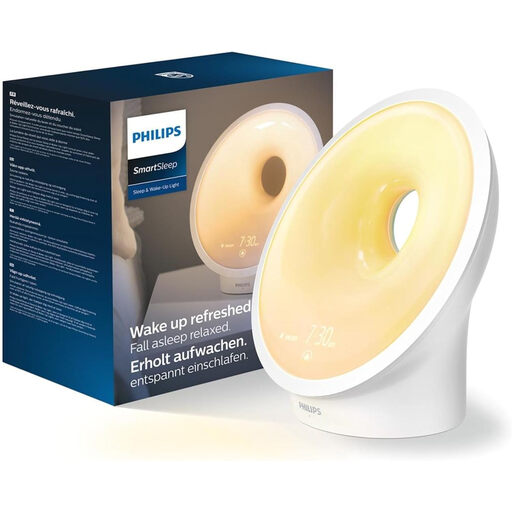
Why it stands out: For those who want an all-in-one solution to improve their sleep, this device checks all the boxes: sunrise and sunset simulation, natural sounds, radio, and advanced relaxation features.
It offers a light simulation that Philips describes as "inspired by nature," with a colour transition from red to bright yellow. Its touchscreen automatically adjusts its brightness to the room's ambient light, preventing the beacon effect at night.
The light-guided relaxation feature (RelaxBreathe) and the sunset simulation make it a true sleep coach, helping you fall asleep peacefully and wake up refreshed.
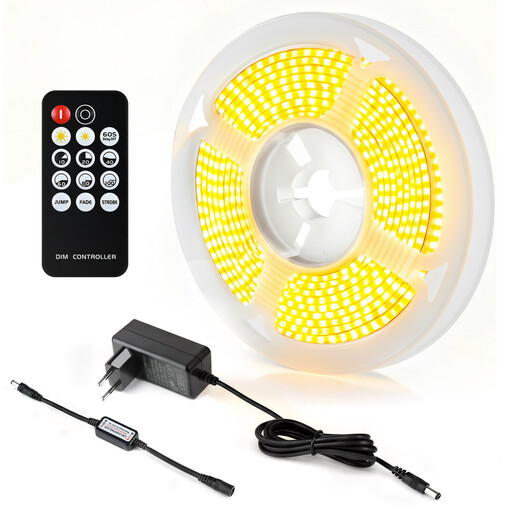
Why it's a great alternative: Ideal for those who want to integrate their lighting into their decor. This LED strip lets you create a diffused light halo behind a headboard or under a bed frame for a gentle wake-up experience.
It provides a warm (3000K), uniform light with no visible hotspots, thanks to COB technology. The intensity is adjustable via remote control, preventing any harsh glare. Paired with a smart plug (not included), it becomes programmable.
Its installation flexibility and extremely uniform light output. Its high colour rendering index (CRI 92) ensures a quality light that respects the true colours of your interior.
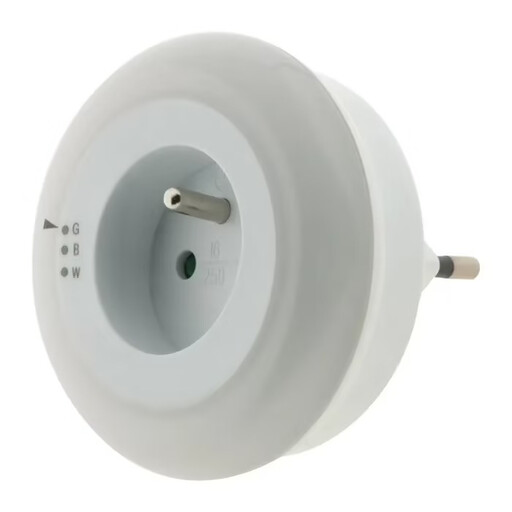
Why it's the right choice: For those who don't need a full simulation but want a simple, automatic solution to light a hallway or bedroom at night. It turns on by itself in the dark and off at dawn.
Here, there are no complex ergonomics or blinding screens. Its function is singular and 100% automated, thanks to its dusk-to-dawn sensor. Zero buttons, zero settings.
Its integrated pass-through socket is a real plus: it plugs into the wall while leaving the outlet free for another device. Its power consumption is negligible (0.5 W).
We have put together a complete selection of products that meet our quality requirements and current safety standards.
Almost all current models use LED technology. These bulbs have an extremely long lifespan, ranging from 20,000 to 50,000 hours. In practice, for daily use, this translates to several decades of operation. You will likely never have to replace it.
No, LED technology is very energy-efficient. Even at full power, a wake-up light rarely consumes more than 20 watts. This is far less than an old incandescent bulb, so its impact on your electricity bill will be negligible.
It's important not to confuse the two. Consumer-grade sunrise alarm clocks are wellness devices designed to make waking up more comfortable. By mimicking natural light, they help many users better regulate their biological clock, especially in winter. However, for the medical treatment of seasonal affective disorder (SAD), you must use a light therapy lamp that is certified as a medical device and consult a healthcare professional for advice.