
Livraison le jour même ou le lendemain

Qualité garantie

Débloquez vos offres de bienvenue: Livraison GRATUITE | Jusqu'à -80 % | 30 jours d'essai gratuits à JoyPlus
Téléchargez l'application
With promises of “vitality”, “sugar-free” recipes and drinks marketed for sport, comparing vitamin and hydration drinks is not always straightforward. For an active adult, student or occasional athlete, the right choice mainly depends on the ingredients, format and when you plan to drink it.
Water remains the go-to choice for everyday hydration. An electrolyte drink or sports drink may provide sodium, potassium or magnesium, but that does not make it essential in every situation. After moderate activity, a sugary or fortified drink is not necessarily useful.
The term “vitamin” does not turn a drink into a complete nutritional solution either. Compare the vitamins and minerals it contains with the amounts shown on the label, taking into account the portion you will actually consume.
A sugar-free drink may contain sweeteners such as sucralose, acesulfame K or steviol glycosides. These ingredients help reduce the sugar content, but they also affect the taste and may not suit every palate.
Conversely, a low-calorie drink may still provide several grams of sugar per bottle. The best approach is therefore to check the “of which sugars” line per 100 ml and for the entire container.
An energy drink may contain caffeine, tea or stimulating plant extracts. In the European Union, drinks containing more than 150 mg of caffeine per litre must carry a specific warning. Check the amount in each can and add it to the other sources of caffeine you consume throughout the day.
Highly caffeinated drinks are not recommended for children, pregnant or breastfeeding women, or people who are sensitive to caffeine. Always check the label and the manufacturer’s recommendations.
To compare a vitamin water, fruit drink and electrolyte drink, start by checking these three elements:
For example, Vitamin Well Reload Lemon lists 14 kcal and 3.4 g of sugars per 100 ml, equivalent to 70 kcal and 17 g of sugars per 500 ml. By contrast, Vitamin Well Zero Lemon lists 0 kcal and 0 g of sugars per 100 ml, with sweeteners in its recipe.
A fortified drink may contain vitamin C, B vitamins, vitamin D, zinc, magnesium or potassium. Focus on the precise list of nutrients rather than the images and claims highlighted on the packaging.
Claims about a vitamin’s contribution to energy metabolism or the reduction of tiredness are regulated under European legislation when they appear on the label. They do not guarantee an immediate effect and are not a substitute for a varied diet.
A pack of drinks can help reduce the need for repeat purchases, but remember to check the total volume and the space required for storage. Once opened, several products must be kept in the fridge and consumed within 24 hours or three days, depending on the instructions on the label.
At the office, while travelling or after a workout, resealable bottles are particularly practical. 330 ml pouches take up less space, while cans are less convenient if you want to drink the contents in portions.
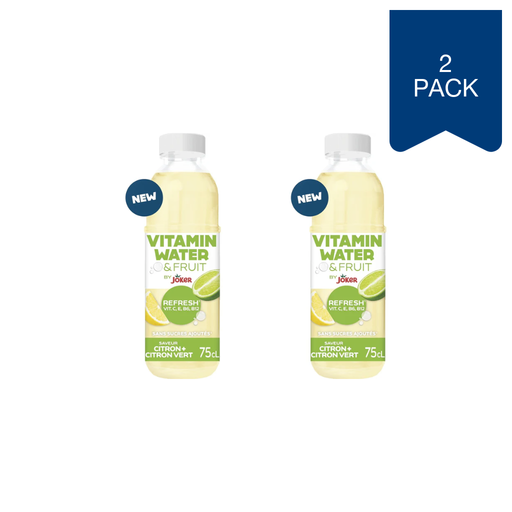
Why this product suits this profile : At 75 cl, this format fits easily in the fridge and can be taken to the office or with you on a day out. The two-pack lets you try a fruit drink without committing to a large multipack straight away.
The product information states that there is no added sugar and lists 13 kcal per 100 ml. However, it also mentions 2.9 g of sugars per 100 ml, mainly from fruit juices, so this figure is worth checking before buying.
20 % fruit, plus vitamins C, B6, B12 and folate, in a recipe with no declared allergens.
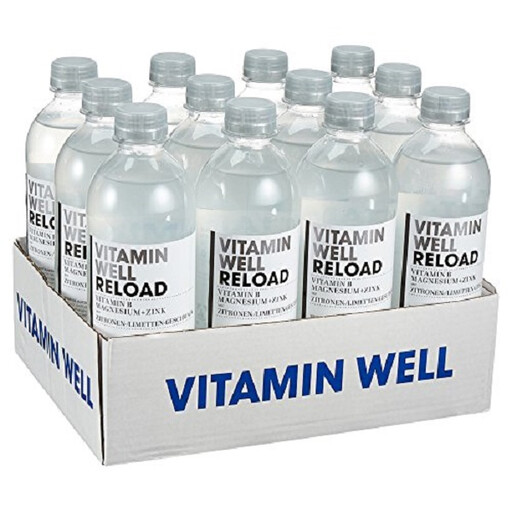
Why this product suits this profile : The pack of 12 50 cl bottles is ideal if you want to build up a supply for home, work or your daily journeys.
The energy value is clearly displayed: 14 kcal per 100 ml. However, the presence of fructose and 17 g of sugars per 500 ml bottle should be taken into account before choosing this product.
Vitamins C, D and B-group vitamins, zinc, magnesium and selenium, all in a still drink with lemon and lime notes.
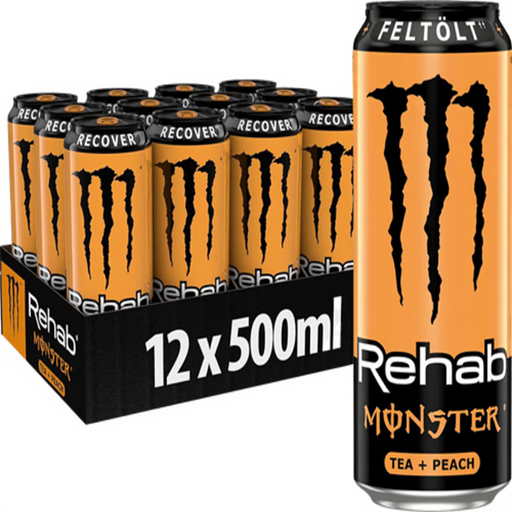
Why this product suits this profile : This multipack is aimed at consumers looking for a still drink containing caffeine for certain working days, study sessions or journeys.
The 32 mg caffeine content per 100 ml is clearly stated, equivalent to 160 mg per 500 ml can. This is a useful reference point to help you avoid unintentionally exceeding the amount you consume in a day.
Peach tea, electrolytes, coconut water and 10 kcal per 100 ml. The product information does, however, indicate a high caffeine content.
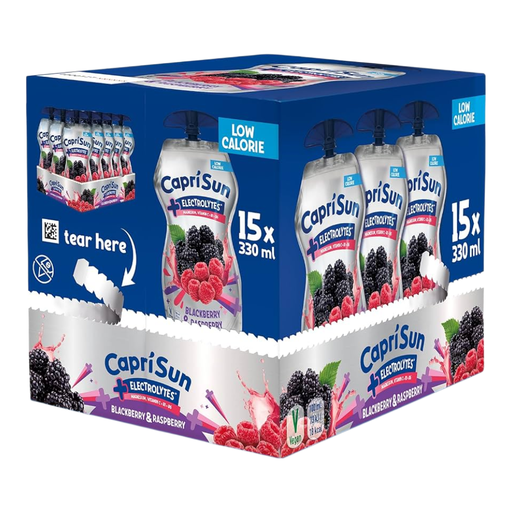
Why this product suits this profile : The resealable 33 cl pouches slip easily into a bag and let you drink a more moderate amount during an outing or physical activity.
The product information lists 4.9 g of sugars and around 20 kcal per 100 ml. With a 330 ml format, the calculation is simple: one pouch provides around 16.2 g of sugars.
Magnesium, vitamins C, B1 and B6, blackberry and raspberry flavour, with no artificial flavourings, colourings or preservatives stated.
We have brought together a complete, real-time-updated selection of products that meet these demanding criteria and comply with European safety regulations.
For a short or low-intensity activity, water is generally enough. A sports drink containing electrolytes may be useful when exercise lasts longer, in hot weather or if you sweat heavily. In that case, compare the sodium, magnesium, potassium and sugar content.
No, not necessarily. A sugar-free drink may contain very few calories, or even none, but you should check the nutritional information. Fruit juices or recipes containing carbohydrates may still have an energy value, even without added sugar.
It depends on the product. Some products recommend refrigeration and consumption within 24 hours, while others should be consumed within three days. The best-before date, storage conditions and instructions for after opening shown on the packaging should always be followed.