
Livraison le jour même ou le lendemain

Qualité garantie

Débloquez vos offres de bienvenue: Livraison GRATUITE | Jusqu'à -80 % | 30 jours d'essai gratuits à JoyPlus
Téléchargez l'application
Sugar-free functional drinks appeal to active adults who want to enjoy more variety without adding to their calorie intake. But a colourful label, the word ‘vitamin-enriched’ or a fruity flavour is not enough to guarantee you are making the right choice. From vitamin drinks and electrolyte drinks to sugar-free flavoured water and sugar-free energy drinks, both the ingredients and the best uses can vary considerably.
Before ordering a pack for home, the office, an occasional workout or when you are out and about, there are three particularly common pitfalls that are easy to avoid.
A drink may contain no added sugar while still providing the naturally occurring sugars found in fruit juice. A drink containing 20% fruit can therefore still be fairly high in sugar. The best approach is to check the ‘of which sugars’ line in the nutrition table, shown per 100 ml and sometimes per serving.
For comparison, some products contain 0 g of sugars per 100 ml. Volvic Juicy Strawberry contains around 4.8 g per 100 ml, compared with approximately 7.4 g for Oasis Strawberry. These products may suit you if fruity flavour is your main priority, but they do not meet the same need as a sugar-free vitamin water.
Vitamins and minerals do not replace water. A functional drink may provide magnesium, vitamins or electrolytes, but its formula should primarily match the way you intend to use it.
An electrolyte drink generally contains sodium, potassium, magnesium or calcium. This type of formula can be useful when you sweat during physical activity. For a mainly sedentary working day, sugar-free flavoured water or a low-calorie drink will often be easier to incorporate into your daily routine.
A sugar-free energy drink may contain very few calories while still providing caffeine, guarana or green tea. Celsius Strawberry & Passion Fruit, for example, contains 32 mg of caffeine per 100 ml. A 35.5 cl can therefore provide a significant dose, particularly if you already drink coffee or tea during the day.
Sweeteners such as stevia, sucralose and acesulfame-K help reduce sugar content, but their taste and how well they are tolerated can vary from person to person. Checking the ingredients list is therefore essential.
When comparing two drinks, start with the values per 100 ml, in line with the way nutritional information is usually presented in the European Union. In particular, check:
A sugar-free hydration drink may contain 0 g of sugars while still containing sweeteners. Conversely, a lightly sweetened flavoured water may have a shorter ingredients list but contain more carbohydrates.
A ready-to-drink bottle is easy to keep in the office fridge or carry in a bag when travelling. Cans are convenient for individual consumption, while a pack of 12 or 24 units makes storage at home easier.
Effervescent tablets belong to a different category. Nutri&Co Electrolytes dissolves in 300 to 500 ml of water and provides 300 mg of sodium and 300 mg of potassium per tablet, along with calcium, magnesium, chloride, zinc and several vitamins. It is a food supplement, not a ready-to-drink beverage. Follow the recommended dosage and the warnings shown on the packaging.
A large 75 cl format is well suited to drinking throughout the day at home. A 50 cl bottle is easier to slip into a bag or take to work. Once opened, several products must be kept in the fridge and consumed within the time stated on the packaging.
To make a genuinely economical purchase, compare the price per litre, the number of bottles or cans and the pack’s total volume. A larger multipack is only worthwhile if the flavour, sugar content and format genuinely suit your habits.
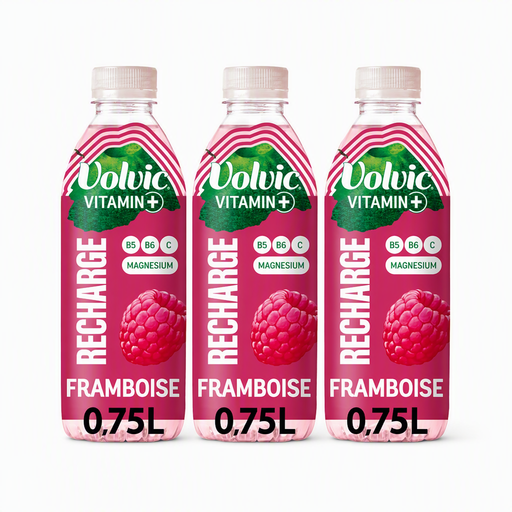
Why this choice suits this profile : With three 75 cl bottles, this pack lets you try a vitamin water without immediately investing in a large stock. The product details state 0 g of sugars and approximately 1 kcal per 100 ml.
The nutrition table clearly distinguishes between the absence of sugars and the presence of sweeteners. The bottle is ready to drink and requires no preparation.
Vitamins B3, B5, B6, B7, B9 and C, magnesium, raspberry flavour and manufacture stated as being in France.
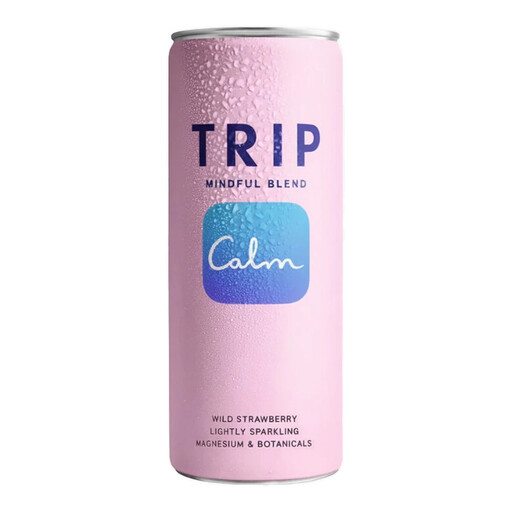
Why this choice suits this profile : Its 33 cl cans and lightly sparkling water are ideal for a refined break at the office, at home or when entertaining.
The product details state that there is no added sugar, but also specify 2 g of sugars per 100 ml – an important distinction to understand before ordering.
Wild strawberry flavour, 9 kcal per 100 ml and magnesium citrate, according to the product details.
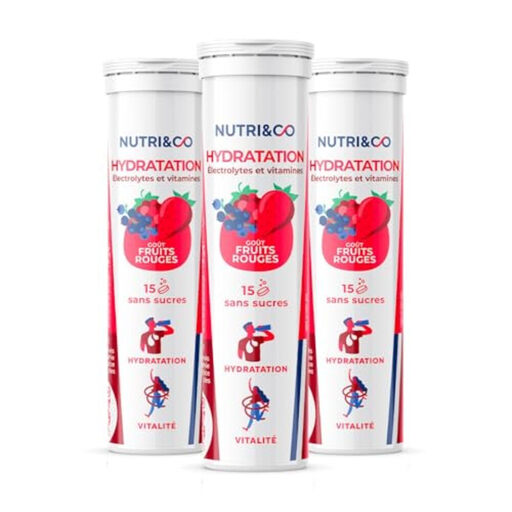
Why this choice suits this profile : With 45 tablets, this pack lets you prepare an electrolyte drink using the amount of water you prefer, before, during or after physical activity.
The ingredients and dosage are specified for each tablet. This food supplement should not be confused with an ordinary drink or a ready-to-drink beverage, and should not be consumed above the recommended dosage.
300 mg of sodium and 300 mg of potassium per tablet, red berry flavour and a sugar-free formula, according to the product details.
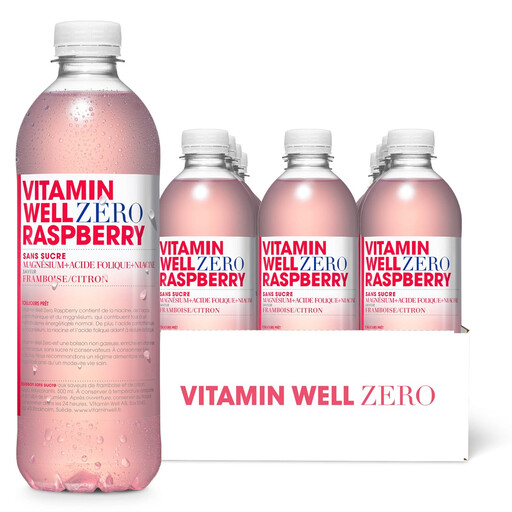
Why this choice suits this profile : The pack of 12 50 cl bottles is ideal for stocking the office, taking on your daily commute or keeping a ready-portioned, low-calorie drink to hand.
The product details show 0 g of sugars and 1 kcal per 100 ml. However, the ingredients list includes sweeteners, so you can make an informed choice.
Raspberry and lemon flavour, vitamins and minerals listed on the label, and bottles made from recycled plastic, according to the product details.
We have put together a complete, real-time updated selection of products that meet these demanding criteria and European safety requirements.
No. A drink may contain a few calories from juice, flavourings or other ingredients, even when its sugar content is zero. Always check the energy value per 100 ml as well as the complete ingredients list.
A vitamin drink focuses mainly on added vitamins, sometimes alongside magnesium or selenium. An electrolyte drink primarily provides minerals such as sodium and potassium. Some products combine both, but the quantities and intended uses are not necessarily the same. Like any food supplement, it should be consumed in accordance with its labelling.
Before opening, follow the best-before date and storage conditions shown on the packaging. Once opened, a bottle should generally be kept in the fridge and consumed promptly. To preserve the flavour and minimise storage-related risks, avoid leaving an opened drink at room temperature for several days.