
Livraison le jour même ou le lendemain

Qualité garantie

Débloquez vos offres de bienvenue: Livraison GRATUITE | Jusqu'à -80 % | 30 jours d'essai gratuits à JoyPlus
Téléchargez l'application
Cutting back on sugary fizzy drinks doesn’t mean you have to sacrifice flavour. Sugar-free drinks, zero-sugar beverages and recipes with no added sugars now cater to a wide range of needs: accompanying a meal, replacing a fruity drink, staying refreshed at the office or stocking up for the whole family.
However, the choice deserves a bit of care. A bold promise on the packaging can hide a composition that’s less light than it seems, an inconvenient format, or a caffeine content that’s unsuitable for some consumers.
A fruit drink with no added sugars can still contain the naturally occurring sugars found in fruit juices or purées. For example, Don Simon DISFRUTA mango nectar shows 17 kcal and 3.5 g of sugars per 100 ml. According to its product sheet, no sugar is added, but that doesn’t make it a zero-sugar drink.
This distinction matters for people who are carefully monitoring their carbohydrate intake or looking for genuinely low-calorie options.
Sugar-free fizzy drinks typically replace sucrose with sweeteners. So take the time to read the ingredient list: sucralose, acesulfame-K, aspartame and other additives can affect the taste and may not suit everyone’s preferences.
Some drinks also claim zero sugar while still having a sharp acidity or high carbonation. A quick look at the nutritional table can help you avoid unpleasant surprises when you take that first sip.
A sugar-free recipe can still contain caffeine, taurine or stimulating extracts. The product sheet for Red Bull Peach Edition Sugarfree lists 320 mg of caffeine per litre, which works out at around 80 mg for a 25 cl can. The product also states that it is not recommended for children or for pregnant or breastfeeding women.
For family consumption, a sugar-free lemonade or a sugar-free, caffeine-free vitamin water is often a more suitable choice.
Start by comparing the energy values, carbohydrates and the of which sugars line per 100 ml, rather than relying solely on the marketing promise on the front. A 330 ml can contains more than three times the amount listed for 100 ml.
Here are a few benchmarks taken from product sheets:
These figures don’t tell you about the taste, but they do allow you to objectively compare diet fizzy drinks, sugar-free vitamin waters and fruit-based recipes.
The choice of sweetener can alter the flavour and sometimes comes with specific warnings. Pepsi Max contains aspartame, with a note indicating the presence of a source of phenylalanine. Products containing caffeine deserve the same level of attention.
For a sugar-free aloe vera drink, also check the proportion of aloe vera, whether it contains pulp or gel, and the storage instructions after opening. The texture can vary considerably from one recipe to another.
A 1.5 l bottle will fit more easily in the family fridge, while a 25 or 33 cl can helps you control the amount you serve in one go. At the office, in a study room or on the go, 50 cl bottles are generally easier to carry.
Storage instructions after opening vary from product to product: some drinks need to be refrigerated and consumed within 24 hours, while others last two to four days. A multipack of sugar-free drinks can be handy for building up a stash, as long as you have enough space and check the best-before date.
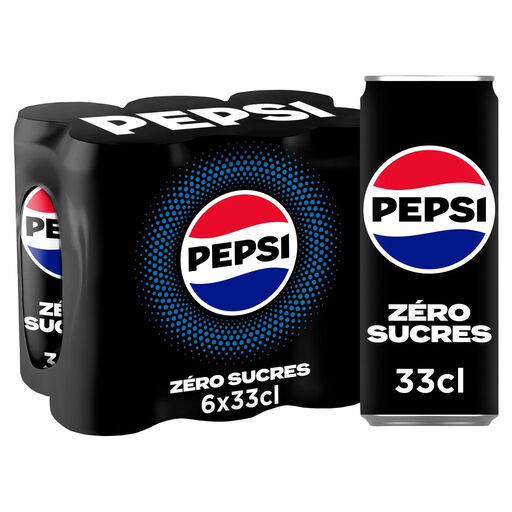
Why this choice suits this profile: With six 33 cl cans, this pack lets you try a well-known brand without committing to a large quantity. It’s ideal for occasional use at home.
The nutritional table shows 0 g of sugars per 100 ml. However, the presence of aspartame and phenylalanine should be considered before purchase.
Pack of 6 × 33 cl, carbonated drink and 0 g of sugars according to the nutritional information.
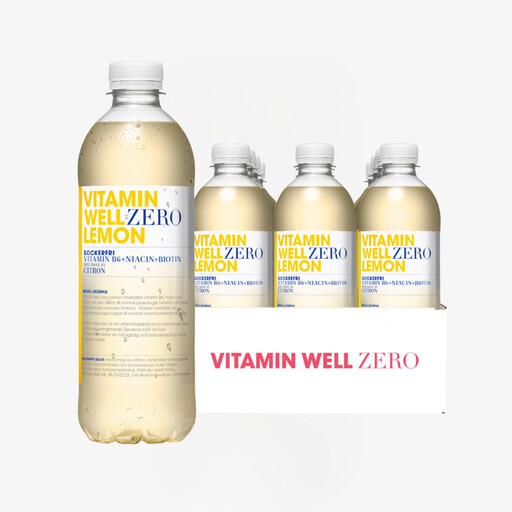
Why this choice suits this profile: With its 50 cl format and still lemon-lime recipe, this drink is ideal for those who want a discreet option at work, during commutes or with a meal.
The product sheet shows 0 kcal, 0 g of carbohydrates and 0 g of sugars per 100 ml: concrete data, not just a promise on the label.
Pack of 12 × 50 cl, vitamins and zinc listed in the ingredients, bottle made from recycled plastic according to the product sheet.
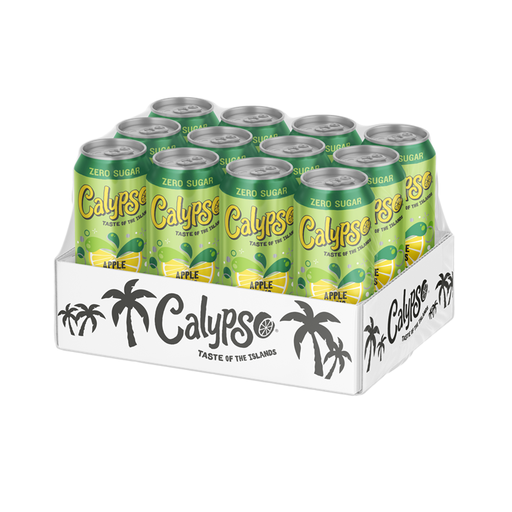
Why this choice suits this profile: Its large format is ideal for a household, an office or an event where multiple individual cans come in handy.
The can packaging means you don’t have to leave a bottle open for several days. The data shows 0 g of sugars and 2 kcal per 100 ml.
12 cans of 33 cl, sparkling apple-lemon flavour, sweeteners sucralose and acesulfame-K listed on the product sheet.
We’ve put together a comprehensive, real-time selection of products that meet these exacting criteria and comply with European safety standards.
No. Zero-sugar drinks can have a very low energy value without always being 0 kcal. Sweeteners generally replace the sugar, but other ingredients can contribute to the total energy content. Check the ‘energy’ line per 100 ml and per serving.
‘Sugar-free’ means a very low sugar content, in line with applicable regulations. ‘No added sugars’ means that no sugar has been added to the recipe, but fruits, juices or purées may contain naturally occurring sugars. A mango nectar or fruit drink can therefore still be sugary from a nutritional standpoint.
Always follow the instructions on the label first. In practice, fruit drinks and sugar-free aloe vera drinks generally need to be kept in the fridge after opening and consumed quickly. Individual cans avoid this issue, whereas a large format requires more care.