
Livraison le jour même ou le lendemain

Qualité garantie

Débloquez vos offres de bienvenue: Livraison GRATUITE | Jusqu'à -80 % | 30 jours d'essai gratuits à JoyPlus
Téléchargez l'application
After a workout, a hike or a long journey, water alone isn't always enough to meet your needs. That's where an electrolyte hydration drink comes in. But with so many options – isotonic drinks, dissolvable tablets, coconut water, vitamin and mineral-enriched drinks, and energy drinks – it can be hard to know what to choose. Their composition, sugar content and intended use can vary enormously.
To avoid making the wrong purchase, don't be swayed by promises of refreshment, energy or "recharge": the real information is on the label.
An electrolyte drink is primarily designed to provide water and certain minerals, notably sodium, potassium or magnesium. An energy drink typically contains caffeine, sometimes taurine and B vitamins. Its main aim is a stimulant effect, not purely hydration.
For example, Monster Rehab Peach contains 160 mg of caffeine per 500 ml can, while Monster Monarch Juiced has 32 mg of caffeine per 100 ml. These products are therefore not suitable for those who want to avoid caffeine. They also carry specific warnings regarding children, pregnant or breastfeeding women, and people sensitive to caffeine.
The term isotonic drink immediately brings sport to mind, but on its own it tells you nothing about the actual amount of carbohydrates, sodium or potassium per serving. Always compare the values per 100 ml with those for the whole bottle or the complete preparation.
A sugary drink can provide useful carbohydrates during prolonged activity, but it also adds more calories. A sugar-free formula is often more practical for everyday use, without replacing a balanced diet.
A powder or tablet takes up far less space in a bag than a pack of bottles. The trade-off is that you need water available and must follow the recommended dosage. A ready-to-drink option is more convenient on the spot, but it's much bulkier to carry and store.
The right choice therefore depends on your lifestyle: regular training, business trips, school days, travel or occasional use.
Sodium is particularly lost through sweat, but your needs vary depending on the intensity and duration of your exercise, as well as the temperature. Potassium, magnesium, calcium and chloride can also feature in an electrolyte replenishment formula.
To give you a benchmark, Nutri&Co Électrolytes tablets provide, per unit, 300 mg of sodium, 300 mg of potassium, 120 mg of calcium, 56.25 mg of magnesium and 323 mg of chloride. These figures make it easier to compare the product with a ready-to-drink drink or a powder.
A low-calorie drink isn't necessarily free from sweeteners. PRIME Hydration Ice Pop has 5 kcal per 100 ml, contains 10.1% concentrated coconut water and uses sucralose and acesulfame-K. Vitamin Well Hydrate, meanwhile, has 16 kcal per 100 ml, with 3.9 g of carbohydrates per 100 ml.
At the other end of the spectrum, Pocari Sweat Powder provides 288 kcal and 73 g of carbohydrates per 74 g sachet, to be diluted in 1 litre of water. This difference can be useful during prolonged activity, but it also matters if the drink is consumed regularly.
A drink with vitamins and minerals may contain vitamin C, zinc, magnesium or B vitamins. Look at the actual amounts present and the reference nutritional values, rather than relying solely on marketing language.
For an electrolyte supplement, stick to the stated dosage. Nutri&Co recommends one tablet per day dissolved in 300 to 500 ml of water and states that the product is not suitable for children or adolescents. If you have kidney failure, are on a low-sodium diet, are pregnant or breastfeeding, consult a healthcare professional before consuming it.
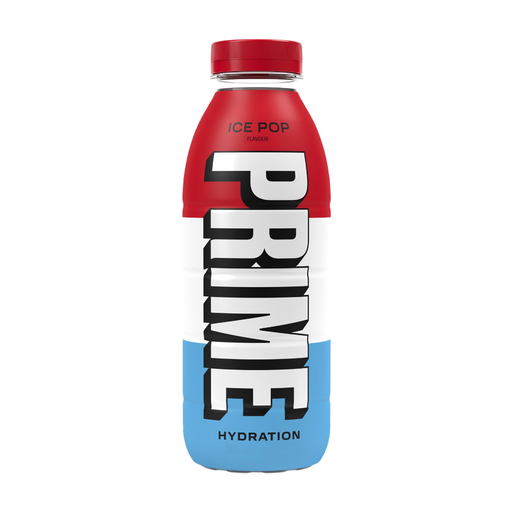
Why this choice suits this profile: Its 500 ml format slips easily into a bag and can be drunk straight after light activity, during a school day or while travelling. The drink contains concentrated coconut water, potassium and magnesium.
The label lets you check its limited energy content and the absence of caffeine in the ingredients, unlike an energy drink.
5 kcal per 100 ml, ready-to-drink bottle, vitamins E, B6 and B12, potassium and magnesium.
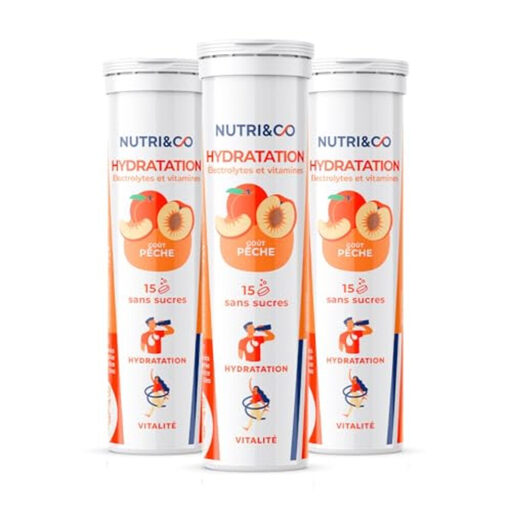
Why this choice suits this profile: The tablet format is ideal for athletes who want to prepare their own drink and minimise the space it takes up in a bag or suitcase.
The quantities are detailed for each tablet, making it easy to compare with drinks whose composition is only given per 100 ml.
300 mg of sodium and 300 mg of potassium per tablet, vitamins C, B2, B6 and B9, sugar-free peach flavour.
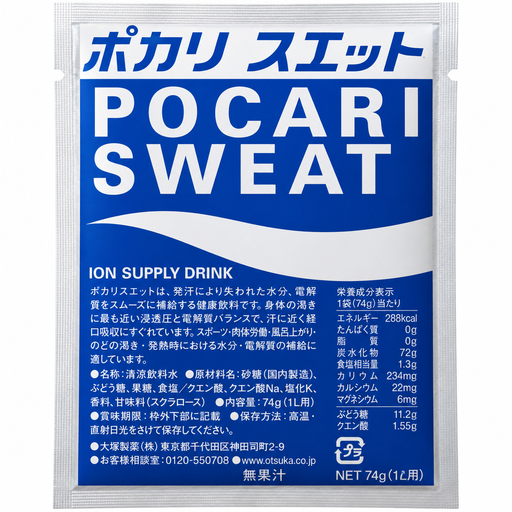
Why this choice suits this profile: Designed for 1 litre, the sachet is aimed at long sessions, outdoor activities and those who prefer to prepare a large quantity in advance.
The preparation method is clearly stated: one 74 g sachet in 1 litre of water. This gives you control over the dilution and avoids buying multiple individual bottles.
Easy-to-carry powder format, 520 mg of sodium and 214 mg of potassium per sachet, clearly stated carbohydrate content.
We've put together a comprehensive, real-time updated list of products that meet these strict selection criteria and comply with European safety regulations.
Coconut water naturally contains minerals and carbohydrates, but its composition varies by brand and format. 100% coconut water products, such as if coconut water or T.A.S. Coconut Water, typically have a short ingredient list. A formulated electrolyte drink will more readily detail the amounts of sodium, potassium, magnesium or vitamins.
It depends on its composition and your diet. A sugary, caffeinated or very mineral-rich drink may not be suitable for daily consumption. For regular use, compare the calories, sugars, caffeine and recommended serving size. As for tablet supplements, they should be used according to the instructions on the label.
Follow the manufacturer's instructions. Pocari Sweat Powder recommends storing the drink in the refrigerator for 24 hours after preparation. Opened bottles of Vitamin Well should also be refrigerated and consumed within 24 hours. For other products, refer to the date and instructions on the packaging.