
Livraison le jour même ou le lendemain

Qualité garantie

Débloquez vos offres de bienvenue: Livraison GRATUITE | Jusqu'à -80 % | 30 jours d'essai gratuits à JoyPlus
Téléchargez l'application
Faced with an ever-expanding shelf of energy drinks, it's easy to feel overwhelmed. Between promises of instant vitality, long ingredient lists, and increasingly original flavours, making the right choice can be a real headache. This guide is here to help you see more clearly and navigate the marketing traps. The goal? To help you find the energy drink that truly fits your needs and lifestyle.
The market is saturated with options, but not all are created equal. Before you fill your basket, here are two common pitfalls to be aware of to avoid unpleasant surprises.
The "Sugar-Free" Illusion: A sugar-free energy drink catches the eye, but this claim doesn't guarantee it's healthier. Sugar is often replaced by intense sweeteners (like sucralose or acesulfame-K) which, while calorie-free, can perpetuate a craving for sweet tastes. Also, don't forget that the acidity of these drinks, essential for their taste and preservation, can damage your tooth enamel.
The "Vitamin Cocktail" Argument: Many cans highlight their enrichment with vitamins, especially from the B group. While these vitamins, like B6 and B12, do contribute to normal energy metabolism and reduce fatigue, an overabundance provides no additional benefit. It's better to focus on the drink's overall formula rather than an ingredient list presented as a miracle solution.
To make a smart choice, focus on a few key points that you can check directly on the product label.
Caffeine is the number one active ingredient. In the European Union, the maximum permitted content is 32?mg of caffeine per 100?ml. A standard 250?ml can therefore contains about 80?mg of caffeine, equivalent to a cup of filter coffee. Some drinks use alternative caffeine sources, like guarana or green tea extract, which can alter how the energising effect is delivered. Always check this information, especially if you are sensitive to caffeine.
Take a look at the "Carbohydrates" and especially the "of which sugars" line in the nutritional table. This will give you a clear idea of the amount of simple sugars (sucrose, glucose-fructose syrup) you are about to consume. For "sugar-free" options, the ingredients list will tell you which sweeteners are used. This criterion is fundamental, whether you're an athlete looking for a quick boost or simply mindful of your daily calorie intake.
In addition to caffeine, these drinks often contain taurine, B-group vitamins, and sometimes plant extracts like ginseng. Taurine is an amino acid that our body produces naturally, and B vitamins play a role in energy production. You don't need to memorise everything, but knowing how to identify the main ingredients will help you compare formulas and understand what differentiates a vitamin drink from a more classic energy can.
To guide you, here is our selection of products suited to different profiles, based on the criteria we've just discussed.
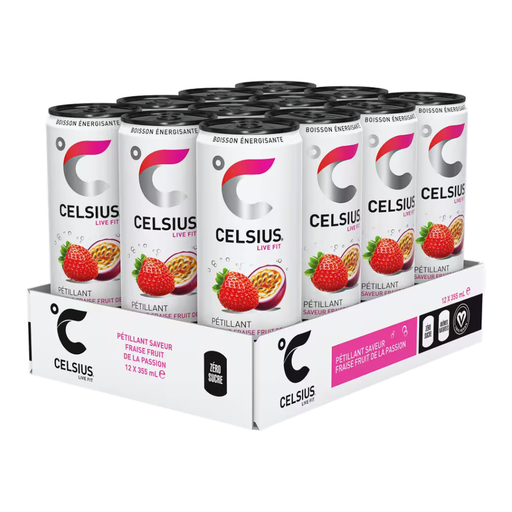
Perfect for an energy boost during the workday without impacting your calorie intake. Its 12-pack format allows you to stock up for the week.
This drink is formulated with zero sugar and contains only 3 kcal per 100 ml. A transparent option that avoids the hidden calorie trap.
Contains green tea and guarana extracts in addition to caffeine. Formula enriched with 7 vitamins.
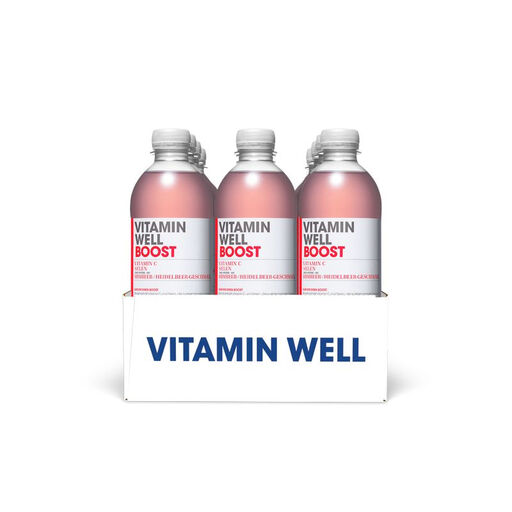
Designed as a functional vitamin drink, it is non-carbonated and low in calories. An interesting option for hydrating after sports while benefiting from an intake of vitamins and minerals.
It clearly positions itself as a vitamin drink, not a classic energy drink. Lightly sweetened with fructose (3.9 g/100 ml), it contains no caffeine.
Enriched with Vitamin C, zinc, and selenium to support the immune system. Its 50 cl format is very practical.
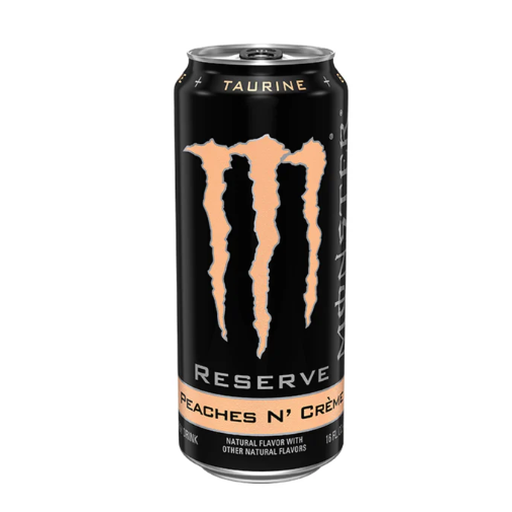
For those tired of classic tastes and looking for a different flavour experience. The Monster Energy Reserve line explores more sophisticated flavours, like this peaches and cream version.
Rather than masking a basic formula with an aroma, this drink owns its distinctive flavour profile, while clearly displaying its sugar content (5.9 g/100 ml).
A unique flavour that stands out from the competition. Contains Monster's classic energy blend with taurine, ginseng, and B vitamins.
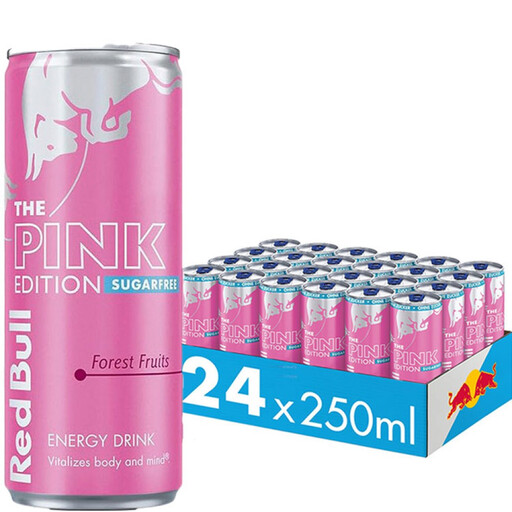
Buying an energy drink pack is the most budget-friendly solution for regular consumers. This 24-can format of Red Bull ensures you have a comfortable supply for long gaming or study sessions.
This edition is sugar-free and calorie-free, directly addressing the demand for a lighter option without sacrificing the taste or energising effect expected from the brand.
Combines the reliability of a renowned brand with a fruity flavour (wild berries). The 24-pack format offers a very attractive cost per can.
Browse our complete selection of products that meet our criteria and current regulations.
The main difference lies in their composition and purpose. A sports drink (or isotonic drink) is designed to rehydrate and compensate for the loss of electrolytes (mineral salts) and energy (carbohydrates) during prolonged physical exertion. An energy drink, on the other hand, primarily aims to provide a boost, improve alertness, and combat fatigue through stimulants like caffeine.
Yes, buying an energy drink pack is a common and often more economical practice. Most major brands like Red Bull or Monster Energy offer their products in packs of 12 or 24 cans. It's a convenient solution for stocking up and getting a better price per unit.
For an effective analysis, focus on three points: