
Same-day & Next-day Delivery

Quality Guaranteed

Unlock Your Welcome Offers: FREE Delivery | Up to 80% OFF | Free 30-day JoyPlus trial
Download the APP
Store shelves are overflowing with drinks that promise the world when it comes to hydration and vitality. The vitamin drink has carved out a prime spot for itself, often seen as a healthier alternative to sodas. But be warned: behind the flashy labels and energetic slogans often lie well-honed marketing traps. To make the right choice, it's crucial to know how to decipher what's really inside your bottle.
As the Head of Product Content at Joybuy, my mission is to help you see things more clearly. Here are the key points to check to make an informed choice that truly fits your needs and daily life.
The market for so-called "functional" drinks is booming, but not all bottles are created equal. Here are the two most common mistakes to avoid.
The key selling point of a vitamin water? Its nutrient content. The problem is that many of these drinks contain as much, if not more, sugar than a regular soda. Such a high dose of sugar not only negates the expected benefits but also unnecessarily adds to your calorie count. The golden rule: never trust the "vitamin-enriched" claim alone and always scan the ingredients list and nutritional facts.
Some drinks are marketed as an energy booster, but this boost comes almost exclusively from a high dose of sugar. The result is a short-lived energy spike followed by an equally sudden crash—the infamous "energy slump." A true functional energy drink owes its effectiveness to ingredients like B vitamins (which support energy metabolism), sometimes supplemented with a reasonable amount of caffeine, not just the effect of a sugar shot.
To navigate the jungle of vitamin drinks, focus on these three essential criteria.
This is the number one criterion. Take a look at the "Carbohydrates, of which sugars" line on the label. A drink is considered low in sugar if it contains less than 5g per 100ml.
Each formula targets a specific goal. Identify your needs to choose the composition that's right for you:
Directly linked to the amount of sugar, the calorie content is an excellent indicator. A low-calorie drink generally has around 20 kcal per 100ml. "Zero sugar" options have a calorie count close to zero, making them a perfect choice for hydrating without increasing your daily energy intake.
To help you find the drink that's right for you, here is our selection for different profiles and needs.
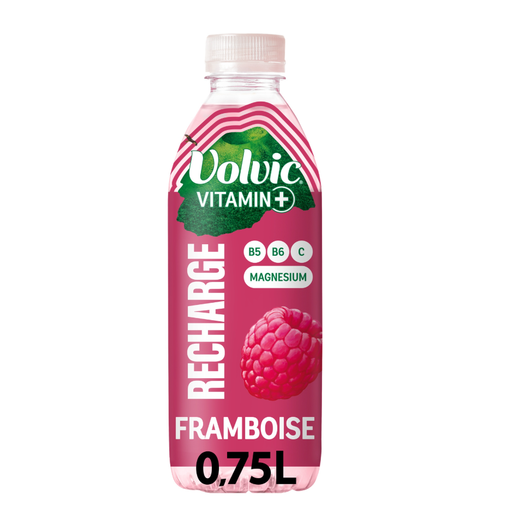
Why it's a great match: Ideal for enjoyable hydration throughout the day, with no sugar or calories. A simple and effective option to stock up on vitamins and minerals.
This drink is formulated without sugar and contains only one calorie per 100ml. It perfectly avoids the hidden sugar trap.
Enriched with magnesium and vitamins B5, B6, and C, it helps reduce fatigue. Its base: natural Volvic mineral water.
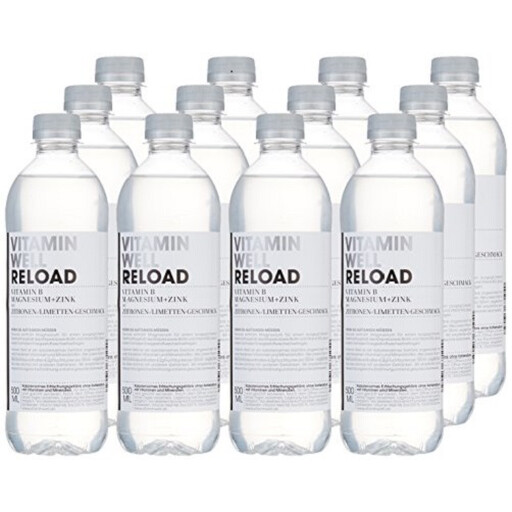
Why it's a great match: Designed for athletes, this drink aids in post-workout rehydration while providing key nutrients for metabolism and the immune system.
It contains a moderate dose of fructose (3.4g/100ml) for targeted energy delivery, without the excess of a soda.
Its formula, rich in vitamins B and D, as well as magnesium and zinc, is designed to optimise recovery. The pack format is ideal for regular consumption.
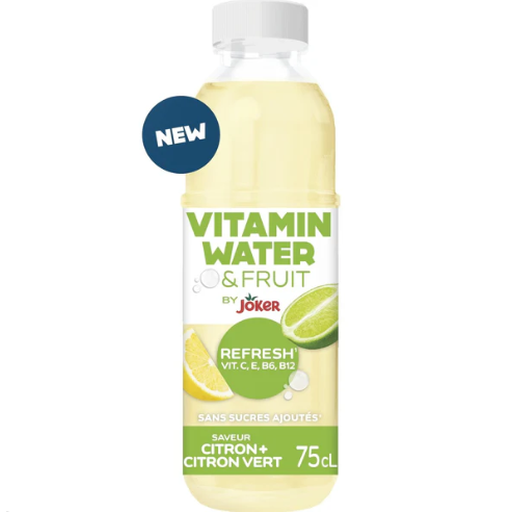
Why it's a great match: For those who want the pleasure of a fruity drink without the guilt. It combines the great taste of fruit with a vitamin boost, all with very few calories.
Transparency is key: the "no added sugars" claim is clear. The sugar present (2.9g/100ml) comes exclusively from the fruit.
Low in calories (13 kcal/100ml) and enriched with vitamins C, B6, B12, and folate (vitamin B9), which contribute to normal psychological function.
Discover our full selection of products that meet our selection criteria and current regulations.
A vitamin drink is primarily a hydration beverage, enriched with vitamins and minerals, and often low in calories. In contrast, a classic energy drink seeks an immediate stimulating effect, achieved through a high dose of caffeine and sugar. Hybrids do exist: some vitamin drinks, like the React range from Vitamin Well, include caffeine, but in more reasonable amounts and as part of a more comprehensive formula.
Yes, most vitamin drinks, especially the sugar-free and low-calorie versions, can be consumed daily as part of a healthy lifestyle. However, they should never replace a varied and balanced diet, which remains your best source of nutrients. If in doubt, always refer to the consumption advice on the packaging.
Almost. "Sugar-free" drinks use sweeteners that provide a sweet taste without the calories. For example, the Volvic Vitamin+ or Vitamin Well Zero ranges show about 1 kcal per 100ml, a completely negligible amount. It's therefore an excellent way to add variety to your hydration routine without adding to your daily calorie budget.