
当日/次日达

品质保障

开启新人专享福利: 全场免邮 | 低至 2 折 | 免费试用 30 天 JoyPlus 会员
下载 Joybuy
Trellis netting for climbing plants can transform a narrow vegetable garden, greenhouse or planter into a productive vertical growing space. However, you need to choose the right mesh and install it on a sufficiently sturdy structure. Netting that is too lightweight will deform under the weight of the fruit, while a poorly sized model will allow the stems to fall back to the ground.
Before placing your order, three mistakes are particularly common:
Polypropylene is very commonly used for vertical growing nets. Unlike metal, it does not rust and remains lightweight and easy to handle. For use in the garden or greenhouse, check the information regarding its resistance to UV rays, moisture, mould and products used in the vegetable garden.
The Tenax Flora nets featured here are made from plastic materials, mainly polypropylene according to the product specifications. Their extrusion manufacturing process and treatment in two directions are presented as features intended to strengthen the netting. This information describes the manufacturing process: it does not guarantee yields or harvests.
A reusable garden net should be removed without pulling on it harshly, cleared of plant debris, then stored in a dry, well-ventilated place. Avoid any contact with a flame or significant heat source.
For climbing beans, peas or cucumbers, a height of between 1.70 m and 2 m will generally allow you to guide the stems along a vertical structure. A length of 10 m is suitable for one growing row or several small areas, while a 20 m roll will be better suited to larger plots and greenhouses.
Before ordering, measure:
A cuttable model can be adapted to different layouts, but each end must then be securely attached.
An effective support for climbing plants must remain sufficiently taut to allow the stems to cling to it. Attach the net to posts, a fence, greenhouse framework or a rigid frame. Use fasteners suited to the material and distribute the fixing points evenly.
A wide, fine mesh generally makes it easier for stems to pass through and for you to harvest. It also encourages air and light to circulate around the foliage. This can make maintenance easier, but it does not guarantee faster growth or freedom from disease.
For a tomato net, a climbing bean net or a model intended for cucumbers and peas, also check that the netting will support the expected weight. Trellis netting is not a load-bearing structure and must never be used as a climbing frame.
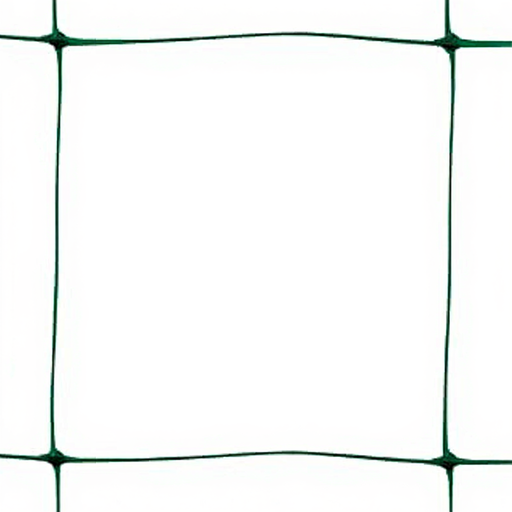
Why this choice suits this profile : Its 1.50 m × 10 m format is suitable for a small plot, raised bed or a few tomato and bean plants. With a stated weight of 0.1 kg, it can easily be installed by one person.
Its dimensions are clearly stated and the net can be attached to posts, a fence or a frame. However, take care not to over-tension it.
A compact format, discreet green colouring and an installation that does not require professional assembly according to the product specifications.
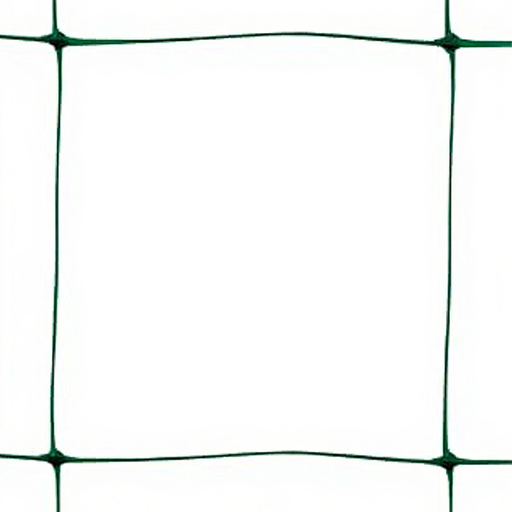
Why this choice suits this profile : Its 2 × 20 m dimensions provide generous coverage for a greenhouse, several vegetable rows or a vertical installation that is likely to expand.
Its generous length reduces the need for improvised joins, which can often lead to poor alignment or uneven tension.
An open mesh, plastic material described as resistant to outdoor conditions, and installation options both vertically and horizontally.
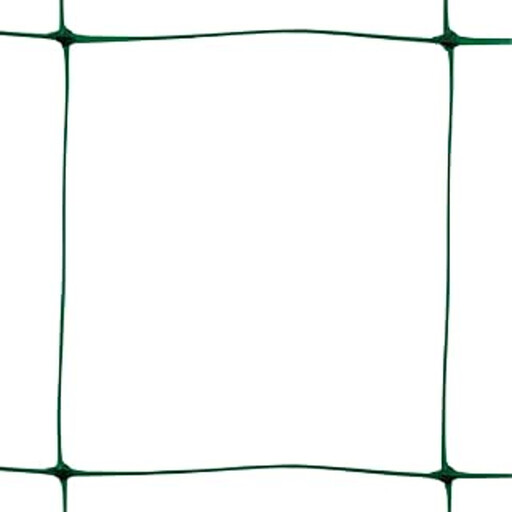
Why this choice suits this profile : Its 2 m height is suitable for taller-growing crops, rows of tomatoes, peas, cucumbers or flowering plants trained along a framework.
Available in a 2 × 10 m format, it can be installed vertically or horizontally. This reduces the risk of choosing netting that is unsuitable for your layout.
A practical height of 2 m, a roll that is easy to move and a material described as resistant to light.
We have put together a comprehensive, real-time updated list of products that fully meet these strict selection criteria and European safety regulations.
For a stable trellis system, follow these steps:
Wear gloves when installing the net to reduce the risk of scratches from the ends of the netting. Do not overload the structure and avoid allowing the net to sag over an area used for walking.
A height of 1.50 m to 1.70 m is suitable for many home-growing installations. For vigorous varieties, cucumbers or greenhouse crops, a 2 m net will provide more usable height. The right size mainly depends on the structure available and how you want to train the plants.
This depends on its exposure to sunlight, the tension applied, the weight of the crops and its storage conditions. Remove the stems without tearing the mesh, clear away any debris, then store the net in a dry place away from heat sources. Always follow the manufacturer’s recommendations.
Tension it between securely anchored posts, a fence or greenhouse framework. The fixing points should be close enough together to prevent the netting from sagging. When cucumbers become laden with fruit, check the fasteners regularly and reinforce the ends if necessary.