Joybuy Insights

Moisture Absorber Buying Guide: How to Choose the Right One

Condensation on the windows, a stubborn musty smell, small mould spots in the corners… These signs are unmistakable: your home is too humid. To fix this, a moisture absorber is a simple and affordable solution. But be careful—the market is flooded with products making tempting promises, and it's easy to make the wrong choice. To avoid a useless or even counterproductive purchase, here are the pitfalls to avoid.

The 3 mistakes to avoid when buying a moisture absorber:

  1. The "one-size-fits-all" trap: Thinking a small sachet can treat a large, damp room is an illusion. It's as ineffective as installing a powerhouse unit in a small cupboard. The area to be treated is the number one criterion; ignoring it is like throwing money down the drain.
  2. Confusing a temporary fix with a long-term solution: A chemical absorber is perfect for temporary or localised humidity. However, for a constantly damp cellar or laundry room, only an electric dehumidifier will be up to the task. Choosing the wrong technology is a recipe for disappointment.
  3. Underestimating running costs and limitations: Forgetting the recurring cost of refills for a chemical model, or ignoring the noise and electricity consumption of a dehumidifier… These practical "details" are essential and can quickly turn a good idea into a daily hassle.

The Essential Criteria for Choosing Your Moisture Absorber

To avoid being fooled by marketing claims, focus on objective criteria. Here are the key points to check to find the device that truly meets your needs.

Absorption Capacity and Room Size: The Essential Pairing

Don't confuse the size of the device with its effectiveness. The main criterion is the coverage area (in m?) for which the product is designed.

  • Small spaces (1-5 m?): For a cupboard, closet, car, or drawer, a moisture absorber sachet is often sufficient.
  • Living areas (10-20 m?): A bedroom, living room, or kitchen requires a chemical absorber with a medium-sized collection tank.
  • Large volumes or severe humidity (> 20 m?): For a cellar, basement, or an entire very humid house, an electric dehumidifier becomes essential, with its capacity measured in litres per day (L/day).

Chemical Absorber or Electric Dehumidifier: Which Technology for Which Need?

This is the central point of your choice. Each technology has its strengths and weaknesses, suited to specific situations.

  • The chemical moisture absorber: It works using hygroscopic salts (usually calcium chloride) in the form of tabs, crystals, or granules. These salts capture moisture from the air and turn it into a liquid brine, which is collected in a tank.

    • Advantages: Completely silent, no electricity consumption, low purchase cost, ideal as a stopgap solution against condensation.
    • Disadvantages: Limited effectiveness in small to medium-sized rooms, requires regular purchase of refills, does not solve structural damp issues (leaks, rising damp).
  • The electric dehumidifier: It draws in the air from the room, cools it via a compressor or a Peltier module to condense the water it contains, and then releases drier air.

    • Advantages: Incredibly effective in large spaces and with high humidity levels. Its extraction capacity is far beyond that of chemical models. Some devices also act as an air purifier by filtering dust.
    • Disadvantages: Consumes electricity, generates background noise (more or less depending on the model), higher purchase cost.

Features That Make a Difference

Beyond the technology, certain options can really make your life easier:

  • Refill/Full Tank Indicator: Essential for knowing when to change the refill or empty the tank without having to check every day.
  • Anti-Spill System: A crucial safety feature, especially with children or pets, to prevent spilling the corrosive brine.
  • Anti-Odour Action: Some refills are enriched with agents that neutralise musty and stale smells, providing a dual benefit.
  • Laundry Drying Mode: A very practical function on electric models to dry your clothes faster in winter, without turning the room into a tropical jungle.
  • Continuous Drainage: Available on electric devices, this option allows you to connect the unit to a drain with a hose. Ideal for continuous use in a cellar or basement, without worrying about emptying the tank.

Our Recommended Moisture Absorbers

To help you make your choice, here is our selection of products that meet specific needs, in line with the criteria we've just discussed.
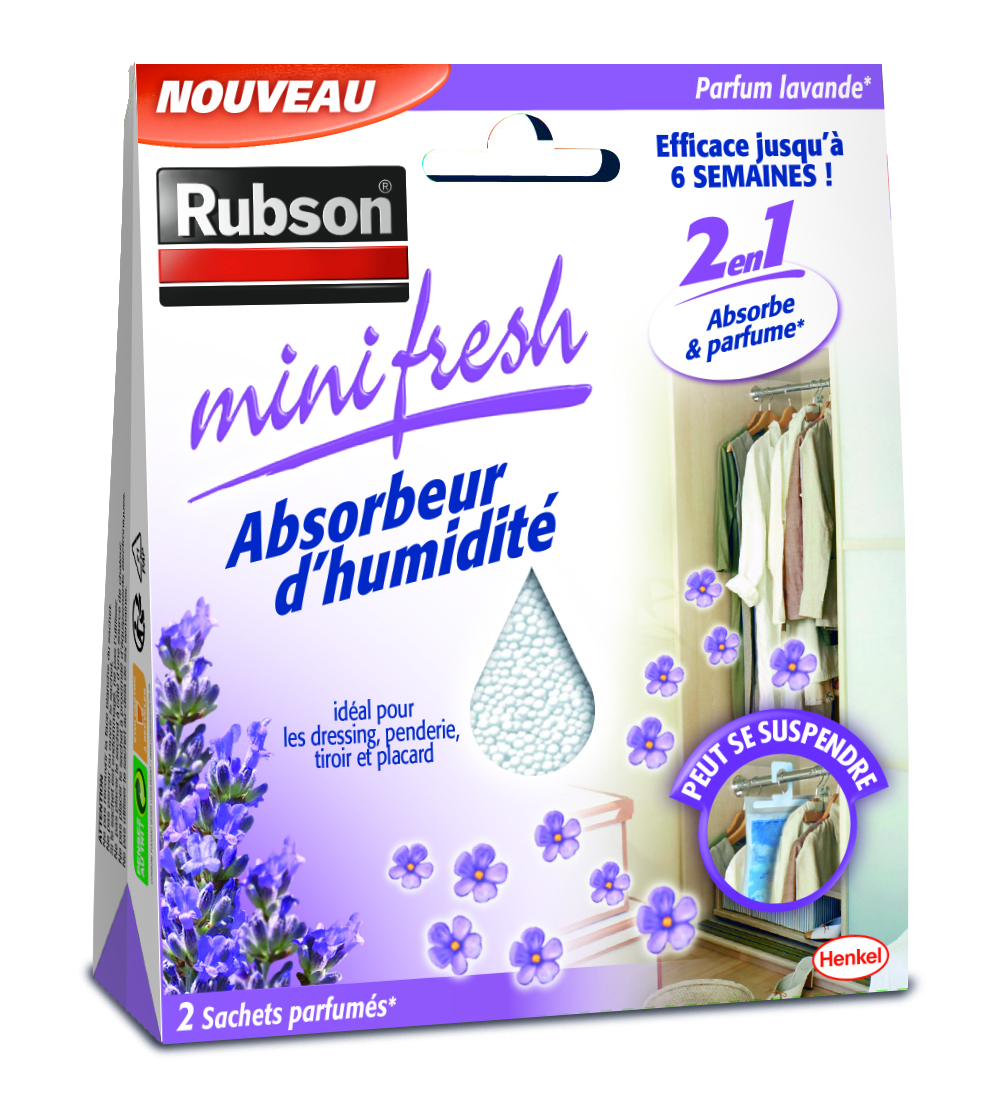
IDEAL FOR: SMALL SPACES (WARDROBE, CLOSET)
Henkel Rubson | Minifresh Moisture Absorber Lavender Scent (2 x 50 g Sachets)

Henkel Rubson | Minifresh Moisture Absorber Lavender Scent (2 x 50 g Sachets)

Why we chose it: It's the perfect solution for confined spaces (wardrobes, closets, cars) where humidity stagnates and musty odours develop. It protects clothes and shoes without taking up any space.

How it avoids the pitfall:

This sachet is calibrated for very small volumes (1 to 2 m?), where a larger device would be useless. Its technology, which turns moisture into a gel, is a real plus: no risk of leaks on your belongings.

Its key strength:

Discreet, autonomous, and dual-action (absorber + deodoriser). It can be placed or hung thanks to its small hook. Very practical.
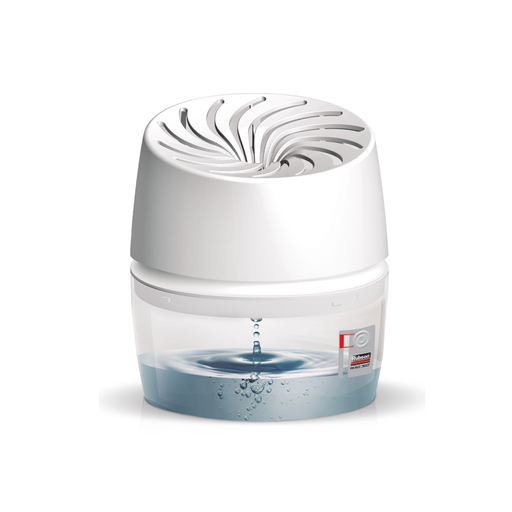
IDEAL FOR: LIVING AREAS (UP TO 20 M?)
Rubson – Aero 360° Compact Moisture Absorber

Rubson – Aero 360° Compact Moisture Absorber

Why we chose it: This is the classic choice for living areas (bedrooms, living rooms) where window condensation is a recurring problem. Its completely silent operation and zero electricity consumption make it a discreet daily ally.

How it avoids the pitfall:

It strikes the right balance: powerful enough for a medium-sized room (up to 20 m?), but completely passive. Unlike an electric model, there's no noise or soaring electricity bill.

Its key strength:

Its 360° air circulation technology optimises the refill's efficiency. Its rather stylish design and level indicator are real everyday advantages.
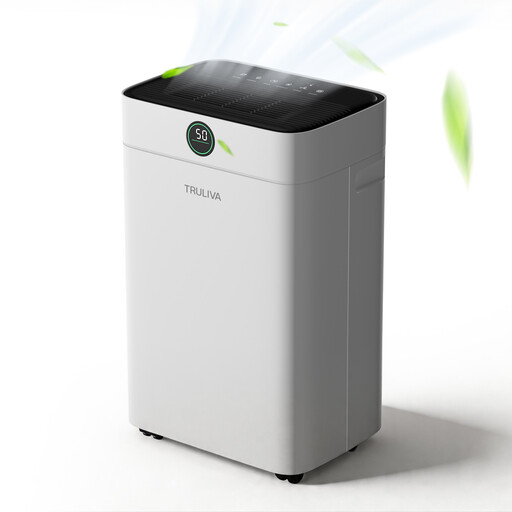
IDEAL FOR: SEVERE HUMIDITY (CELLAR, LAUNDRY ROOM)
TRULIVA 25L/Day Dehumidifier with Laundry Drying

TRULIVA 25L/Day Dehumidifier with Laundry Drying

Why we chose it: Here, we're bringing out the heavy artillery. This is essential for combating strong, persistent humidity in a cellar, basement, or laundry room. Its extraction capacity and laundry drying function make it a powerhouse device.

How it avoids the pitfall:

It tackles the problem at its source, where a simple chemical absorber would be a drop in the ocean. This is a true cellar dehumidifier. The continuous drainage option makes it autonomous, so you no longer need to empty the tank.

Its key strength:

Its extraction power (up to 25L/day), its dedicated laundry drying mode, and the continuous drainage for total peace of mind.

Want to explore other options?

Discover our full selection of products that meet our selection criteria and current safety standards.

Frequently Asked Questions about Moisture Absorbers

How long does a chemical absorber refill last?

It all depends on its size and the ambient humidity level. As a rule of thumb, a standard 450 g refill lasts about 2 to 3 months in a 20 m? room with normal humidity. In a bathroom, expect it to last about half that time.

Chemical absorber or electric dehumidifier: which one to choose?

The choice depends on the scale of your humidity problem:

  • Chemical absorber: Ideal for light to moderate humidity, temporary condensation, or small spaces (cupboards, wardrobes, small bedrooms). Its main advantage: it's silent and inexpensive to buy.
  • Electric dehumidifier: Essential for strong, persistent humidity, large areas (cellar, basement, laundry room), or for intensive uses like drying laundry. The initial investment and electricity consumption are higher, but its effectiveness is unparalleled.

Where should I place my moisture absorber for maximum effectiveness?

For optimal efficiency, place your device on a flat, stable surface. Leave at least 10 to 15 cm of free space all around it to allow for good air circulation. Above all, do not place it against a wall, hide it behind furniture, or put it near heat sources (radiators, etc.), as this would impair its performance.