
Livraison le jour même ou le lendemain

Qualité garantie

Débloquez vos offres de bienvenue: Livraison GRATUITE | Jusqu'à -80 % | 30 jours d'essai gratuits à JoyPlus
Téléchargez l'application
Adding greenery to your patio, balcony, or garden is a project as joyful as it is trendy. For this, the large self-watering planter stands out as the ideal solution: a lush green corner with minimal maintenance. But be warned, the market is flooded with models making tempting promises that often disappoint in practice. To avoid buyer's remorse, it's best to know the pitfalls to avoid and the criteria that truly matter.
Here are the warning signs to look out for to ensure you don't regret your purchase:
To choose an outdoor planter that will deliver on its promises long-term, focus on these few technical specifications, which are far more reliable than marketing claims.
The longevity of your planter depends primarily on its construction. Injection-moulded polypropylene models offer an excellent balance of lightness and robustness. For outdoor use, it is imperative to check that the material is UV-treated to prevent discolouration and brittleness in the sun.
The wall design is just as crucial. A double-walled pot creates an insulating layer of air. This feature protects the root system from thermal shock: intense heat in summer and frost in winter. This is a considerable advantage for the health of your plants and an almost essential condition for a balcony planter to be truly frost-resistant.
A well-designed water reservoir will save you precious time by reducing watering frequency. A high-performance system generally consists of:
This mechanism allows the roots to draw the water they need through capillary action, without ever being drowned.
A 100 cm planter or an anthracite grey wall planter can be used to structure a space, but its internal volume must be suitable for the type of plants you plan to grow. The only true indicator is the volume in litres (L) specified by the manufacturer. A large volume of soil retains moisture better and provides more nutrients, which is vital for shrubs or dense floral arrangements.
To move from theory to practice, here are a few models that tick all the right boxes, each meeting a specific need.
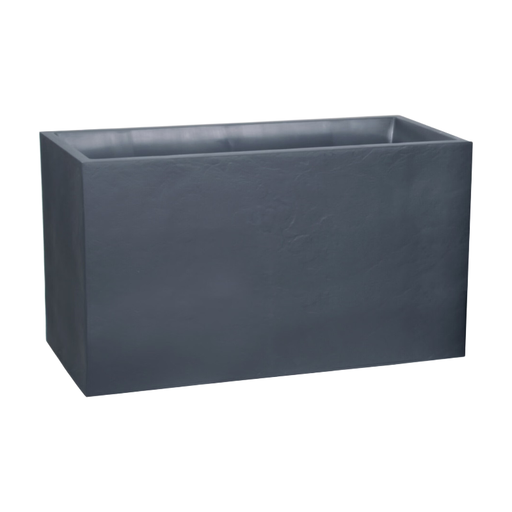
Why we chose it: With its low-wall shape and very generous 116-litre volume, this model is perfect for defining spaces, creating a green partition, or housing shrubs. Its contemporary stone-effect design integrates seamlessly into modern layouts.
Its double wall provides genuine thermal insulation against frost and heat, far beyond a simple marketing claim. The advertised volume accurately reflects the real planting volume.
Very large volume (116 L) and a modular design that allows it to be combined with other elements from the same range. The bonus: the French Origin Guaranteed certification.
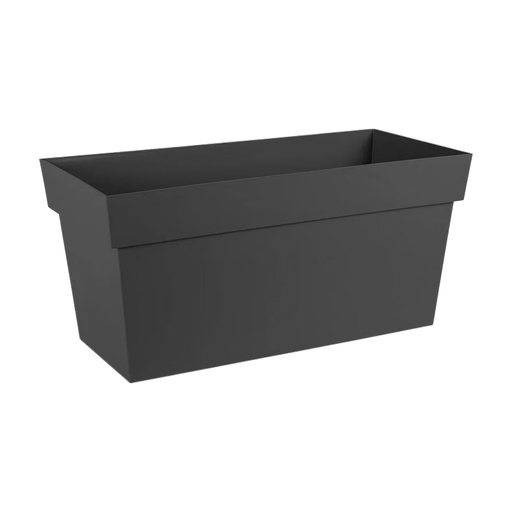
Why we chose it: This planter on wheels is an incredibly practical solution for balconies and patios. It allows you to move a heavy planting effortlessly to clean the floor or reorganise your space. Its 74 L volume is comfortable for beautiful arrangements.
It solves the weight problem of large planters, which is often a barrier to adoption. The water reservoir is functional, featuring a filter grid to optimise hydration without saturating the soil.
Its mobility, thanks to the integrated wheels, is its key feature. UV-treated and frost-resistant material.
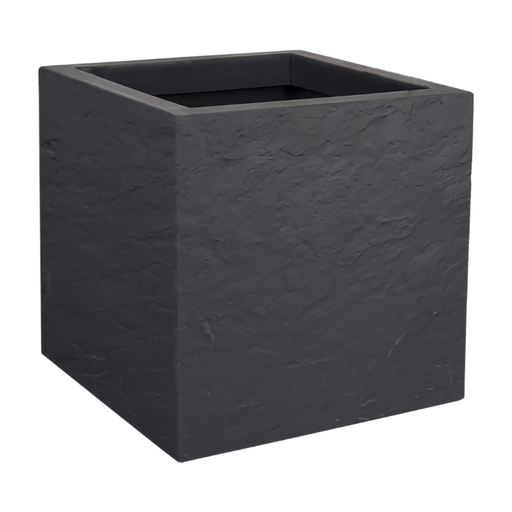
Why we chose it: This 21 L square pot is an excellent entry point. It offers the benefits of a designer outdoor planter with its stone look and a water retention system, all in a compact format and at a very accessible price point.
It includes a simple but functional water retention system, avoiding the trap of low-end pots that lack any smart features. Its trompe-l'?il design gives the illusion of a more expensive double wall.
Excellent value for its price and features. The French Origin Guaranteed certification is a real bonus in this price range.
Explore our full selection of planters that combine design, durability, and smart features to enhance your outdoor space.
The system works through capillary action: the soil at the bottom of the pot, in contact with water via wicks or openings, becomes moist and transfers this moisture upwards. For outdoor use, it is imperative to drill the holes indicated as the "overflow". This allows excess rainwater to drain away and prevents the roots from drowning. For indoor use, do not drill these holes.
Yes, provided the material is high-quality (thick, treated polypropylene) and the drainage is perfect. Waterlogged soil that freezes will expand and can crack any container, even the most robust one. Ensure the overflow is properly drilled and, if possible, slightly raise the planter to allow water to drain freely. A double wall will offer decisive extra protection.
Yes, and it's far from a gimmick. In summer, it limits soil overheating and evaporation, keeping the roots cool. In winter, it creates a thermal buffer that protects the roots from frost. It is a very worthwhile investment for the health and resilience of your plants, especially for perennials you want to keep from one year to the next.