
Same-day & Next-day Delivery

Quality Guaranteed

Unlock Your Welcome Offers: FREE Delivery | Up to 80% OFF | Free 30-day JoyPlus trial
Download the APP
Designing an outdoor area, whether it's a balcony, a terrace, or a corner of your garden, transforms your exterior into a true outdoor living space. The low wall planter is the go-to solution for structuring these areas, creating a plant-based partition, or simply adding a touch of green. Be careful, however, as not all models are created equal, and a poor choice can quickly lead to disappointment.
Before you invest, here are the three common pitfalls to avoid so you don't compromise your landscaping project?:
To help you make an informed choice, we've broken down the features that truly make a difference.
To avoid disappointment, focus on a few key technical points. These are the real guarantees of your future planter's quality and longevity.
This is the number one criterion for outdoor use. Forget entry-level plastics that become brittle at the first sign of cold. Opt for materials designed to last.
A beautiful planter is good. A planter where plants can thrive is better. For that, the internal volume is far more crucial than the external dimensions.
Far from being mere gadgets, technical innovations meet real-world needs and genuinely simplify your daily life.
To guide you, here are models that tick all the boxes for durability and practicality, while meeting different needs.
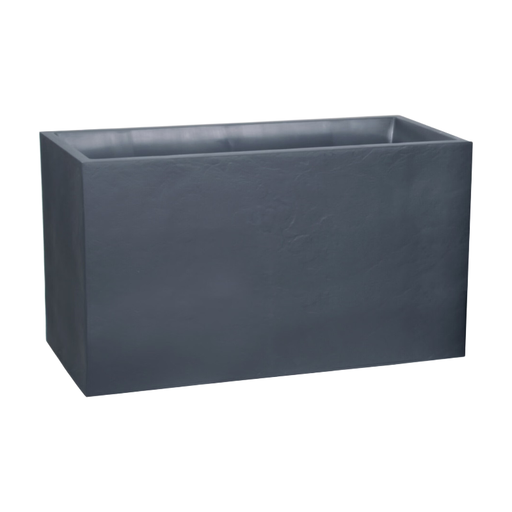
The Profile : Perfect for those who want to create a true plant partition on a large terrace. Its XXL volume of 116 L and its length of nearly one metre allow for planting shrubs and elegantly structuring the space thanks to its stone-effect finish.
Its polypropylene double-wall design is UV and frost-treated, guaranteeing its durability. Its usable volume of 116 litres is optimised for its size. The integrated water reservoir makes maintenance much easier.
Its very large capacity for ambitious plantings and its quality manufacturing, certified as Certified French Origin.
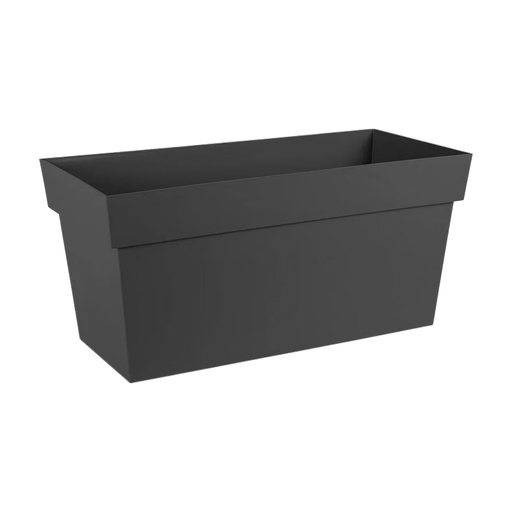
The Profile : The smart choice for those who love to reorganise their space. Its integrated wheels allow you to move the planter effortlessly to clean the terrace, follow the sun's path, or simply change the scenery.
Its plastic is treated to be UV and frost-resistant. The 74 L volume is well-proportioned. The water reservoir with a filter grid and pouring spout makes watering simple and effective.
The mobility offered by the integrated wheels, combined with a smart watering system and French manufacturing.
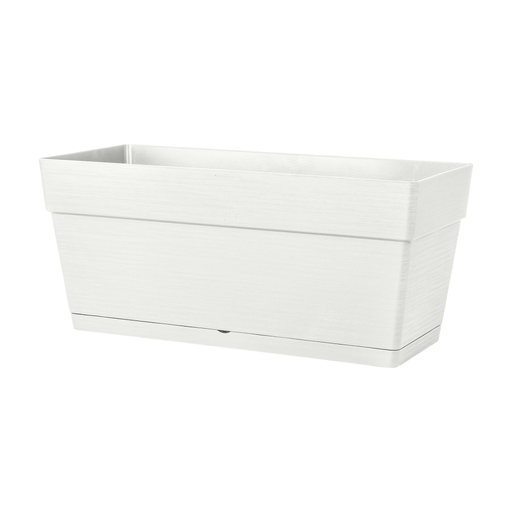
The Profile : For those who refuse to choose between modern aesthetics and ecological awareness. Made from recycled and 100% recyclable materials, it offers a sleek design that fits into any decor, both indoors and out.
The material is explicitly designed to be frost and UV-resistant, a guarantee of durability. Its design is functional, and the presence of a water reservoir ensures simplified maintenance.
A sustainable approach with recycled and recyclable materials, without compromising on weather resistance and functionality.
We have put together a complete selection of products that meet our strict quality criteria for a flawless outdoor setup.
It all depends on the quality of the plastic. An untreated, entry-level model will barely last one or two seasons. Conversely, a high-quality polypropylene planter with certified UV-protection and frost resistance can easily last over 10 years while retaining its appearance and strength. Products with the Certified French Origin label are often a good indicator of high manufacturing standards.
The system is as simple as it is ingenious. At the bottom of the container, a reservoir collects excess water during watering. A grid separates this reservoir from the soil, preventing the roots from sitting in water and rotting. The plants then draw the stored water as needed through capillary action. For outdoor use, make sure the planter has an overflow hole to drain excess rainwater and prevent root asphyxiation.
Yes, it's essential for outdoor use. Most quality models come "pre-drilled" or have indicated areas where you can easily drill holes. This allows excess rainwater to escape and protects the roots from rot. For indoor use, holes are not mandatory if you have mastered watering, but it is then highly recommended to place a layer of clay pebbles at the bottom of the pot, under the soil, to improve drainage.