
Livraison le jour même ou le lendemain

Qualité garantie

Débloquez vos offres de bienvenue: Livraison GRATUITE | Jusqu'à -80 % | 30 jours d'essai gratuits à JoyPlus
Téléchargez l'application
A balcony, terrace or small patio can easily accommodate flowers, herbs and even climbing vegetables, provided you choose the right equipment. Balcony planters and climbing plant trellises shouldn't be chosen solely on colour or price, though.
Certain details can turn a practical purchase into a daily hassle. Here are the main pitfalls to avoid before choosing a balcony flower box, a planter with a water reservoir or a support for climbing plants.
A planter with a water reservoir can space out your watering sessions, but it doesn't mean you can forget about it entirely. The water level, drainage and soil moisture still need to be checked regularly, especially during hot spells.
Check that there's a retention area clearly separated from the substrate, a drainage system and, if possible, easy access for refilling the reservoir. A filter grid can also help prevent debris from building up in the tank.
A large planter lets you grow more, but its weight quickly adds up once it's filled with damp compost and water. Before buying, measure the available length, the usable depth and the width of your walkways.
For a large 74 L planter, also make sure the floor is stable and that the weight is suitable for your chosen spot. On a balcony, be careful not to block any drainage outlets and leave enough room for maintenance.
Tomatoes, cucumbers, peas and beans can put considerable pressure on their support. A simple decorative net risks stretching, tearing or becoming difficult to secure as the plants grow.
Examine the material, the mesh size, the stated strength and the installation system. A climbing plant net must be fixed to sufficiently sturdy stakes or posts, not directly onto a lightweight railing without checking first.
The volume determines how much substrate is available for the roots. Flowers and herbs can generally manage with a compact container, whereas certain vegetables or mixed plantings need more depth.
Always check:
A planter on castors makes it easier to move for cleaning, rearranging or protecting your plants. However, the castors must be lockable or sturdy enough to prevent any unwanted movement.
An integrated reservoir can be handy during short absences or when daily watering isn't possible. It doesn't replace checking the condition of the substrate, as needs vary depending on exposure, season and the species planted.
A double-wall design can create a separate retention zone and help regulate moisture more effectively. Remember to drain any excess when necessary and clean the reservoir to limit the build-up of deposits.
For a permanent installation, choose a material that's stated as resistant to UV and frost. This refers to the material's durability: it doesn't mean the planter can withstand all extreme conditions without any maintenance.
Polypropylene supports, like some growing nets, have the advantage of not rusting. It's still best to store them in a dry place after the season, remove plant debris and check the fixing points before each reuse.
The options below cater to different needs: small decorative planting, a more generous layout or vertical vegetable growing.
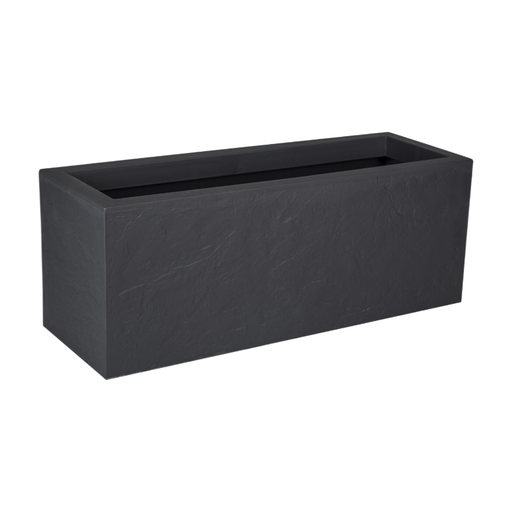
Why this choice suits this profile: Its size of 59 × 19.5 × 22.8 cm is ideal for balconies where depth is limited. Its water retention zone and 25 L capacity let you start with flowers or herbs without installing a large planter.
The double wall and retention zone are described separately from the substrate. However, you still need to monitor the water level and regularly drain any excess.
25 L capacity, anthracite stone-effect finish and double-wall construction.
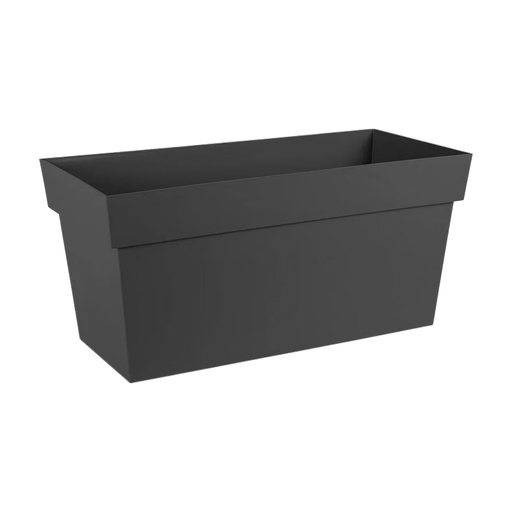
Why this choice suits this profile: This 74 L anthracite planter is ideal for a more generous planting arrangement on a terrace, patio or sufficiently spacious balcony. Its castors mean you can move it without lifting once it's in place.
The system includes a water reservoir, filter grid, filling spout and drainage. The surface must remain level and stable, as the weight increases when filled.
74 L, castors, stated UV and frost resistance, French manufacture with recyclable materials and a 7-year commercial guarantee.
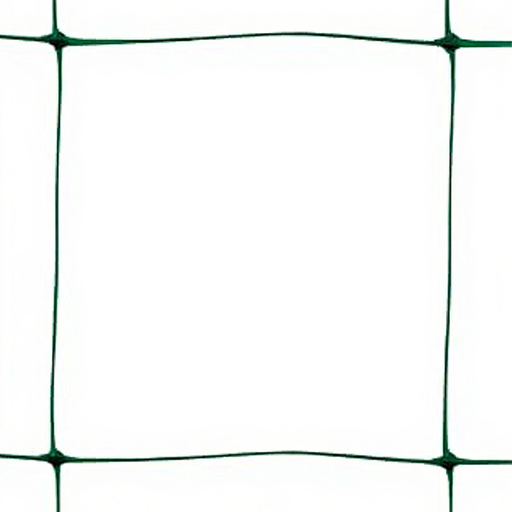
Why this choice suits this profile: This green trellis measuring 2 × 20 m is ideal for urban vegetable gardens and repeated crops of tomatoes, cucumbers, peas or beans. It can be installed vertically or horizontally between supports.
Polypropylene doesn't rust and the manufacturer states resistance to tearing, mould, bacteria, chemicals and sunlight. However, fixings must be suitable for the crop.
2 × 20 m format, wide and fine mesh, reusable after cleaning and dry storage.
We've put together a comprehensive, real-time updated list of products that fully meet these demanding selection criteria and European safety regulations.
For a long-lasting installation, follow these steps:
A tomato and cucumber net should be adjusted as the plants grow. For a vegetable garden trellis, also allow sufficient height and an orientation that promotes air circulation.
Start by measuring the available depth. A 25 L model, like the Volcania Up planter, can work well for flowers and herbs in a small space. For a 74 L planter, check the width, weight and stability before installing it.
It can space out some waterings, but it all depends on the weather, exposure, container volume and plants. The reservoir needs to be checked and cleaned regularly. It shouldn't be seen as a completely self-sufficient system.
Remove stems and debris after harvesting, clean the net according to the manufacturer's instructions, then store it in a dry place. Also check the fixing points before reinstalling it for a new crop.