
Livraison le jour même ou le lendemain

Qualité garantie

Débloquez vos offres de bienvenue: Livraison GRATUITE | Jusqu'à -80 % | 30 jours d'essai gratuits à JoyPlus
Téléchargez l'application
A hair conditioner should not be chosen solely for its fragrance or the promise displayed on the bottle. Between “repairing” formulas, professional treatments, silicone-free products and options designed for colour-treated hair, it is easy to choose a product that is not truly suited to your hair fibre.
The goal is simple: make detangling easier, improve softness and address a specific need without weighing the hair down. Here are the key criteria to consider before choosing a detangling hair treatment, along with a selection of products available from Joybuy.
A conditioner can temporarily smooth the hair’s surface with conditioning agents, oils or silicones. Lengths may then appear shinier and become easier to style. This does not mean that split ends have been permanently repaired.
If your hair is damaged, choose a formula that works coherently with the rest of your routine. Hydrolysed proteins, amino acids, moisturising agents and oils do not all address the same needs. Once a split end has formed, no cosmetic product can permanently fuse it back together.
A moisturising or nourishing conditioner can work wonders on dry, thick or curly hair. Conversely, an overly rich texture may flatten fine hair and leave it feeling heavy.
The amount you use matters just as much as the ingredients. For fine hair, apply the treatment only to the lengths and ends. For thick or very dry hair, you can use a slightly more generous amount and leave it on for a few minutes.
A natural formula is not automatically suitable for every hair type. Similarly, the absence of silicones does not guarantee better results for everyone. Silicones can improve slip and reduce friction during styling, while a silicone-free conditioner may appeal to those seeking a lighter feel or following a specific hair-care routine.
Take the time to read the INCI list. Also check for fragrance or allergens if your scalp is prone to irritation.
Claims such as “sulphate-free”, “silicone-free”, “vegan” or “naturally derived” should be verified in the product description and ingredients list. They describe a characteristic of the formula, but do not guarantee identical results for everyone.
The Moroccanoil Hydrating Conditioner 250 ml, for example, is presented as sulphate- and phosphate-free. Its formula includes argan oil, vitamins A and E, as well as red algae extract. The product is described as suitable for colour-treated hair and appropriate for daily use.
A 400 or 450 ml bottle is practical for regular use. A 200 to 250 ml format is easier to carry or test. Follow the leave-in time stated on the label: some treatments require just one to two minutes, while colour-refreshing products may need around three minutes.
Apply conditioner to towel-dried hair, focusing mainly on the lengths and ends. Rinse thoroughly and avoid contact with the eyes.
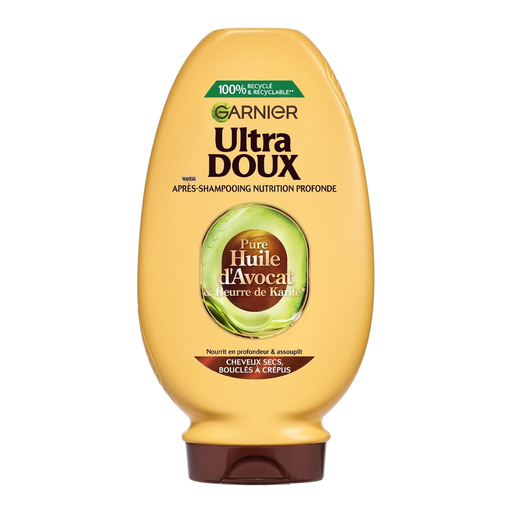
Why it suits this profile: a formula designed for dry, curly to coily hair, enriched with avocado oil and shea butter.
The formula focuses on nourishment and detangling rather than making a vague promise of permanent repair.
Avocado oil, shea butter and targeted application to the lengths and ends.
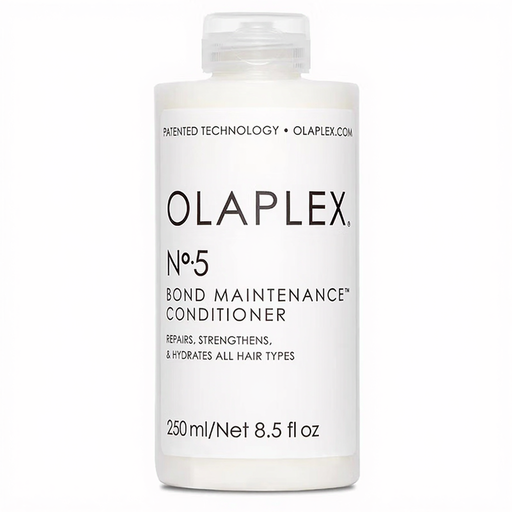
Why it suits this profile: a concentrated treatment suitable for normal, bleached or colour-treated hair, with a vegan, paraben-free formula.
Its product description highlights detangling, hydration and colour protection without presenting it as a medical treatment.
Panthenol, glycerine, plant oils and a leave-in time of between one and three minutes.
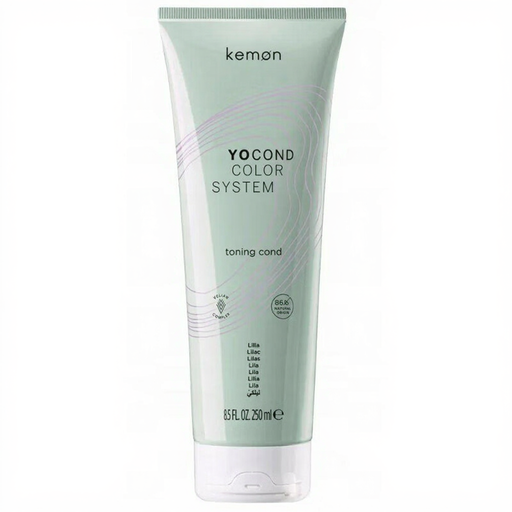
Why it suits this profile: this colour-depositing treatment is designed for those who want to maintain lilac or pastel highlights at home.
The leave-in time is clearly stated: three minutes, or up to ten minutes for a more intense pastel result.
Acidic pH, a stated 86% naturally derived ingredients and easy rinsing according to the product description.
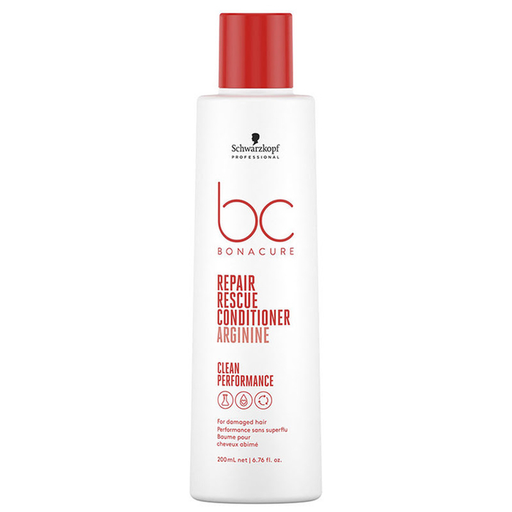
Why it suits this profile: a suitable option for porous, fragile or brittle hair, particularly after chemical treatments or repeated use of heated styling tools.
The formula is described as vegan and silicone-free, with a two-minute leave-in time to make frequent use easier.
Shea butter, soy and wheat amino acids, polylysine peptide and a 200 ml format.
We have brought together an updated selection of treatments that meet these selection criteria and the safety requirements applicable in the European Union.
If your hair is fine, avoid the roots. For curly or very dry hair, distribute the treatment with your fingers or a wide-tooth comb, without pulling on the strands.
Yes, provided the formula suits your hair type and the product is rinsed out thoroughly. Fine hair will generally benefit from a light application, while dry or curly hair may require a more nourishing treatment.
A repairing conditioner is generally designed for frequent use, with a short leave-in time. A mask is often richer and should be left on for longer. You can alternate between the two depending on the condition of your lengths.
No. An anti-split-end treatment can temporarily smooth the appearance of the ends and make styling easier, but only cutting can remove an established split end. To help prevent them from forming, reduce friction, use heat protection and detangle your hair gradually.