
Livraison le jour même ou le lendemain

Qualité garantie

Débloquez vos offres de bienvenue: Livraison GRATUITE | Jusqu'à -80 % | 30 jours d'essai gratuits à JoyPlus
Téléchargez l'application
Tangled hair, dry ends, curls that lose their definition or colour that fades too quickly: a poorly chosen conditioner can make these problems worse instead of fixing them. The format, price and scent alone aren't enough to make a smart choice.
Here are the main pitfalls to avoid and the criteria to examine before buying a conditioner that's truly suited to your routine.
A nourishing conditioner usually contains plant oils or butters. A hydrating treatment relies more on humectants, such as glycerine. A very rich formula can weigh down fine hair, while a product that's too light may leave dry or curly hair feeling rough.
The right choice depends on your hair's porosity, thickness and the condition of your lengths – not just the "intense nourishment" claim on the bottle.
Phrases like "deep repair", "anti-split ends" or "strengthened hair" mainly describe the benefit the brand claims. They don't mean that damaged hair fibres will be permanently rebuilt.
A reparative treatment can make hair softer, more supple and easier to style by coating the fibre. However, very split ends often need a trim.
A silicone-free formula isn't automatically better for all hair types. Silicones can help with detangling and reduce friction. As for sulphate-free formulas, these mainly concern cleansing products like shampoo, not necessarily conditioner.
Also check for declared perfume and allergens, especially if your scalp or skin reacts easily. Conditioner is generally applied to the lengths and ends, avoiding the roots.
A rinse-out treatment works in a few minutes. Product descriptions often recommend a leave-in time of 1 to 3 minutes, while a protein treatment may need longer. The CP-1 Premium Hair Protein Treatment, for instance, suggests a leave-in time of 10 to 20 minutes, used weekly or as needed.
There's no need to use half the bottle: a large amount doesn't guarantee better results. Distribute the product on towel-dried hair from mid-lengths to ends, then rinse thoroughly.
Compare the bottle volume and the amount needed per wash. A 450 ml format can be good value for a family or long hair, while a 50 or 75 ml bottle is handy for testing a formula or travelling.
Hair oils should also be used sparingly: a small amount on the ends can complement a conditioner's action, but applying too much may leave a greasy finish.
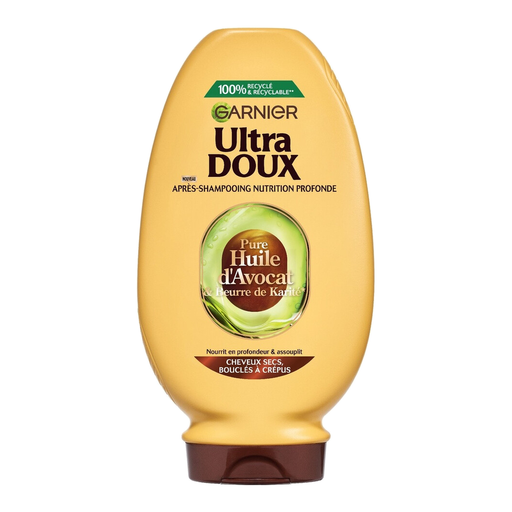
Why this choice suits this profile: Designed for dry, curly to coily hair, this formula offers a simple entry point for starting a daily routine, with an accessible format that's easy to incorporate.
Avocado oil and shea butter meet the need for nourishment without forcing you to stockpile products from the start.
Detangles, makes styling easier and comes in a 250 ml bottle. The formula contains declared perfume allergens.
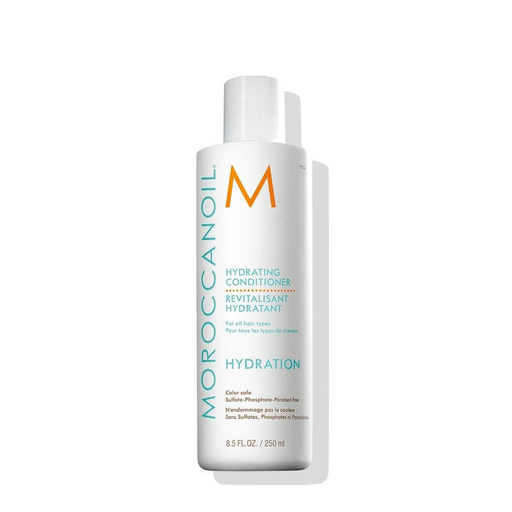
Why this choice suits this profile: This formula is aimed at those who want to combine hydration, a supple feel and regular use, especially on dull or coloured hair.
The product description mentions a sulphate-free and phosphate-free formula and states it can be used on treated hair, without promising permanent fibre transformation.
Argan oil, vitamins A and E as stated, 1 to 2 minute leave-in time and compatibility with coloured hair.
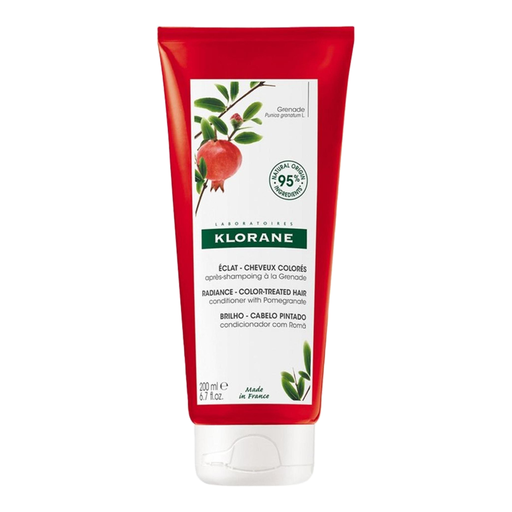
Why this choice suits this profile: It's aimed at people who regularly maintain a colour and want a targeted treatment, silicone-free and made with a majority of naturally derived ingredients.
Its use for coloured hair is clearly stated. This stops you from settling for a universal product when preserving your colour is the priority.
95% naturally derived ingredients as stated, acidic pH and pomegranate extract. The 200 ml format is suitable for targeted use.
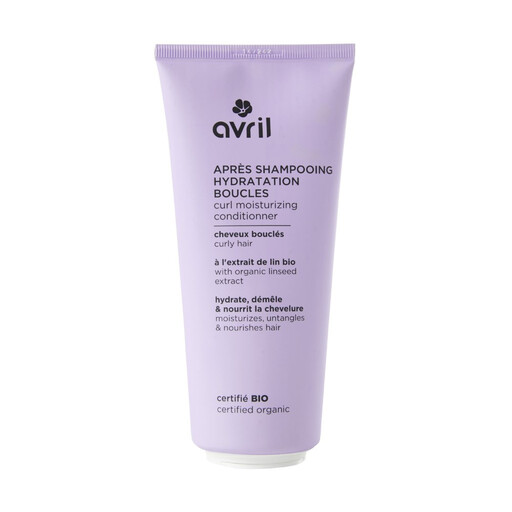
Why this choice suits this profile: People with wavy, curly or textured hair can turn to this vegan, certified organic and silicone-free formula, designed to make detangling easier.
The "curly hair" label and short leave-in time are clearly stated, which reduces the risk of using a product that's too rich or poorly suited.
99% naturally derived ingredients as stated, including 10% from organic farming, Cosmos Organic certification and organic linseed oil.
We've put together a comprehensive, real-time updated list of products that meet these strict selection criteria and the requirements of European safety regulations.
Gently squeeze out your hair before applying to stop the product from sliding off with the water. To make detangling easier, use your fingers or a wide-tooth comb, starting at the ends.
Keep the bottle closed, away from heat and direct light. Follow the date and instructions on the packaging. If irritation occurs, stop using it immediately and rinse thoroughly. Hair products are for external use only: avoid contact with the eyes.
Yes, as long as the formula suits your hair type and is applied only to the lengths and ends. Fine hair may, however, need a smaller amount or application every other wash.
Conditioner is generally designed to work quickly after shampooing. A hair mask often has a richer texture and needs a longer leave-in time. It can be used once or twice a week, depending on your hair's condition.
It all depends on your preferences and how your hair reacts. Silicone-free formulas can suit those following a particular routine, while the absence of sulphates mainly concerns cleansing products. Always check the full ingredients list and choose the formula that genuinely meets your needs.