
Livraison le jour même ou le lendemain

Qualité garantie

Débloquez vos offres de bienvenue: Livraison GRATUITE | Jusqu'à -80 % | 30 jours d'essai gratuits à JoyPlus
Téléchargez l'application
Rough-feeling hair, split ends, frizz or difficult detangling: a conditioner for dry, damaged hair can make your routine much more enjoyable, provided you choose a formula that suits your hair. Your needs will vary depending on whether your hair is fine, curly, coloured, bleached or very long.
Before comparing prices and the claims on the bottles, take a moment to look out for some of the most common pitfalls.
For dehydrated lengths, look for ingredients such as glycerin, panthenol or aloe vera, which are commonly used in hydrating haircare. If your hair feels dry and rough, oils, butters and fatty alcohols can provide extra slip and comfort.
A repairing or anti-breakage conditioner may contain hydrolysed proteins, amino acids or film-forming agents. These ingredients can temporarily improve the look of your hair and help it withstand styling, but they are not a medical treatment.
Silicones such as dimethicone or amodimethicone can leave hair feeling softer and easier to style. If you’re looking for a silicone-free conditioner, check the full ingredient list: a claim on the front of the bottle doesn’t always tell the whole story.
The right choice mainly comes down to your preferences and routine. A silicone-free formula may suit you if you prefer a lighter feel. Film-forming agents, on the other hand, can help reduce friction when brushing.
Generally, apply conditioner to the lengths and ends, avoiding the scalp if it gets greasy quickly. A leave-on time of one to three minutes is common, but always follow the directions on the label.
A concentrated professional conditioner may not be used in the same way as a product intended for everyday use. When comparing options, consider the volume, type of dispenser and amount you’ll need each time, rather than looking at the bottle price alone.
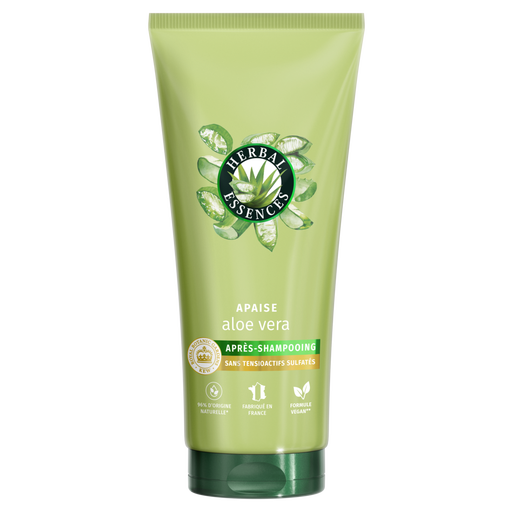
Why it suits this profile : its 200 ml size lets you try a hydrating conditioner without committing to a large bottle. According to the manufacturer’s directions, you can use the formula after rinsing or apply a small amount without rinsing.
The option to use it in two ways lets you adjust the amount to suit your dry hair and helps reduce the risk of weighing it down.
Aloe vera listed in the formula, a compact 200 ml size and a texture designed for dry hair.
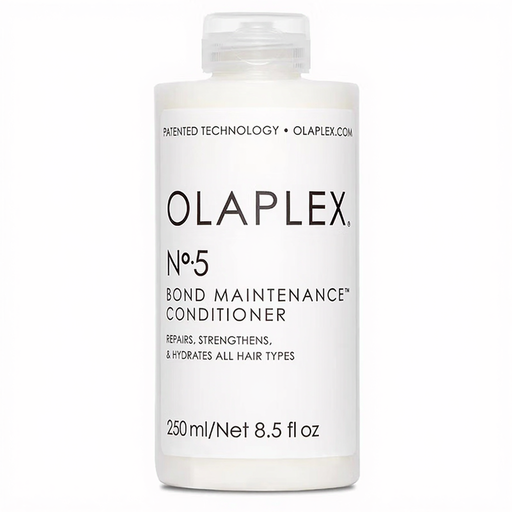
Why it suits this profile : its concentrated formula and 250 ml size suit a routine for hair that’s coloured, bleached or weakened by frequent use of heated styling tools.
Check the ingredient list for glycerin, panthenol and conditioning agents, rather than relying on a repair claim alone.
Formula with panthenol and glycerin, designed to hydrate, detangle and make styling easier.
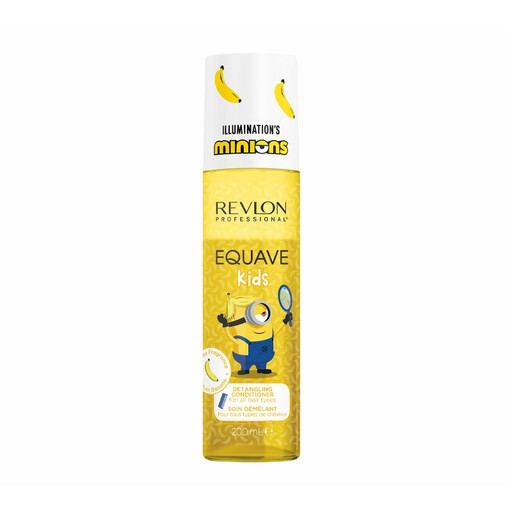
Why it suits this profile : this two-phase leave-in treatment is made for children aged 3 and over. It can be applied to dry or damp hair, making everyday styling easier.
The minimum age, no-rinse instructions and advice not to spray towards the eyes are clearly stated.
200 ml size, no-rinse application and a two-phase formula designed to detangle children’s hair.
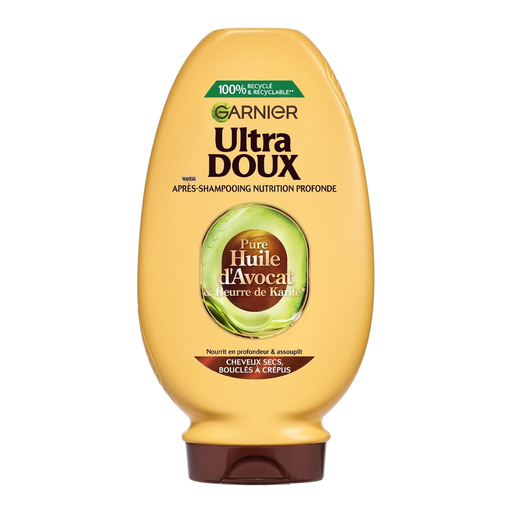
Why it suits this profile : avocado oil and shea butter come together in a formula for dry, curly or coily hair that needs extra slip to make styling easier without tugging.
The directions clearly recommend applying it to the lengths and ends, helping you avoid the roots and reducing the risk of weighing hair down.
Avocado oil, shea butter, detangling benefits and a 250 ml size.
We’ve put together a comprehensive, regularly updated selection of products that meet these exacting criteria and European safety standards.
Look for a formula with detangling agents, humectants such as glycerin or panthenol, and conditioning oils suited to your hair texture. Fine hair will benefit from a lightweight texture, while thick, curly or coily hair may need a more nourishing formula.
Yes, if your lengths are dry or difficult to detangle. Applying conditioner each time you wash can improve slip and reduce friction. Simply use less if your roots get greasy quickly or your hair loses volume easily.
Follow the period-after-opening symbol and the recommendations on the packaging. Close the bottle properly, avoid leaving it somewhere very warm, and stop using the product if its smell, texture or appearance changes noticeably.