
Livraison le jour même ou le lendemain

Qualité garantie

Débloquez vos offres de bienvenue: Livraison GRATUITE | Jusqu'à -80 % | 30 jours d'essai gratuits à JoyPlus
Téléchargez l'application
Long, dry, coloured or hard-to-manage hair: a detangling conditioner can make your routine much simpler, provided you choose a formula suited to your needs. Too light, and it will leave knots in place; too rich, and it risks weighing down the roots and making hair look greasy more quickly.
Before you fill your basket, here are the common mistakes to avoid, the criteria to check, and a selection of treatments suited to different hair profiles in the UK.
The term "repairing" doesn't mean a product can permanently restore damaged hair fibres. A detangling treatment mainly works by improving slip between strands, softness and ease of styling. Split ends may feel smoother, but they aren't actually sealed back together.
For fragile hair, look instead for conditioning agents, oils, proteins or amino acids, depending on the texture and level of nourishment you're after.
An organic formula may suit your personal preferences, but it won't automatically work for every hair type. Similarly, being silicone-free doesn't guarantee better detangling or a less effective result: it all depends on the formula as a whole, the amount you apply and the leave-in time.
Read the INCI list and look for a clearly displayed certification, such as COSMOS ORGANIC, if this is important to you.
A 200ml tube is handy for testing a formula or travelling, but it can run out quickly on long, thick hair. On the other hand, a one-litre bottle takes up more space in the shower and requires careful measuring to avoid waste.
A 2-in-1 detangling shampoo can be a handy option for the whole family, but it won't necessarily replace a dedicated conditioner for very dry, coloured or sensitised hair.
Formulas containing agents such as cetearyl alcohol, behentrimonium chloride or certain plant-derived ingredients can improve feel and make detangling easier. Despite what their name might suggest, these aren't drying alcohols in the usual sense: they're often used to give the treatment consistency and softness.
For a conditioner aimed at dry hair, go for a creamy texture enriched with glycerin, oils or butters. Fine hair will generally prefer a lightweight formula, applied only to the mid-lengths and ends.
An organic certification should be clearly identifiable on the packaging, not just hinted at with words like "pure", "green" or "natural". Also check the volume, country of manufacture, usage precautions and whether there's any fragrance or allergens that must be declared.
For a vegan formula, look for an explicit mention. Claims like "paraben-free", "mineral oil-free" or "silicone-free" describe one aspect of the formula: they don't, on their own, guarantee a specific result.
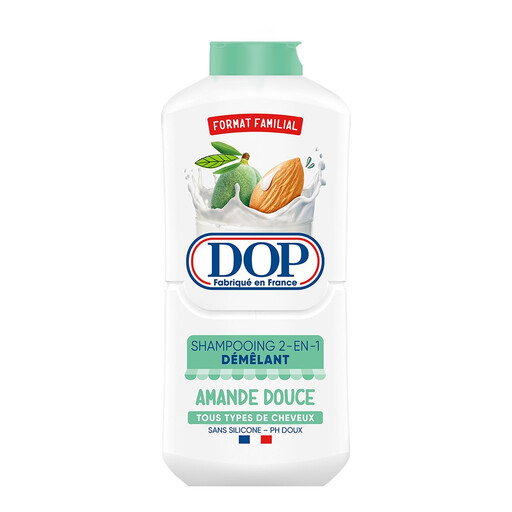
Why this choice suits this profile: Its 500ml size is ideal for a family routine and combines washing and detangling in one step.
Its large size means fewer replacements. The formula is said to be silicone-free and has a gentle pH.
Sweet almond extract, made in France, recyclable bottle and family-size 500ml format.
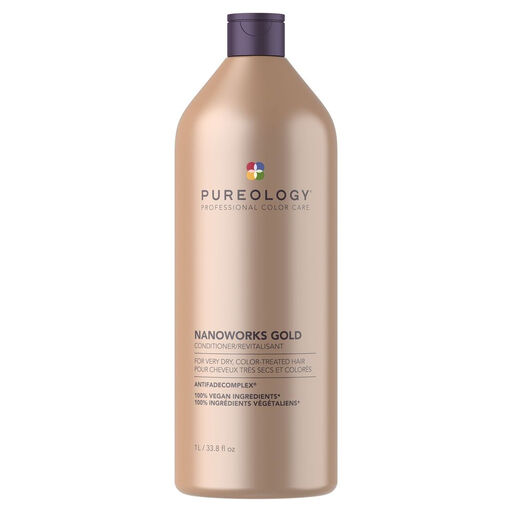
Why this choice suits this profile: Its one-litre size and rich formula target very dry, coloured hair or hair that needs regular care.
The large size means you won't run out quickly. Applying it only to the lengths also helps avoid weighing down the roots.
Formula said to be vegan, sulphate-free and paraben-free, enriched with marula oil, shea butter and plant proteins.
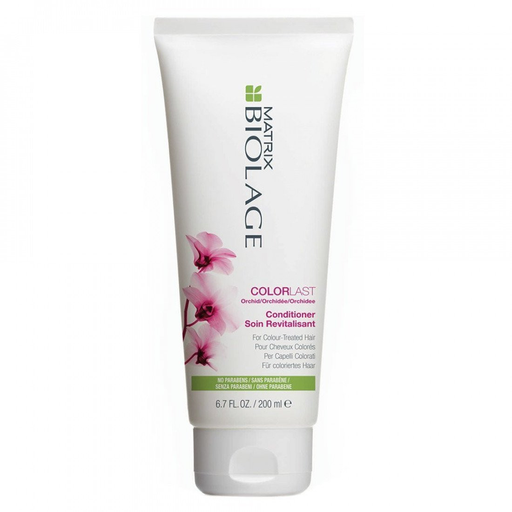
Why this choice suits this profile: This treatment is designed for coloured hair and is applied after shampooing, with a recommended leave-in time of 1 to 3 minutes.
The "coloured hair" claim is clearly displayed, so you won't end up with a universal treatment that's less suited to this purpose.
Orchid extract in the formula, said to have a low pH and be paraben-free, in a 200ml tube.
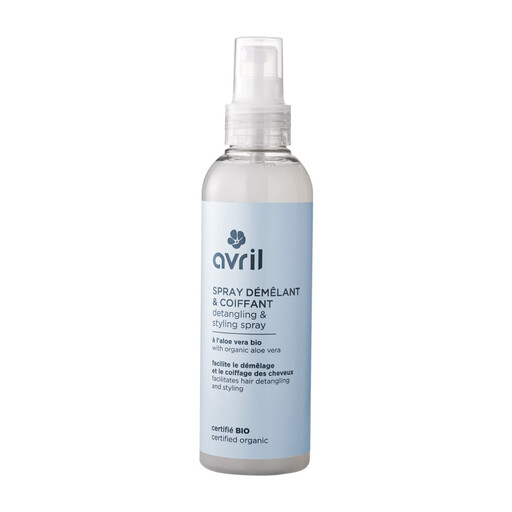
Why this choice suits this profile: This spray is for those who want to refresh their style on dry or damp hair, without adding a rinse-out step.
The instructions clearly state it's used without rinsing: it complements a wash-out treatment without pretending to be a classic conditioner.
COSMOS ORGANIC certification, vegan formula, made in France and can be used on dry or damp hair.
We've put together a comprehensive, real-time updated list of products that meet these demanding selection criteria and European safety regulations.
Using more product won't necessarily make your hair softer. Start with a blob the size of a hazelnut, then adjust according to your hair's length and thickness.
Yes, if the formula and the amount you use suit your hair. Dry, long or curly hair can certainly benefit from regular use. Fine hair is better off with a small amount, applied only to the ends.
A conditioner is usually applied after shampooing and then rinsed out. It adds softness and suppleness during your washing routine. A leave-in detangling spray is used on damp or dry hair to make styling easier between washes or after a shower.
Follow the period after opening indicated on the packaging and store the bottle away from heat and sunlight. If the smell, colour or texture changes, it's best not to use the product any more. For a professional treatment or a large size, note the opening date so you can easily keep track of how long it's been in use.