
Livraison le jour même ou le lendemain

Qualité garantie

Débloquez vos offres de bienvenue: Livraison GRATUITE | Jusqu'à -80 % | 30 jours d'essai gratuits à JoyPlus
Téléchargez l'application
A conditioner shouldn't be chosen just for its scent or marketing promise. A formula that's too rich can weigh down fine hair, while a treatment that's too light will leave lengths dry and difficult to detangle. To buy wisely, it's best to match the ingredients, format and how you use it to your actual needs.
Dry hair often lacks suppleness and comfort, but not all dry hair has the same needs. A nourishing conditioner, enriched with oils or butters, will generally suit thick, curly or very dry hair better. A hydrating formula, containing ingredients like glycerin or other humectants, may be more suitable for dull hair that lacks flexibility.
Used every wash on fine hair, a very rich treatment can, however, leave a heavy feeling and cause a loss of volume.
No cosmetic product can permanently mend split ends. Some treatments coat the hair fibre, make styling easier and help reduce mechanical breakage. Claims like 'anti-split ends', 'reconstruction' or 'repair' should therefore be taken with a pinch of salt.
Hydrolysed proteins, fatty substances and silicones can temporarily improve the feel and appearance of your hair. The result, however, depends on your hair's starting condition and how consistently you use the treatments.
These claims relate to formulation preferences, but they don't guarantee that a conditioner will suit every head of hair. A silicone-free treatment might be sought for its lighter feel or as part of a specific hair care routine. Conversely, silicones can help with detangling and reduce friction during styling.
Also remember to check the INCI list, the possible presence of fragrant allergens and the usage instructions on the packaging. 'Vegan' means the product contains no animal-derived ingredients, according to the brand's commitment. As for the 'organic' claim, it must be backed by an identifiable certification, such as Cosmos Organic.
A conditioner is mainly applied to the lengths and ends, and rarely to the scalp. To help you find your way quickly:
Fatty alcohols, such as cetearyl alcohol or stearyl alcohol, shouldn't be confused with volatile alcohols that can dry out the fibre. Cationic agents, like behentrimonium chloride or cetrimonium chloride, are commonly used in detangling treatments.
Hydrolysed proteins — from wheat, corn, soya, keratin or silk — can boost the feeling of strength. If your hair becomes stiff after several uses, space out this type of treatment and switch back to a formula focused more on hydration.
A 450 ml bottle with a pump can be handy for family or daily use. A 50 ml format is better for trying a product, travelling or using it occasionally. Stick to the leave-on time stated on the packaging: a few minutes for a detangling conditioner, longer for certain targeted treatments.
Here is our selection of formulas suited to different profiles.
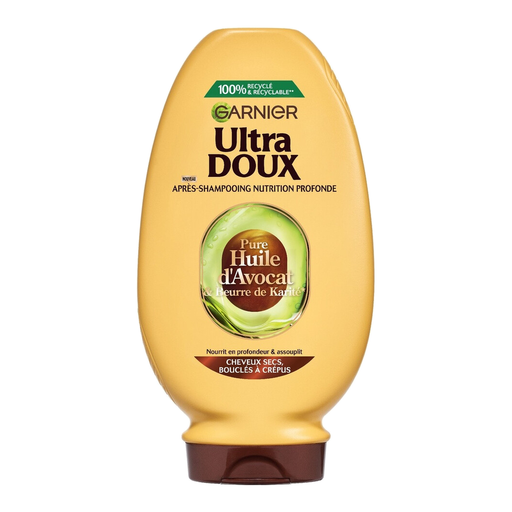
Why this choice suits this profile: Its formula with avocado oil and shea butter targets dry, curly to very curly hair, with simple application after every shampoo.
Its positioning for dry and curly hair stops you from choosing a universal formula that's too light for lengths needing more nourishment.
Avocado oils and shea butter in a 250 ml format, with a detangling action claimed by the brand.
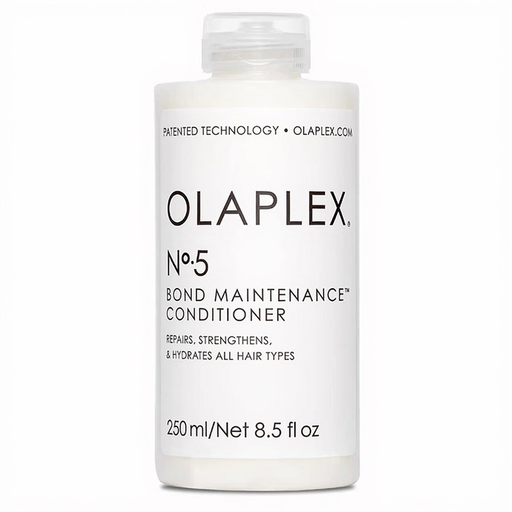
Why this choice suits this profile: Its concentrated texture and use on coloured, bleached or natural hair fits well into a targeted care routine.
The INCI list lets you check for the presence of glycerin, panthenol and conditioning agents, rather than relying on a simple repair promise.
A vegan formula according to the product sheet, with claimed colour protection and a leave-on time of 1 to 3 minutes.
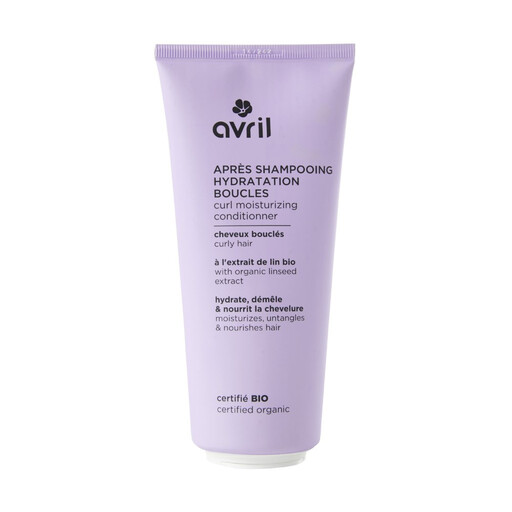
Why this choice suits this profile: It's designed for wavy, curly and textured hair looking for a silicone-free formula with a clearly identified organic certification.
The formula claims 99% naturally derived ingredients, 10% from organic farming and the Cosmos Organic certification by Ecocert Greenlife.
Organic linseed oil, a vegan and silicone-free formula, in a 200 ml format made in France.
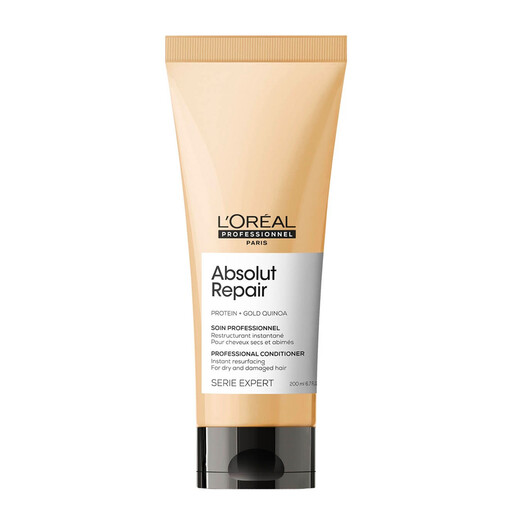
Why this choice suits this profile: This treatment for very damaged hair combines golden quinoa, a protein complex and smoothing agents in a 200 ml format.
The presence of a protein complex can be verified in the INCI list. The claimed results from the brand should, however, be considered as manufacturer claims.
A targeted treatment for very damaged hair, with hydrolysed wheat proteins and conditioning agents designed to make styling easier.
We've put together a comprehensive list, updated in real time, of products that meet these strict selection criteria and European safety regulations.
After shampooing, gently squeeze out the excess water from your hair, then distribute a hazelnut-sized amount of product through the lengths and ends. If needed, use a wide-tooth comb without pulling at tangles. Leave the treatment on for the time stated on the label, then rinse thoroughly. There's no need to use too much: an excessive amount won't boost effectiveness and could weigh your hair down.
Yes, as long as you choose a formula suited to your hair type and limit application to the lengths. Fine hair may sometimes prefer less frequent use or a smaller amount. Dry, curly or coloured hair can generally receive a detangling treatment with every wash, as long as you watch out for any feeling of overload.
It depends on the size, your hair length and how often you wash. A 200 to 250 ml bottle can last several weeks, while a 450 ml format is better suited to a regular or family routine. Check the symbol indicating how long to use the product after opening, and stop using it if you experience any irritation.