
Livraison le jour même ou le lendemain

Qualité garantie

Débloquez vos offres de bienvenue: Livraison GRATUITE | Jusqu'à -80 % | 30 jours d'essai gratuits à JoyPlus
Téléchargez l'application
Choosing a conditioner can quickly become overwhelming. Faced with shelves full of promises like "?intense repair?" or "?mirror-like shine?", it's easy to feel lost and walk away with a product that weighs your hair down or, worse, fails to deliver. This guide is here to bring you clarity, helping you navigate marketing traps and focus on what truly matters for your hair's health.
Before making your choice, it's helpful to know the common pitfalls that often lead to a disappointing purchase:
To select the perfect detangling treatment for you, focus on a few objective criteria.
This is the essential first step. Your needs will differ depending on whether you have:
Without needing a chemistry degree, recognising a few ingredient families will help you make an informed choice:
To show how these criteria apply in practice, here are a few recommended options, each tailored to a specific user profile.
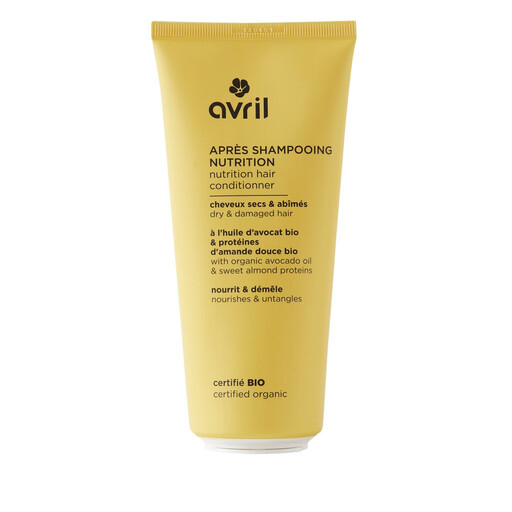
Why we chose it: Perfect for those who prefer certified organic formulas made in France. It targets dry and damaged hair with natural-origin ingredients, without compromising on detangling performance.
This treatment sidesteps the trap of ineffective "silicone-free" formulas. It uses organic avocado oil and sweet almond proteins to nourish and coat the hair fibre without weighing it down, ensuring easy detangling and a silky texture.
Cosmos Organic certification, a vegan formula, and 99% natural-origin ingredients. A transparent choice for a healthier hair care routine.
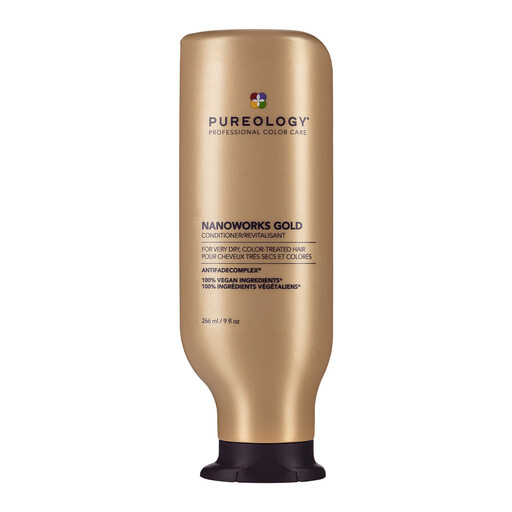
Why we chose it: Designed for very dry, dull, or coarse colour-treated hair. This professional-grade formula aims to restore softness and shine while protecting the investment of your hair colour.
Moving beyond vague promises, it relies on the patented Antifade Complex. It doesn't just "repair"; it actively protects colour vibrancy and intensely nourishes with golden marula oil.
A targeted dual action: colour protection and deep hydration for the most demanding hair. Its formula is also vegan.
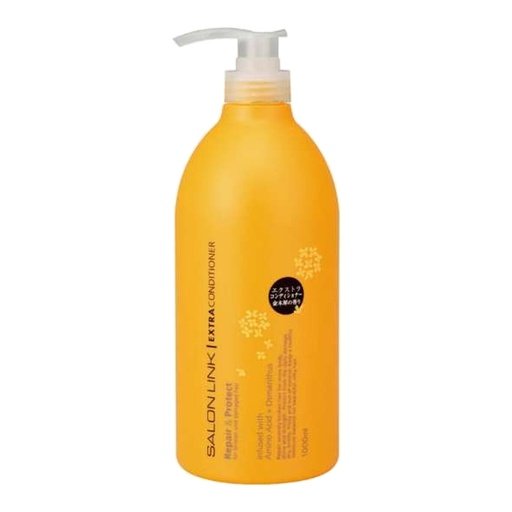
Why we chose it: Its generous 1000 ml size offers a professional-quality treatment for severely damaged hair. It's a budget-friendly option for family use or for those with long hair who need frequent conditioning.
It solves the hydration vs. nutrition dilemma by combining both: sodium hyaluronate for moisture, and shea butter, honey, and hydrolysed silk for nourishment and surface repair.
Excellent value for its size. Its formula contains a ceramide-like ingredient to reinforce the hair's moisture barrier.
We have curated a complete, up-to-date list of products that meet these strict selection criteria and current regulations.
The main difference lies in the concentration of active ingredients and the leave-in time. A conditioner is a daily treatment left on for 1 to 3 minutes, primarily intended to detangle, smooth the hair cuticles, and prep hair for styling. A mask is a deeper, more concentrated treatment, left on for longer (5 to 20 minutes) and used once or twice a week for more intense repair or nourishment.
As a general rule, no. The roots are the youngest, healthiest part of your hair and already benefit from the scalp's natural sebum. Applying conditioner to the roots can weigh hair down, make it get greasy faster, and reduce volume. It is recommended to apply it only to the lengths and ends, which are the driest and most sensitised areas.
The leave-in time varies by product, but for a standard conditioner, 2 to 3 minutes is enough for the surface agents to work and make detangling easier. Leaving it on longer won't necessarily provide more benefits, unlike a mask designed for deeper penetration. Always follow the directions on the product's packaging.