
Livraison le jour même ou le lendemain

Qualité garantie

Débloquez vos offres de bienvenue: Livraison GRATUITE | Jusqu'à -80 % | 30 jours d'essai gratuits à JoyPlus
Téléchargez l'application
Investing in glass food storage containers is a smart move for both your health and the planet. Healthier and more durable than plastic, they preserve the true taste of your food without the risk of harmful chemicals leaching in. The problem? The market is flooded with options, all with tempting claims, making it easy to end up with containers that don't stand the test of time. To avoid disappointment, it's crucial to know the most common pitfalls before you buy.
As editorial experts, our mission is to help you navigate the options. Let's break down the key points to watch out for to ensure a successful purchase.
The dream of a perfectly organised kitchen can quickly turn sour when you're faced with disappointing equipment. Here are the most frequent let-downs:
A good glass food container should be a daily ally, not a source of frustration.
To make sure you're making a sustainable investment, here are the technical features on which you should never compromise.
Not all glass is created equal—far from it. The main distinction is between two types:
Checking this technical detail is the first step toward a versatile and safe purchase for your glass food storage.
The seal of an airtight glass jar depends entirely on the quality of its lid. Pay attention to two elements:
A good glass food container set should fit intelligently into your kitchen. Consider the shape (square or rectangular to optimise space in cupboards and the fridge) and whether the containers are stackable (with or without their lids) for truly compact storage.
To help you see how these criteria translate in practice, here are a few products suited for specific needs.
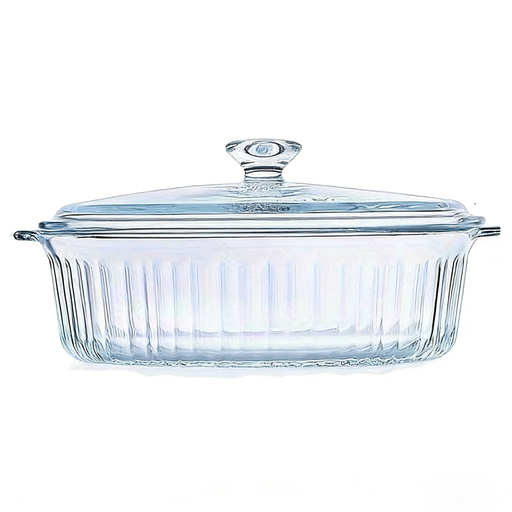
Why we chose it: This set is designed for those who prep their meals for the week ahead. These dishes go directly from the oven to the table, then to the fridge, before being reheated. A real time-saver and less washing up.
Its "oven-safe dish" design implies excellent heat tolerance, which eliminates the risk of cracking from thermal shock. It's a true baking dish first and a simple storage container second.
Cook-store-serve versatility. The set format ensures visual harmony and optimised storage.
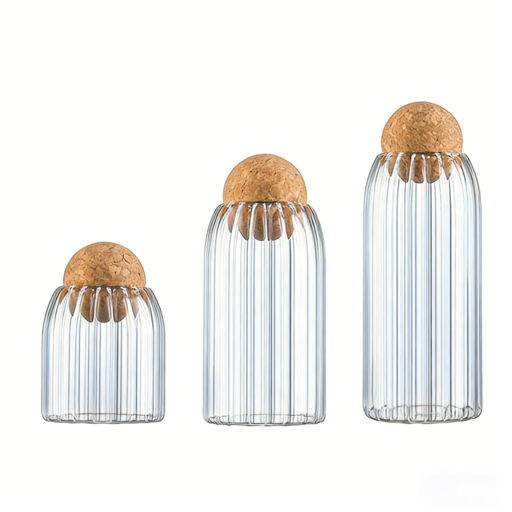
Why we chose it: Perfect for organising dry goods (pasta, rice, flour, legumes) in a way that's as practical as it is beautiful. These jars effectively protect food from moisture and air.
These jars are specifically designed to be airtight, tackling the problem of failing seals head-on. Their mission: long-term storage of dry goods.
Their stackable, transparent design lets you see the contents at a glance and optimises shelf space.
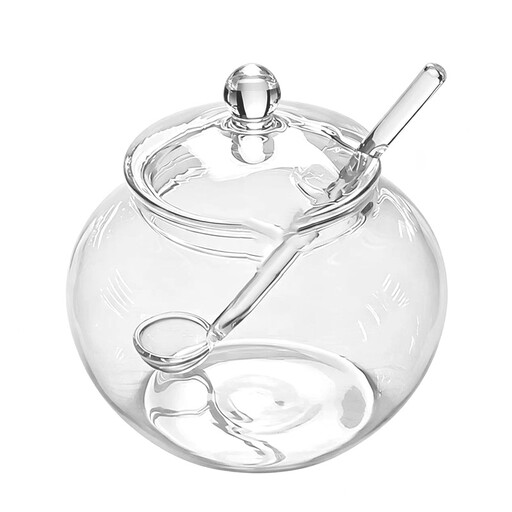
Why we chose it: Perfect for condiments, sugar, fine salt, or homemade jam that you want to leave on the breakfast table or keep within easy reach on the countertop.
This jar doesn't overpromise. It focuses on a single use and masters it perfectly. Its simple lid and integrated spoon meet a specific need without falling into the trap of a multi-function lid that ages poorly.
The clever design with an included spoon: the small, practical detail that makes all the difference in daily use.
Discover our complete, up-to-date selection of products that meet our strict selection criteria and current safety standards.
Yes, absolutely, for versatile use that includes the oven, microwave, and freezer. Its resistance to thermal shock is your best guarantee of safety and durability. However, for simple storage in the refrigerator or a cupboard (for glass jars for preserving dry goods, for example), good-quality soda-lime glass will do the job.
Ideally, wash the lids and their silicone gaskets separately after each use, preferably by hand with a mild soap. For stubborn odours, a soak in warm water and white vinegar works wonders. Avoid microwaving highly staining foods (like curry or tomato sauce) with the plastic lid on, as it could become permanently stained.
It is strongly recommended to use borosilicate glass for freezing. Most importantly, never fill the container to the brim. Liquids expand as they freeze, and the pressure could shatter the glass. Always leave at least 2 cm of empty space at the top of the container.