
Same-day & Next-day Delivery

Quality Guaranteed

Unlock Your Welcome Offers: FREE Delivery | Up to 80% OFF | Free 30-day JoyPlus trial
Download the APP
Switching from plastic to glass for food storage is a smart move for both your health and the environment. However, the market is flooded with misleading claims. A glass food container isn't always as versatile as you might think, and a few technical details can quickly turn a good investment into a major disappointment. Before you toss your old containers, here are the common pitfalls to avoid.
To avoid being misled by marketing, focus on objective features. Here are our three essential checkpoints.
The fundamental difference is between standard soda-lime glass and borosilicate glass. The former, common in everyday dishware, handles thermal shock very poorly.
A borosilicate glass container, on the other hand, is specifically designed to withstand significant temperature changes. This is what makes a true oven-safe glass dish possible, allowing it to go from the countertop to a preheated oven without shattering. For versatile use that includes baking, make sure "borosilicate glass" is listed on the product specifications.
The effectiveness of a leak-proof food container depends on two things: the locking system and the quality of the gasket.
True versatility means every part of the container works as expected, with no unpleasant surprises. Before investing in a glass lunch box designed to be transported and reheated, always ask these questions:
Remember: almost all plastic lids should never go in a conventional oven. This information must be crystal clear to prevent any household accidents.
Rather than searching for a one-size-fits-all container (which doesn't exist), it's better to choose a model tailored to your actual needs.

Why we love it: With its generous 2-litre capacity, this dish is perfect for family meals. You can bake a casserole or a small roast directly in the oven, then store leftovers in the fridge without switching containers. So convenient!
Its borosilicate glass container is heat-resistant (up to 400°C), eliminating the risk of it breaking in the oven. The product page is transparent: the lid is not oven-safe. There's no room for error.
Its 4-clip locking system, combined with a removable silicone gasket, ensures a perfect seal and makes cleaning much easier.

Why we love it: Its 0.8L capacity is perfect for a single serving. The glass is completely neutral and non-porous, preventing the flavours of yesterday's curry from tainting today's salad. A crucial detail for office lunches.
Made from borosilicate glass, it handles the transition from fridge to microwave without any issues. The brand is also very clear about the risks of thermal shock, which encourages good habits.
The PYREX reputation speaks for itself—it's a guarantee of quality and durability. Its rectangular, stackable shape is a real bonus for optimising space in a bag or refrigerator.
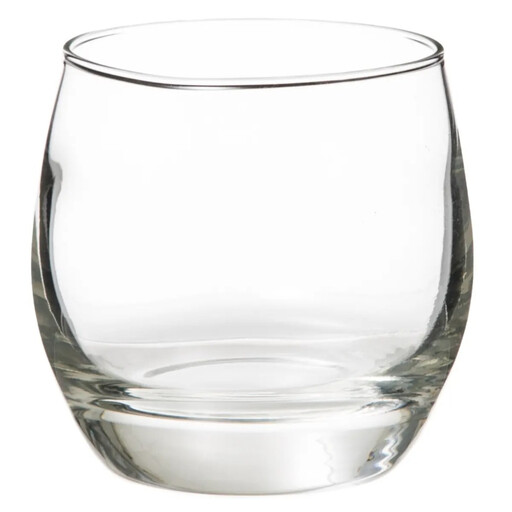
Why we love it: For serving an appetiser, dessert, or tapas, aesthetics are key. This 15 cl glass verrine provides an elegant presentation that showcases your creations, whether for a cocktail party or a more formal meal.
This product gets straight to the point and doesn't fall into the trap of false versatility. Its mission is simple: serving. No lid, no promises of oven use. The focus is on the clarity and sturdiness of the glass for a flawless presentation.
Its design, intended for professional use (restaurants, caterers), is an excellent indicator of its durability. The high-quality glass offers perfect transparency to enhance the food's appearance.
We have curated a complete range of products that meet our strict selection criteria and current safety standards.
Absolutely not! That's the surest way to shatter it. Even borosilicate glass has its limits and can crack under extreme thermal shock. The golden rule: always let the dish return to room temperature before putting it in the oven. Conversely, let a hot dish cool down completely before placing it in the refrigerator or freezer.
The secret is to remove the silicone gasket after each use (if the model allows, of course). Wash the gasket and the lid separately with hot, soapy water or in the dishwasher if they are compatible. Most importantly, make sure both parts are completely dry before reassembling the gasket. This is key to preventing moisture from getting trapped.
The glass container itself can last almost forever if it's well-maintained and protected from impacts (drops) and sudden temperature changes. The weak point is usually the lid, which has a more limited lifespan. The plastic clips, in particular, can wear out over time. However, hand-washing the lid, which is less aggressive than a dishwasher, can extend its life by several years.