
Livraison le jour même ou le lendemain

Qualité garantie

Débloquez vos offres de bienvenue: Livraison GRATUITE | Jusqu'à -80 % | 30 jours d'essai gratuits à JoyPlus
Téléchargez l'application
Switching from plastic to glass for food storage is an excellent move, both for your health and for the planet. But be warned: in a saturated market, not all promises are created equal. While buying a glass container might seem like a simple purchase, certain design flaws can render it useless in just a few months.
As product experts at Joybuy, our mission is to help you see things more clearly. Let's break down the common pitfalls to avoid and the criteria that truly matter for making a smart, durable purchase that's perfectly suited to your daily life.
Before you make a decision, watch out for these three weak points, which are often hidden behind slick marketing.
To ensure the longevity and practicality of your glass food container, focus on these two non-negotiable parameters.
The secret to a heavy-duty container? The composition of the glass itself.
For truly flexible use, from storage to cooking, the borosilicate glass food container stands out as the durable choice.
The effectiveness of an airtight glass jar comes down to one thing: its lid.
Rather than searching for the perfect 'do-it-all' container (which doesn't exist), it's better to choose a model designed for a specific purpose. Here are our recommendations for different needs.

Why we chose it: Ideal for taking homemade meals on the go. Its size is perfect for a single portion, and its design guarantees 100% leak-proof transport, from the office to the gym.
Its 4-clip locking system and thick silicone gasket ensure a perfect seal, even with soup. The borosilicate glass allows it to go directly into the microwave or oven.
Total versatility: freezer, oven (without lid), microwave, and dishwasher safe. The reliable, all-in-one solution for meal prepping.
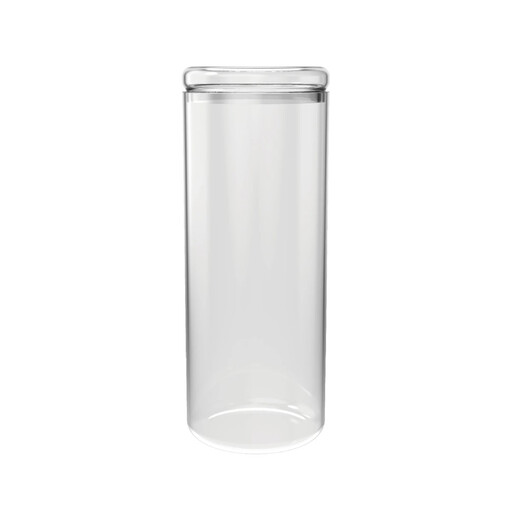
Why we chose it: Perfect for bulk storage. Its large capacity and clean design add a touch that is both aesthetic and functional to your **kitchen organisation**.
Its lid provides a truly airtight seal that protects dry goods from moisture, unlike purely decorative jars. The borosilicate glass itself won't stain or retain odours (from coffee, spices, etc.).
Its 1.2 L capacity and perfect transparency allow you to identify the contents and remaining level at a glance. Ideal for **storing dry goods**.

Why we chose it: With its generous 2-litre capacity, this is the ideal **glass dish with a lid** for a casserole, storing dinner leftovers, or marinating meat.
Unlike many large dishes designed only for storage, this one is made of **borosilicate glass** and is **oven-safe** up to 400°C. It therefore serves a dual purpose: a baking dish and a storage container.
Its 2-litre family-size format and great versatility: it serves as an oven dish, a serving dish, and a leak-proof storage container for the fridge.
We have selected a full range of products that meet our quality criteria and current food safety standards.
Yes, but under one non-negotiable condition: it must be made of borosilicate glass. Always check this information on the product's technical sheet. Standard soda-lime glass would not withstand the heat and could shatter. Also, remember to always remove the lid (whether plastic, wood, or bamboo) before placing it in the oven, as only the glass container is designed for high temperatures.
Glass is a non-porous material that, by nature, does not retain odours. If an unpleasant smell persists, the culprit is almost always the same: the lid's silicone gasket. For a perfect clean, remove the gasket and wash both parts separately with hot, soapy water. Let them air-dry completely before reassembling to prevent mould from growing.
It all depends on the quality of the plastic and the design of the mechanism. Reputable brands test their locking systems to guarantee thousands of openings and closings. To extend the life of your lid, we recommend washing it in the top rack of the dishwasher (or by hand) and avoiding putting excessive force on the clips.