
Livraison le jour même ou le lendemain

Qualité garantie

Débloquez vos offres de bienvenue: Livraison GRATUITE | Jusqu'à -80 % | 30 jours d'essai gratuits à JoyPlus
Téléchargez l'application
Buying French red wine online makes it easy to compare a wide range of appellations. But faced with the avalanche of references, prestigious names and glowing descriptions, it’s not always straightforward to find the bottle that truly matches what you’re looking for.
Three common pitfalls keep cropping up among shoppers:
So to choose a 75 cl bottle without getting it wrong, it’s best to start from the dish you’re planning, the level of structure you’re after, and how soon you’ll be drinking the wine.
A French AOP is based on a set of specifications linked to a specific geographical area and precise production methods. It gives you valuable clues, but on its own it won’t tell you exactly what the wine will taste like.
The alcohol percentage on the label gives you a first indication of how the wine will feel in the mouth, without replacing a proper tasting note. A wine between 12.5 and 13.5 % vol. pairs well with a wide variety of dishes, while a cuvée at 14 % vol. or more will often feel fuller and warmer.
Tannins provide structure and that drying sensation in the mouth. They work particularly well with red meats, stews and certain cheeses. For a smoother drinking experience, look out for terms like “supple tannins”, “soft attack” or “velvety texture” when they appear in the description.
The serving temperature also deserves your attention: many red wines are best enjoyed between 14 and 18 °C. If it’s too warm, a bottle can seem more alcoholic; too cold, and it risks losing some of its aromas.
Store your bottles away from light, excessive humidity and heat sources. If you plan to keep them for several years, choose a spot with a stable temperature. The ageing potential shown on a product page is an estimate – it doesn’t guarantee exactly how the wine will develop.
Most wines contain sulphites, which must be listed as allergens when they exceed the legal threshold. Always check the label and the detailed product information before buying. Alcohol consumption is not recommended during pregnancy and is reserved for adults who have reached the legal drinking age.
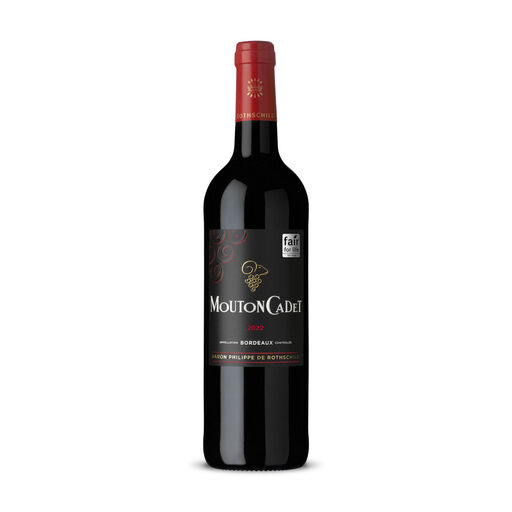
Why this choice suits this profile: Its fruity, balanced profile makes it an accessible first step into Bordeaux wine. It pairs easily with beef, lamb or a cheese board.
The product page details the aromas, food pairings and serving temperature. That helps you avoid choosing the bottle based solely on the prestige of its appellation.
Bordeaux AOP, 75 cl, fruity blend and recommended serving temperature between 15 and 17 °C.
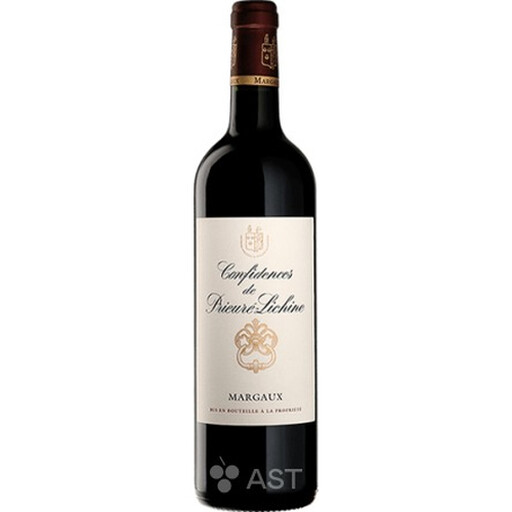
Why this choice suits this profile: This Margaux cuvée focuses on elegance, with notes of cherry, blueberry, violet and mint. It will naturally find its place at a carefully prepared meal.
The description specifies the blend, the alcohol level and serving between 16 and 18 °C, rather than relying solely on the reputation of Margaux.
AOC Margaux, 13 % vol., supple tannins and a blend including Merlot and Cabernet Sauvignon.
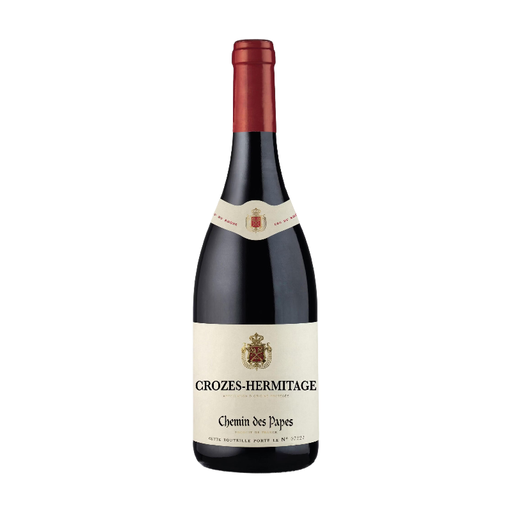
Why this choice suits this profile: Its smooth, aromatic profile works well with both grilled meats and cheeses, making it an easy bottle to reach for on a regular basis.
The product page states a soft structure, 12.5 % vol. and a precise serving temperature. This helps you avoid choosing a wine that’s too powerful for the meal you have in mind.
Crozes-Hermitage AOP, notes of red fruits, leather and spices, with pairings suited to grilled meats and cheeses.
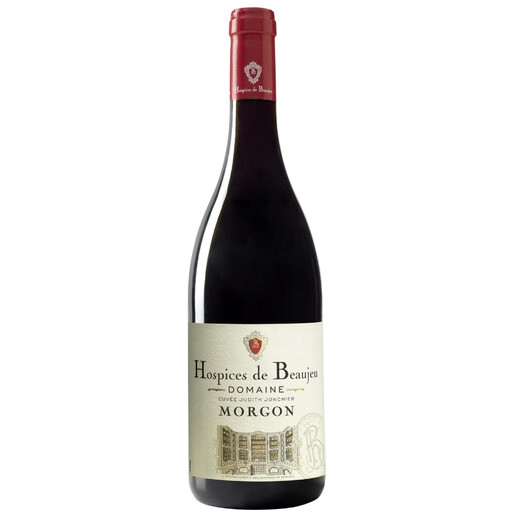
Why this choice suits this profile: This Morgon lets you discover Beaujolais in a more assertive light, with a Gamay offering notes of stone fruit, cherry and spices, followed by a mineral finish.
The product page clearly states the grape variety, the Morgon appellation, serving between 14 and 15 °C and the storage conditions, without promising unlimited ageing.
Morgon AOC, Gamay, 13.5 % vol., well-integrated tannins and ageing potential shown on the product page.
We’ve put together a complete, up-to-date selection of bottles that meet these exacting criteria, in line with European safety regulations.
It all depends on the style of the bottle. A Beaujolais, such as a Brouilly or a Morgon, can be served between 12 and 15 °C. Bordeaux, Saint-Émilion and Margaux are generally enjoyed between 16 and 18 °C. The product page for the wine you choose is still the best reference.
A bottle that’s well sealed and stored in the fridge will generally stay pleasant for a few days. The most structured wines may develop differently, but how long they keep depends on factors such as how full the bottle is, the type of cork and the style of the cuvée.
Most wines contain sulphites, which are used to help preserve their characteristics. Their presence must be declared above the legal threshold. Check the label and the detailed product information before buying.