
Livraison le jour même ou le lendemain

Qualité garantie

Débloquez vos offres de bienvenue: Livraison GRATUITE | Jusqu'à -80 % | 30 jours d'essai gratuits à JoyPlus
Téléchargez l'application
Buying a French red wine isn’t simply a matter of picking a well-known label or a prestigious appellation. Between a structured Bordeaux, a delicate Burgundy, a fruity Beaujolais and a generous Rhône wine, the profiles can vary enormously.
To avoid a bottle that misses the mark, check three things before you order: the appellation, the grape variety or blend, and the serving and storage conditions. These details already give you a good idea of the texture, intensity and possible food pairings.
A Margaux, a Saint-Émilion Grand Cru or a Médoc may naturally catch your eye. However, the name of the appellation alone isn’t enough to tell you whether you’ll enjoy the wine. The vintage, the blend, the ageing and the producer’s style all play a major role in the tasting experience.
A protected designation of origin or controlled appellation guarantees a specific production framework, but it doesn’t mean the bottle will automatically suit your meal or your taste.
A very high-alcohol or particularly concentrated wine isn’t necessarily the most pleasant to drink. During a long meal, a well-balanced gastronomic red wine will often be easier to appreciate than a very tannic cuvée. Freshness, suppleness and length on the palate should all be considered together.
Even a well-chosen bottle can taste unbalanced if it’s served too warm. Heat accentuates the sensation of alcohol, while too low a temperature stifles the aromas. A bottle of red wine 75 cl should also be stored away from light, excessive humidity and major temperature fluctuations.
The grape variety gives you a first clue, but it’s not enough on its own to predict the tasting experience. Pinot noir can accompany roast poultry or lean meat. Gamay pairs easily with charcuterie, home-style cooking or certain cheeses. Bordeaux blends are often the go-to choice for a red wine to accompany meat, especially when the dish is served with a sauce.
Check the alcohol level shown on the product page and on the label. The wines featured here contain sulphites – allergens whose presence must be declared. Nutritional information may also be given per 100 ml.
For serving, follow the recommendations specific to each bottle. Some fruity wines are best enjoyed at around 12 to 15 °C, while more structured Bordeaux wines express themselves better between 16 and 18 °C. Opening the bottle in advance or aerating it may be advised for certain wines, but this isn’t a rule that applies in every case.
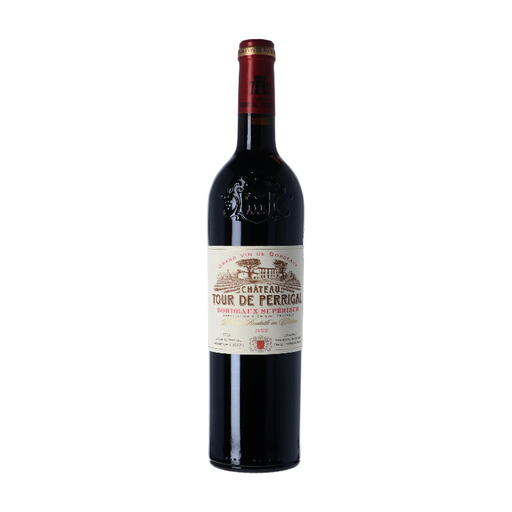
Why this choice suits this profile: Its Bordeaux blend and 75 cl format make it a reassuring option for a first purchase, a family meal or a tasting with friends.
The product page states the Bordeaux Supérieur appellation, the grape varieties and the serving conditions. So it doesn’t rely solely on a prestige argument.
Reported notes of blackcurrant, plum, cedar and spices, with 13.5% vol. and a 750 ml bottle.
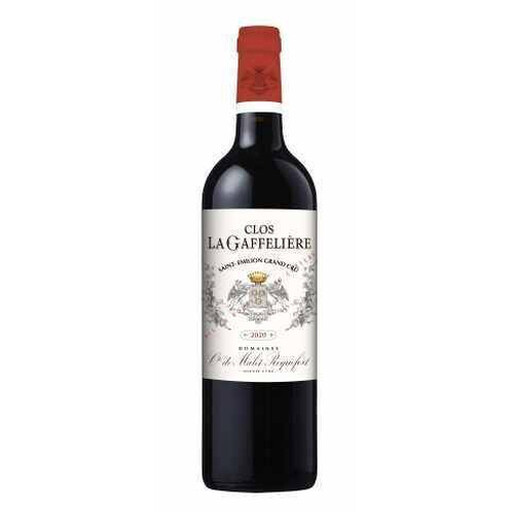
Why this choice suits this profile: This appellation from Bordeaux’s right bank naturally finds its place on a reception table, as a gift or during a careful tasting.
The product page specifies the appellation, origin and presence of sulphites, allowing you to compare the bottle on concrete criteria.
A reported profile of dark fruits, spices and cocoa, with structured tannins and a persistent finish.
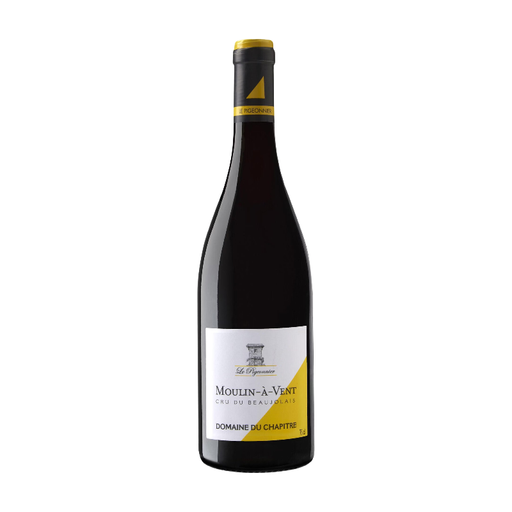
Why this choice suits this profile: This Beaujolais wine can regularly accompany red meats, game and cheese boards.
The serving temperature and recommended pairings remind you that a red wine isn’t always served very warm.
A fruity profile with notes of cherry and violet, described as fine tannins, a velvety texture and a 750 ml format.
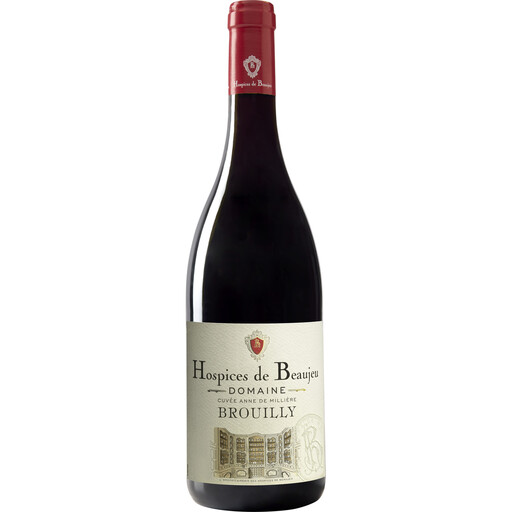
Why this choice suits this profile: This Brouilly from Beaujolais is perfectly suited to a relaxed meal, with simple cooking or some charcuterie.
Its serving recommendation, between 12 and 14 °C, reminds you that a red wine can sometimes benefit from being slightly chilled.
A garnet colour, stone fruit aromas, a fresh palate and tannins described as fine and balanced.
We’ve put together a comprehensive, real-time updated selection of products that meet these exacting criteria and European safety regulations.
With a grilled red meat, a Bordeaux, a Haut-Médoc or a Saint-Émilion Grand Cru will work if you’re looking for a good tannic structure. For roast poultry, a pinot noir from Burgundy or a Beaujolais wine will bring more suppleness. With herb-crusted lamb, a Lirac can match the spicy, aromatic notes of the dish. A Crozes-Hermitage, meanwhile, will pair well with grilled meats and certain cheeses.
It all depends on the style of the wine. A Brouilly or another fruity Beaujolais can be served at around 12 to 14 °C. A Bordeaux, Médoc or Margaux is generally enjoyed between 16 and 18 °C, depending on the instructions on the bottle.
Reseal the bottle and place it in the fridge, even if it’s a red wine. Fruity cuvées are often best drunk soon after opening. For a more structured wine, a suitable stopper can preserve the aromas for a short time, but the evolution depends on the wine and how full the bottle is.
Most of the wines featured here indicate the presence of sulphites. This mention is part of the mandatory allergen information. Always check the label and product page before buying. Alcohol consumption is for adults only and is not recommended during pregnancy.