
Livraison le jour même ou le lendemain

Qualité garantie

Débloquez vos offres de bienvenue: Livraison GRATUITE | Jusqu'à -80 % | 30 jours d'essai gratuits à JoyPlus
Téléchargez l'application
Choosing a red Bordeaux wine isn't simply about spotting a prestigious name on a label. Between the appellations, the blends, the vintages and the price differences, a bottle can easily fail to meet your expectations, even if its presentation is particularly polished.
Before you buy wine online, three pitfalls crop up time and again:
The left bank of Bordeaux, particularly the Médoc and Haut-Médoc, often relies on cabernet sauvignon, complemented by merlot and cabernet franc. The wines can reveal notes of blackcurrant, black cherry and spices, along with well-defined tannins.
In Margaux, a Margaux wine is generally sought after for its aromatic expression and softer texture. Each cuvée, however, retains its own characteristics. The LES HAUTS DU TERTRE Margaux Red 2022 75cl, for example, is presented as the second wine of a grand cru classé. Its description mentions a blend of cabernet sauvignon, merlot and cabernet franc, with aromas of red fruits, fresh cherry, spices and ripe plum.
On the right bank, a Saint-Émilion Grand Cru often favours merlot and cabernet franc. The CLOS LA GAFFELIERE St Émilion Grand Cru Red 2022 75cl promises a structured palate, elegant tannins and aromas of black fruits. This type of profile can pair perfectly with a hearty meal, depending on your taste.
The alcohol level gives a first clue about the sensation of volume on the palate, though it alone is not enough to judge a wine's quality or balance. In the selection on offer, the Bordeaux references generally range between 13% and 14.5% vol.
The vintage also deserves your attention. A recent year can offer more immediate fruit, while a bottle intended for ageing requires suitable conditions and sometimes a few years before it fully expresses its potential. The ageing indications on a product page are useful guides, not a guarantee of evolution.
For a bottle to open soon, look for descriptions like "supple tannins", "round palate" or "fruity". To build a cellar, prioritise precise information about ageing potential, temperature and storage position.
A 75 cl wine bottle is the classic size for a meal of four to six people, depending on how much you pour. Before confirming your purchase, check:
For the Bordeaux wines featured here, a temperature between 16 and 18 °C is often recommended. Avoid serving the wine too warm, otherwise the alcohol may dominate. After opening, reseal the bottle and keep it cool, away from light, following the recommendations on the label.
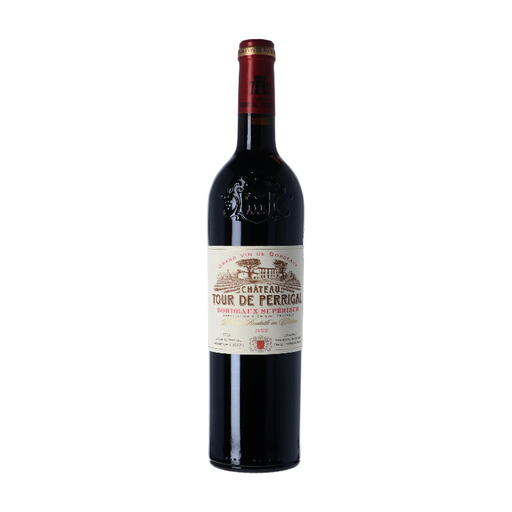
Why this choice suits this profile: Its Bordeaux Supérieur appellation and blend of merlot, cabernet sauvignon and cabernet franc offer an accessible starting point for discovering the Bordeaux style.
The product page details the appellation, grape varieties, 13.5% vol. alcohol level and serving temperature, rather than relying on a vague promise.
Stated notes of blackcurrant, plum, cedar and spices, with a structured palate and supple tannins.
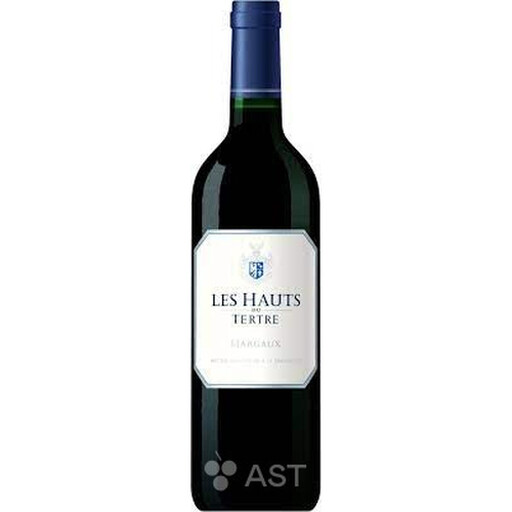
Why this choice suits this profile: This Margaux cuvée is aimed at those looking for a bottle to serve at a special dinner or to give as a gift.
The description clearly states its status as a second wine, its grape varieties, its serving temperature of 16–18 °C and its tasting notes.
A ruby-purple colour, red fruits, cherry, ripe plum and pleasant tannins, according to the information provided.
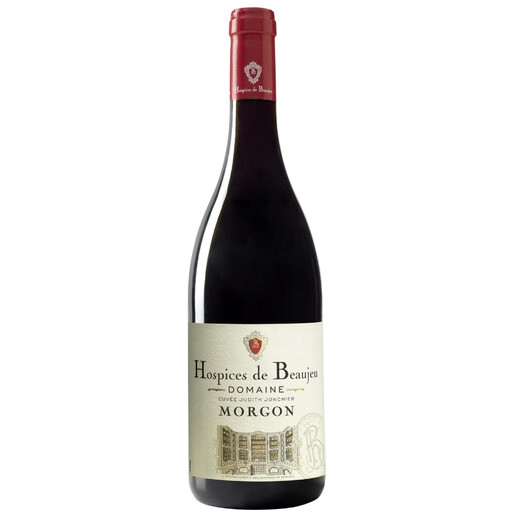
Why this choice suits this profile: For a change from Bordeaux, this Beaujolais cru made from gamay accompanies meals where you want freshness, fruit and a pleasant texture.
The product page indicates the gamay grape variety, a serving temperature of 14–15 °C, an alcohol level of 13.5% vol. and storage conditions.
Stated aromas of cherry, peach, plum and spices, with a mineral finish and well-integrated tannins.
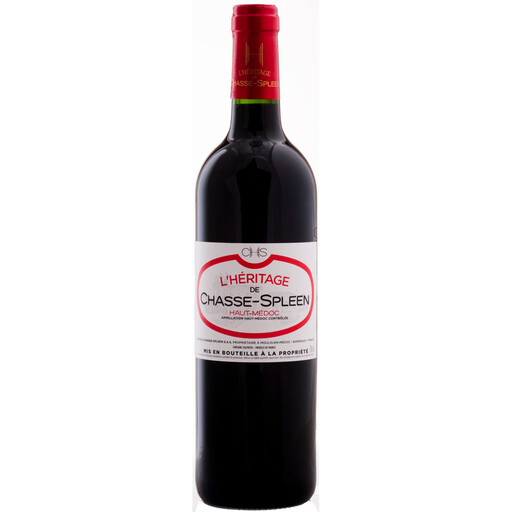
Why this choice suits this profile: Its Haut-Médoc profile suits the enthusiast who wants to serve a red wine with meat or to build up their cellar.
The product page indicates an alcohol level of 14% vol., a serving temperature of 14 °C and a stated ageing potential of at least ten years.
A blend of merlot, cabernet sauvignon and cabernet franc, with stated notes of blackcurrant and black cherry, along with fine tannins.
We have put together a comprehensive, real-time updated selection of products that meet these exacting criteria and comply with European safety regulations.
A structured Bordeaux can accompany red meat, duck breast, a stew or certain cheeses. If you prefer a fruitier texture and a slightly cooler serving temperature, turn to a Beaujolais cru such as Moulin-à-Vent, Brouilly, Morgon or Régnié.
A Burgundy wine made from pinot noir generally offers a different expression, more focused on finesse and red fruits. Bourgogne Aligoté, on the other hand, is a white wine: it pairs better with seafood, fish and light starters.
To choose a red wine to give as a gift, consider the occasion, the planned meal and the recipient's tastes, rather than relying solely on the price or the appellation's classification.
A Médoc, a Haut-Médoc, a Saint-Émilion or a Bordeaux Supérieur can accompany red meat. Above all, compare the level of tannins, the alcohol level and the richness of the dish. Grilled meat generally handles a more marked structure better than a more delicate preparation.
The storage life depends on the appellation, the producer, the vintage and the storage conditions. Keep the bottle in a cool, dark, stable place. When a product page mentions an ageing potential, take it as a guide: the actual evolution may vary.
Many Bordeaux references are served between 16 and 18 °C. Lighter wines, particularly some Beaujolais, can be served around 12 to 15 °C. Always check the product page and avoid a temperature that is too high, which could unbalance the tasting.
Alcohol abuse is dangerous for your health. Consume in moderation. Alcohol consumption is not recommended during pregnancy.