
Livraison le jour même ou le lendemain

Qualité garantie

Débloquez vos offres de bienvenue: Livraison GRATUITE | Jusqu'à -80 % | 30 jours d'essai gratuits à JoyPlus
Téléchargez l'application
Buying a French red wine is about more than choosing an attractive label or a famous appellation. Vintage, grape variety, alcohol content and serving advice can all make the difference between a pleasant surprise and a disappointing bottle.
To avoid disappointment, start by defining the style you enjoy, the occasion you are serving the wine for and the information that can genuinely be verified about the bottle.
A Margaux wine, a Saint-Émilion Grand Cru or a Médoc naturally suggests a certain level of prestige. However, the appellation name alone is not enough to predict how the wine will taste. The producer, blend, vintage and storage conditions also play a decisive role.
A bottle from a lesser-known appellation, such as a Bordeaux Supérieur or Castillon Côtes de Bordeaux, may be better suited to an everyday meal while remaining affordable.
A highly alcoholic or heavily oaked wine will not necessarily be a better match for your taste. A powerful style may lack suppleness with poultry, while a light wine could be overpowered by meat in a rich sauce.
The food pairing should therefore guide your choice: a fruity, supple wine for simple cooking, and a more structured cuvée for beef, game or a slow-cooked dish.
Even a carefully chosen bottle can lose its appeal if served too warm. Heat accentuates the sensation of alcohol and diminishes freshness. Conversely, a temperature that is too low can make the tannins feel harsh.
Also check for sulphites, the origin, net volume and recommendations shown on the label. Alcohol consumption is restricted to adults and is not recommended during pregnancy.
A wine’s style varies considerably according to its region of origin:
The appellation provides a geographical and regulatory framework, but it does not replace careful reading of the product information.
Alcohol content gives you an initial indication of a wine’s style, but is not in itself a guarantee of quality. A 12.5 or 13% vol. cuvée, for example, may accompany a leisurely meal and a variety of dishes. A 14 or 15% vol. wine will pair more easily with rich food, provided it is served at the recommended temperature.
For a 75 cl bottle of red wine intended for several guests, consider how you plan to use it: drinks and nibbles, a family meal, a gourmet dinner or building a wine collection.
The producer’s recommendations help you avoid guesswork:
A wine advertised as having ageing potential for several years must be stored in suitable conditions. For quick enjoyment, choose a cuvée described as supple, fruity or easy-drinking.
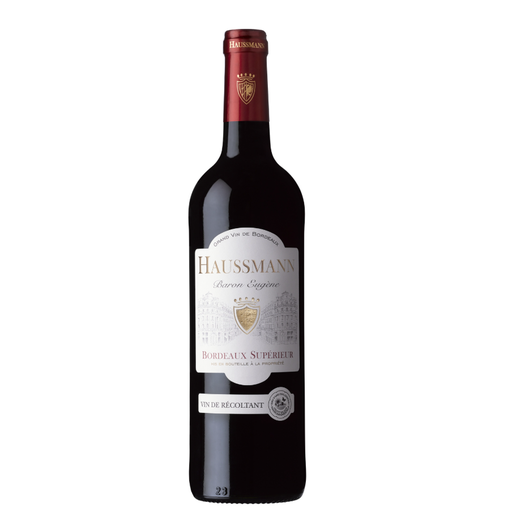
Why this choice suits this profile : This Bordeaux Supérieur is presented as a sociable, rounded cuvée, ideal for a meal with friends or family, or for discovering Bordeaux wines without exceeding your budget.
The description focuses on balance and simplicity rather than prestige, which can sometimes be difficult to interpret. Sulphites are listed.
75 cl format, AOP Bordeaux Supérieur appellation and a profile described as rounded and easy-drinking.
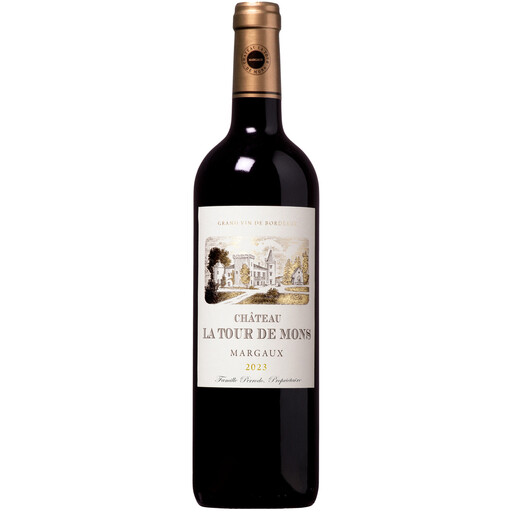
Why this choice suits this profile : This Margaux cuvée combines Merlot, Cabernet Sauvignon, Cabernet Franc and Petit Verdot in an oaked, spicy and fruity style.
The product information specifies the blend, the alcohol content of 13% vol. and a serving temperature of 17 °C. This makes it easier to understand the style before buying.
Margaux appellation, detailed blend and advertised ageing potential of up to 10 years.
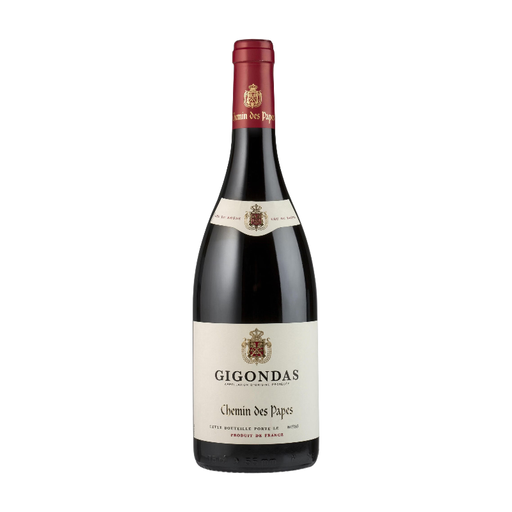
Why this choice suits this profile : Dense, spicy and warming, this wine is suited to hearty meals, slow-cooked meats and game.
The product information clearly describes a powerful structure and a warming sensation on the palate. It is therefore best reserved for dishes that can stand up to it.
AOP Gigondas, dense colour, notes of dried plum and spices, and a 75 cl format.
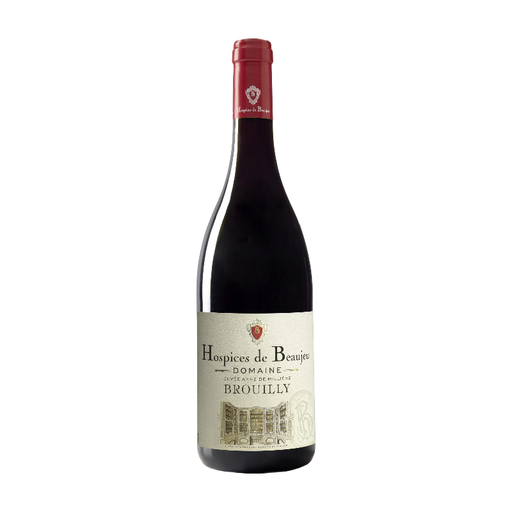
Why this choice suits this profile : This Brouilly showcases Gamay, with stone-fruit notes, freshness and balanced tannins that pair well with a wide range of dishes.
The recommended serving temperature of 12 to 14 °C prevents this fruity wine from being served too warm.
AOC Brouilly, Gamay grape variety, 13% vol. and clearly stated storage advice.
We have brought together a complete, real-time updated selection of products that meet these buying criteria and the requirements of European safety regulations.
With grilled red meat, choose a Médoc, Haut-Médoc, Saint-Estèphe or structured Bordeaux Supérieur. Roast poultry pairs well with a Burgundy Pinot Noir or a Chinon. Slow-cooked dishes, lamb and game call for a Gigondas or Lirac. For a selection of charcuterie and cheeses, a Beaujolais such as Brouilly or Juliénas brings an enjoyable suppleness.
It all depends on the style of the cuvée. As a general rule, serve fruity wines at around 12 to 14 °C, and the more structured Bordeaux or Rhône Valley wines at around 16 to 18 °C. Always follow the producer’s recommendations.
A resealed bottle kept in the fridge can remain enjoyable for between one and a few days, depending on its style. Young, fruity wines are often intended to be drunk quickly, while structured cuvées may develop differently after opening.
Vary the regions, grape varieties and styles: Bordeaux for structure, Burgundy for Pinot Noir, Beaujolais for fruit, the Loire for freshness and the Rhône Valley for spicy notes. Check the advertised ageing potential and storage conditions, and above all, consider how often you actually drink wine.