
Livraison le jour même ou le lendemain

Qualité garantie

Débloquez vos offres de bienvenue: Livraison GRATUITE | Jusqu'à -80 % | 30 jours d'essai gratuits à JoyPlus
Téléchargez l'application
Choosing a red wine online is not simply a matter of spotting an attractive label or a renowned appellation. Between promises of “great elegance”, carefully embellished descriptions and vintages that can sometimes be difficult to compare, it is easy to receive a bottle that suits neither the meal you have planned nor your personal tastes.
Here are the criteria to review before making an online red wine purchase, along with a selection of 75 cl bottles to suit different preferences.
A Saint-Émilion Grand Cru, a Margaux or a Burgundy wine may offer impressive complexity without appealing to everyone. Some wine lovers seek the structured tannins of Bordeaux wines, while others prefer the softness of a Beaujolais Gamay or the generous fruit of a Rhône Valley wine.
The appellation provides information about the wine’s origin and production rules. It is not enough to determine the bottle’s flavour profile.
The grape variety plays a major role in both texture and aromas. Pinot Noir generally produces delicately structured wines characterised by red fruit flavours. Gamay, widely grown in Beaujolais, often produces soft, fruity wines. Merlot adds roundness, while Cabernet Sauvignon reinforces the structure and brings black-fruit notes.
When choosing a red wine for a meal, consider the dish, of course, but also your sensitivity to tannins, your preference for freshness and whether you prefer lighter or fuller-bodied wines.
A carefully chosen bottle can lose some of its appeal if it is served too warm or stored next to a radiator. Most red wines should be kept away from light, heat and excessive humidity. The ideal temperature depends on the style: some Beaujolais wines are best enjoyed at around 12 to 15 °C, while a structured Bordeaux is generally served between 16 and 18 °C.
Also remember to check for sulphites, as listed on the product page, along with the alcohol content and tasting recommendations.
When comparing a French red wine, start by looking at the appellation and region of origin:
The alcohol content, expressed as a percentage by volume, provides an initial indication of the wine’s style, but is not enough on its own to measure its intensity. A wine at 12 or 12.5 % vol. will pair easily with lighter cuisine, while a 13.5 or 14 % vol. cuvée is better suited to roast meat or a slow-cooked dish.
When choosing a red wine with meat and cheese, try to match the intensity of the wine to that of the dish:
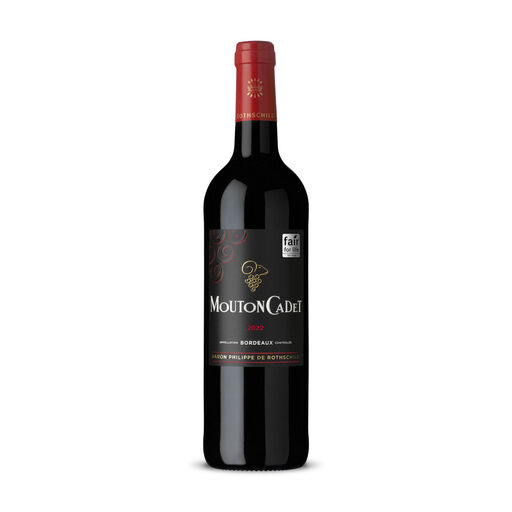
Why this choice suits this profile : Its fruity profile and soft texture make it an accessible introduction to the world of Bordeaux blends. It will pair easily with meat or a cheese board.
The product page states the origin, food pairings, serving temperature and presence of sulphites. This gives you a practical idea of what the wine is like, rather than leaving you to rely on a simple marketing promise.
75 cl bottle, Bordeaux blend, recommended serving temperature between 15 and 17 °C, and a good match for full-flavoured meats.
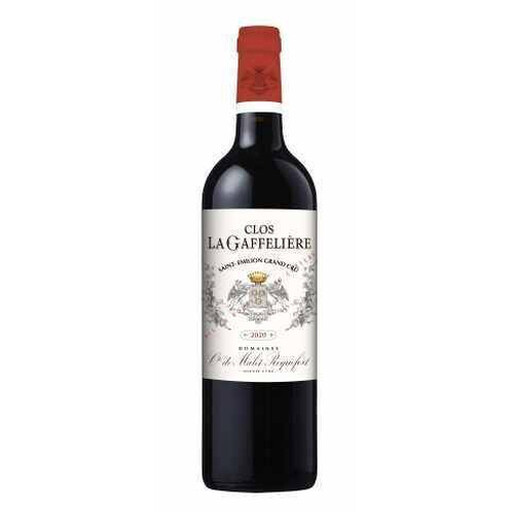
Why this choice suits this profile : This Saint-Émilion Grand Cru combines Merlot and Cabernet Franc in a full-bodied style, with concentrated black fruit, elegant tannins and a long finish.
The appellation and grape varieties are clearly stated. This makes it possible to assess the style using verifiable information, without focusing solely on the prestige of the label.
Saint-Émilion AOP, 14 % vol., serve between 16 and 18 °C, with a profile suited to slow-cooked dishes or roast meats.
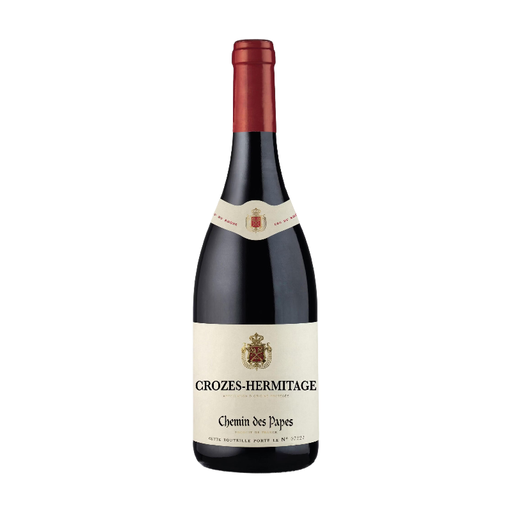
Why this choice suits this profile : Made from Syrah, this soft, aromatic and spicy wine is ideal for regular meals featuring grilled meat or a cheese board.
The product page details the alcohol content, storage conditions, ingredients and food pairings. It is a real help when choosing a bottle intended for your wine cellar.
Crozes-Hermitage AOP, 12.5 % vol., notes of red fruit, leather and spices, with a recommended serving temperature of around 16 °C.
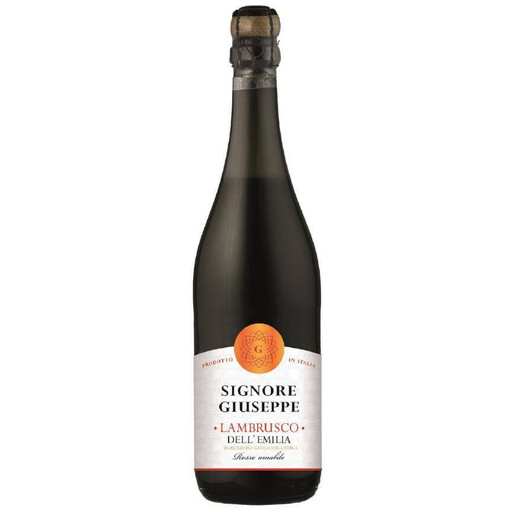
Why this choice suits this profile : Served between 8 and 10 °C, this Italian sparkling red offers a light, fruity alternative for an aperitif or a relaxed meal.
Its alcohol content of 8 % vol. and chilled serving temperature immediately indicate what to expect: this is different from a classic still red wine.
75 cl bottle, Lambrusco grape blend, garnet colour and red-fruit notes on a soft, fruity base.
We have brought together a complete, real-time updated selection of products that meet these selection criteria, as well as European regulatory safety requirements.
A Bordeaux, Haut-Médoc, Saint-Émilion or Crozes-Hermitage can work well, depending on the cooking method and sauce. With grilled meat, choose a wine with sufficient structure and well-defined tannins. For a more delicate preparation, a Burgundy or Beaujolais will offer greater softness.
It depends on the appellation, vintage, producer and storage conditions. Some wines are made to be enjoyed young, while bottles from Bordeaux or the Rhône Valley sometimes have ageing potential specified on their product page. Store them in a cool, dark and stable place, then follow the producer’s recommendations.
A light or very fruity red can be served at around 12 to 15 °C. More structured wines are generally best enjoyed between 16 and 18 °C. However, avoid serving wine at room temperature if the room is very warm. Alcohol consumption should be moderate, and alcohol is not recommended during pregnancy.