
Livraison le jour même ou le lendemain

Qualité garantie

Débloquez vos offres de bienvenue: Livraison GRATUITE | Jusqu'à -80 % | 30 jours d'essai gratuits à JoyPlus
Téléchargez l'application
Buying French wine online gives you access to wines from Bordeaux, Burgundy, Provence and the Rhône Valley without having to visit wine merchants. But even a well-illustrated product page does not always make it easy to choose well. Between prestigious appellations, flattering descriptions and sometimes unclear storage conditions, certain details can push up the price without adding much to the experience in the glass.
Here are the criteria to consider before an online wine purchase, along with a selection suited to different preferences and occasions.
An AOP or AOC regulates the wine’s origin, certain production methods and, depending on its specification, the permitted grape varieties. However, it does not guarantee that every bottle will appeal to every wine lover. A Bordeaux red wine may be soft and fruity or, conversely, fuller-bodied, depending on the appellation, blend and vintage.
Take the time to read the full product page: grape varieties, alcohol content, serving temperature and tasting notes often provide far more information than the name of the region alone.
Appellations such as Margaux and Saint-Émilion Grand Cru have an excellent reputation, but they are not necessarily suited to the same occasions as a more affordable Bordeaux. For a relaxed meal, a soft, easy-drinking wine may sometimes be more appropriate than a tannin-rich cuvée. If you are building a wine cellar, however, ageing potential and storage conditions become the priority.
A 75 cl bottle must be protected from heat, excessive humidity and direct sunlight. Also check the delivery arrangements, the quality of the packaging and the information available about the wine’s provenance. The presence of sulphites must be stated on the label. Alcohol is for adults only and should be consumed in moderation. It is not recommended during pregnancy or in any situation where it may pose a risk.
French AOP wines offer a clearly defined origin framework, but grape varieties play a decisive role in the flavour profile:
The product page should also specify the volume, alcohol content and allergens.
Temperature significantly changes how a wine is perceived. A red Bordeaux or Saint-Émilion can be served at around 16 to 18 °C, while Bourgogne Aligoté is generally best enjoyed between 10 and 12 °C. Provence rosé should be well chilled, often between 6 and 10 °C depending on the cuvée.
To create a successful pairing, start with the dish rather than the appellation’s reputation alone:
Keep your bottles in a cool, dark place at a stable temperature. Ageing periods stated on a product page are not a guarantee: they are a guideline and depend greatly on storage conditions.
A wine intended to be drunk over the next few months should not be chosen according to the same criteria as a bottle reserved for a special occasion. When organising a wine cellar, note the appellation, the official vintage shown on the label and the purchase date.
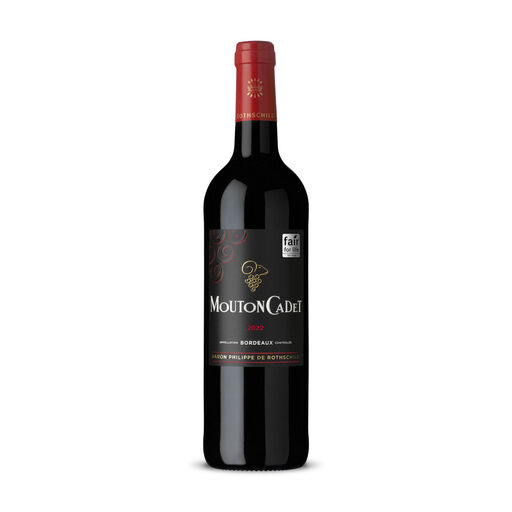
Why this choice suits this profile: Its 75 cl format and Bordeaux AOP appellation make it an accessible introduction to wines for pairing with meat or a cheeseboard.
The product page lists the grape varieties, sulphites and serving temperature, so you can compare concrete information rather than relying solely on the producer’s name.
A blend of Bordeaux grape varieties, a deep purple colour and tannins described as soft yet structured.
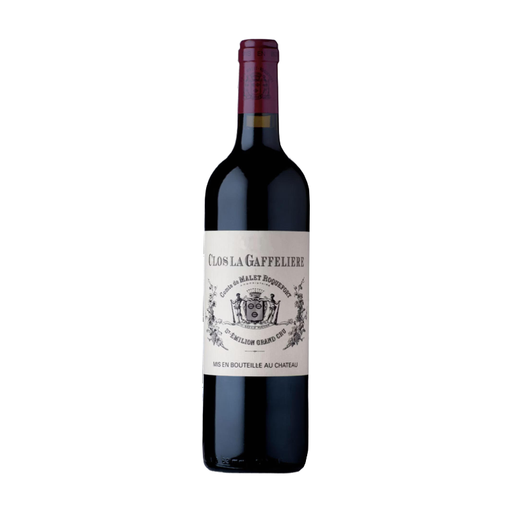
Why this choice suits this profile: This Bordeaux appellation is ideal for a carefully planned tasting, a celebratory meal or a gift for anyone who enjoys structured wines.
The product page specifies the appellation, official vintage, colour, stated aromas and the presence of sulphites, giving you all the information needed to compare bottles methodically.
A blend of Merlot and Cabernet Franc, concentrated dark fruit, elegant tannins and a lingering finish according to the description provided.
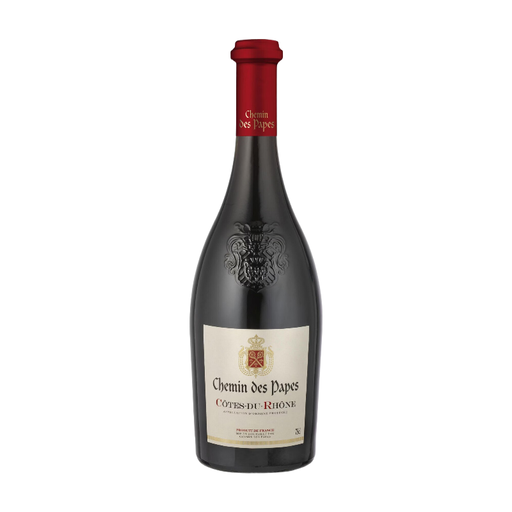
Why this choice suits this profile: Its fruity, spicy profile pairs beautifully with grilled meats, slow-cooked dishes and richly seasoned everyday recipes.
The serving temperature and suggested pairings are provided, so you avoid choosing a bottle based solely on its alcohol content or label.
A blend of Syrah and Grenache, notes of small dark berries and aromatic herbs, with tannins described as rounded.
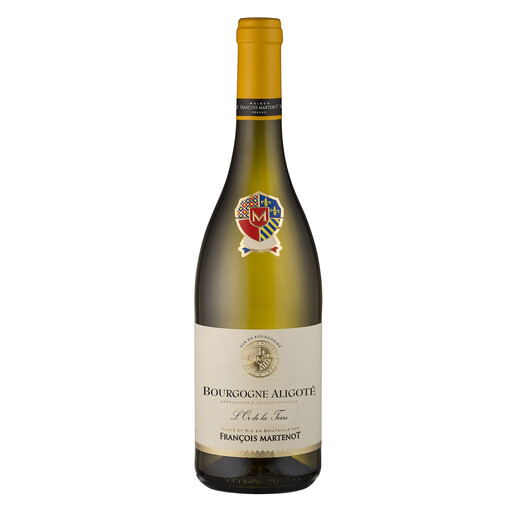
Why this choice suits this profile: Its stated freshness pairs well with seafood, fish and light meals, particularly if you are looking for an uncomplicated white wine to serve.
The product page specifies the Aligoté grape variety, AOC Bourgogne Aligoté, the 750 ml volume and a serving temperature between 10 and 12 °C.
13% vol., a lively palate and clearly stated sulphites: practical information to help you plan how to serve it.
We have brought together a complete, real-time updated selection of products that meet these selection criteria as well as European safety requirements.
Start with the dish, then check the grape variety, alcohol content and serving temperature. Bourgogne Aligoté pairs particularly well with fish and seafood, while Bordeaux or Côtes du Rhône generally go well with meat and cheese.
Yes, provided you store them as soon as they arrive in a cool, dark place at a stable temperature. Avoid leaving them in a car boot, an overheated room or in prolonged exposure to light. If your wine is delivered in hot weather, check the condition of the parcel before putting the bottles away.
No. Tawny Port comes from Portugal, while Lambrusco is produced in Italy, particularly in Emilia-Romagna. They can complement a selection of European wines, but their profile, alcohol content and uses differ from those of French wines.