
Same-day & Next-day Delivery

Quality Guaranteed

Unlock Your Welcome Offers: FREE Delivery | Up to 80% OFF | Free 30-day JoyPlus trial
Download the APP
A good food storage container is the unsung hero of a well-organised kitchen: it preserves food freshness, simplifies meal prep, and reduces waste. The problem? The market is flooded with products and marketing promises that often fall short. Warped lids, leaks in your bag, plastic that absorbs the smell of yesterday's meal… we've all been there. To help you cut through the clutter, our editors have broken down the common pitfalls to avoid and the criteria that truly matter.
Making the right choice the first time saves you from unnecessary expenses and equips you with reliable, durable gear. Here are the most common mistakes:
For a successful purchase, focus on these key technical features. They are the hallmark of quality and durability for your future food storage container.
The choice of material primarily depends on your intended use.
glass food storage container: Usually made of borosilicate glass, it is praised for its non-reactive nature. It's hygienic, doesn't retain odours or stains, is free of controversial substances, and can withstand very high temperatures. It's the ideal option for taking a dish from the refrigerator to the oven or microwave (without the lid). Its only drawbacks are its weight and fragility.Airtight Food ContainerA foolproof seal relies on two pillars:
A rule of thumb: always check the manufacturer's pictograms for compatibility with the freezer, microwave, oven, and dishwasher. For glass containers, the "oven-safe" label is essential if you plan to cook with them. Be aware that the plastic lid should never, ever go into a conventional oven.
Rather than an endless list, we've selected models that meet specific needs, steering clear of the classic pitfalls.

Why it's perfect for this profile: Its large 2-litre capacity is ideal for preparing family-sized dishes or several meals in advance. The borosilicate glass allows you to cook directly in the dish, store it in the fridge, and then reheat it without switching containers. A real time-saver (and less washing up!).
The 4-clip locking system and thick silicone seal guarantee a reliable, leak-proof seal. Its borosilicate glass is oven-safe (up to 400°C, without the lid), which eliminates the risk of the dish cracking during cooking.
Ultimate Versatility: freezer, oven, microwave, and dishwasher safe. Secure Locking: the clip system prevents nasty surprises in your bag.
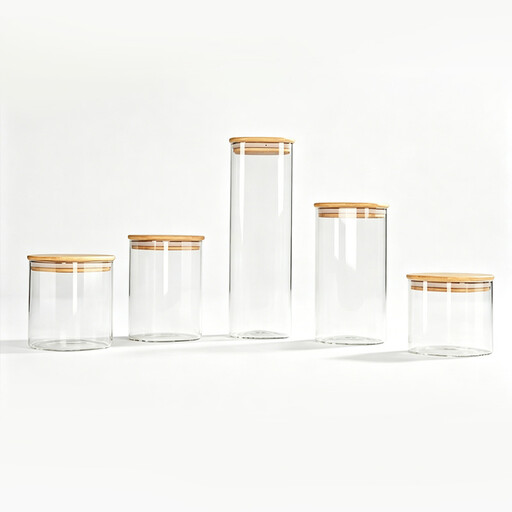
Why it's perfect for this profile: This set is specifically designed for storing dry goods (pasta, rice, flour, cereal). The different sizes help optimise cupboard space while adding a welcome aesthetic touch with their wood-effect lids.
This set avoids the trap of poorly assorted collections by offering five genuinely useful sizes for dry ingredients, from a spice jar to a large flour container. The airtight lid effectively protects against moisture and pantry moths.
Design and Functionality: the transparent glass lets you identify contents at a glance. Optimal Preservation: the airtight lids preserve the crunch and aroma of dry foods.

Why it's perfect for this profile: For those who pack a lunch every day, durability is the number one criterion. Stainless steel is lightweight, virtually unbreakable, and can withstand any bump in a backpack or tote bag. This set of three sizes is perfect for compartmentalising a meal (starter, main, dessert).
This set ends the dilemma between fragile glass and stain-prone plastic. 316 stainless steel is a food-grade material that won't degrade and, most importantly, retains absolutely no odours, even after hundreds of curries or vinaigrettes.
Durability and Lightness: the perfect combo for daily, on-the-go use. Impeccable Hygiene: stainless steel is very easy to clean and resists corrosion. Bonus: the containers are stackable for compact storage.
We've curated a complete selection of products that meet our demanding selection criteria and European safety standards.
Look at the lid: it should have a thick silicone seal and a firm locking system (clips that offer slight resistance when closing). A lid that clips on with no effort is often a bad sign.
glass food storage container in the oven?No, and this is a critical point to watch for. Only borosilicate glass is designed to withstand the thermal shock and high temperatures of an oven. Always look for the pictogram or label that confirms this. And never forget to remove the plastic lid before putting it in the oven, as it could melt or release unwanted substances.
For plastic containers, the secret is to act fast: wash them immediately so that pigments (from tomato sauce, curry, etc.) don't have time to set in. For all models, remember to remove the seal from time to time to clean it separately. Finally, always let the containers and lids air dry completely before storing them to prevent musty smells.