
Livraison le jour même ou le lendemain

Qualité garantie

Débloquez vos offres de bienvenue: Livraison GRATUITE | Jusqu'à -80 % | 30 jours d'essai gratuits à JoyPlus
Téléchargez l'application
An energy drink can be a handy pick-me-up at the office, during a gaming session or before physical activity. But the packaging doesn’t always tell the full story. A fruity flavour promise, a “natural” formula or a large can size can hide a high sugar content, a hefty dose of caffeine or a format that doesn’t suit your habits.
Before buying a single can of energy drink or a multipack of energy drinks, there are three pitfalls worth watching out for.
The container size also affects the total amount of caffeine and sugar you consume. A 500 ml can with 30 mg of caffeine per 100 ml delivers 150 mg of caffeine – twice as much as a 250 ml can with the same dosage.
To compare a caffeinated energy drink, start by finding the “caffeine” figure, given in milligrams per 100 ml. The calculation is simple:
total caffeine = amount per 100 ml × can volume ÷ 100
For example, Monster Ultra Strawberry Dreams and Monster Ultra White both contain around 30 mg of caffeine per 100 ml, which works out at nearly 150 mg for a 500 ml can. The Monster range also carries a warning about its high caffeine content, along with a recommendation not to consume it by children, pregnant or breastfeeding women, or people sensitive to caffeine.
Whether the caffeine comes from coffee, guarana or green tea, it should be counted the same way. A formula marketed as plant-based isn’t necessarily lower in caffeine.
A sugar-free energy drink may contain sucralose, acesulfame-K, erythritol or other sweeteners. Trust the nutritional panel rather than the colour of the can.
The CIAO ENERGY products featured here contain 4 g of sugars per 100 ml, which is 10 g per 250 ml can. They are marketed as reduced-sugar formulas and contain steviol glycosides. In contrast, AriZona Energy Much Mango has 11 g of sugars per 100 ml, while some classic brands like Tiger contain 10.9 g per 100 ml.
For a pre-workout drink, don’t automatically assume an energy drink is designed for sport. Some contain sugar, taurine or vitamins, but they don’t replace water or a balanced diet. If you’re sensitive to caffeine, seek advice from a healthcare professional.
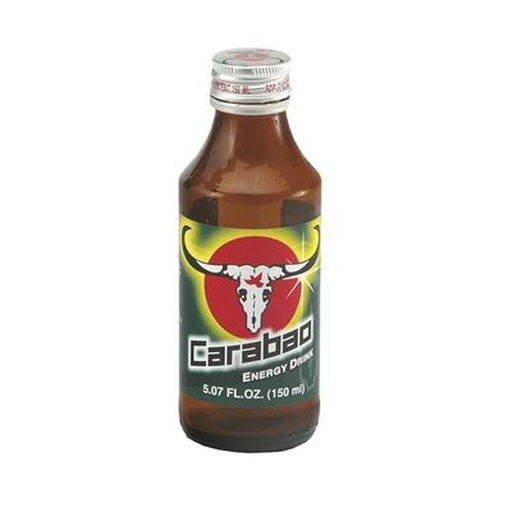
Why this suits this profile: Its small 150 ml size lets you try an energy drink without committing to a large multipack straight away.
The smaller volume reduces the risk of stocking up before you’ve checked the flavour and your caffeine tolerance.
150 ml size, taurine, guarana, caffeine and B vitamins listed in the ingredients.
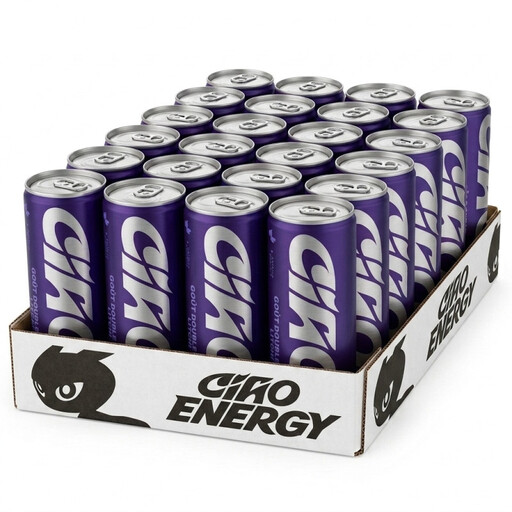
Why this suits this profile: This lychee version is aimed at consumers looking for a refined flavour and bulk packaging.
The label shows 43 kcal and 10 g of sugars per 250 ml can, making it easy to track each serving.
Pack of 24, caffeine from coffee and guarana, natural lychee and jasmine flavours.
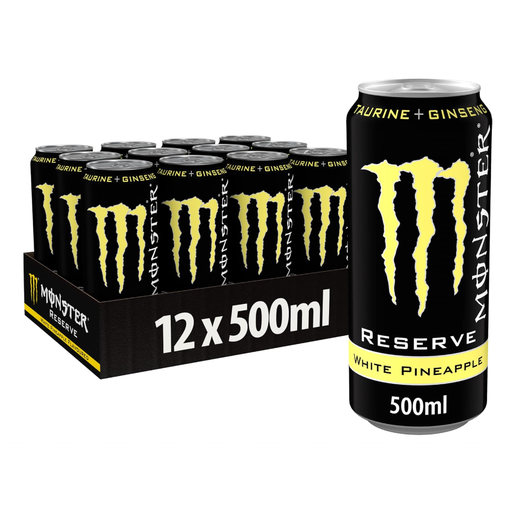
Why this suits this profile: The pack of 12 large cans is ideal for long sessions, shared spaces and buyers who want to stock up.
The product page clearly states 150 mg of caffeine per 500 ml can and 0 g of sugars – two figures to factor into your daily intake.
Pineapple flavour, 500 ml size and sugar-free formula according to the nutritional information provided.
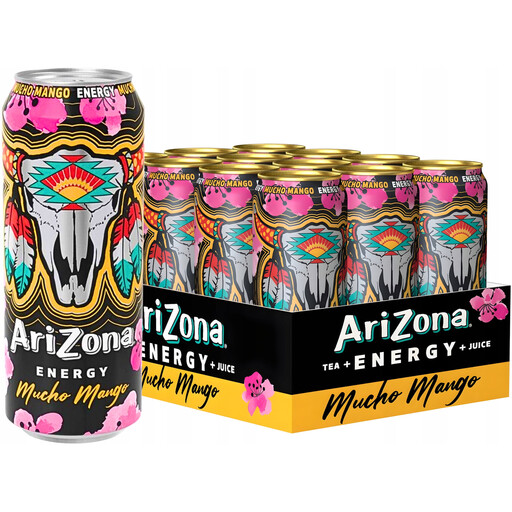
Why this suits this profile: The mango profile and 500 ml size will appeal to those who favour a fruity drink during study or leisure time.
The product page states the recipe contains 10% fruit juice and shows 11 g of sugars per 100 ml.
Pack of 12, caffeine from green tea and mango flavour with declared fruit juice content.
We’ve selected a full range, updated in real time, of products that meet these strict criteria as well as European safety regulations.
It all depends on the can size and the dosage stated per 100 ml. A drink with 30 mg per 100 ml contains 75 mg of caffeine in a 250 ml can, compared with 150 mg in a 500 ml can. Remember to add this amount to any other sources of caffeine you consume during the day.
Not necessarily. The absence of sugar relates to carbohydrates and sugars, while caffeine remains a separate factor. Always check both lines on the nutritional panel before buying.
Once opened, a fizzy drink gradually loses its bubbles and its taste quality. Product pages generally recommend drinking it quickly, often on the same day. Before opening, store cans in a cool, dry place away from light and heat, and check the date on the packaging.