
Livraison le jour même ou le lendemain

Qualité garantie

Débloquez vos offres de bienvenue: Livraison GRATUITE | Jusqu'à -80 % | 30 jours d'essai gratuits à JoyPlus
Téléchargez l'application
After a weight training session, a HIIT workout or a long bike ride, choosing a food supplement to support your energy and recovery can quickly become a headache. Amino acid powder, pre-workout, electrolyte drink, energy shot or sugar-free energy drink: each format meets a specific need.
Before placing your order, watch out for these three common pitfalls:
To support muscle recovery, check the amount of essential amino acids and BCAAs. A 4:1:1 BCAA ratio, for example, doesn’t guarantee that a product will suit every use. Pay particular attention to the amounts of leucine, isoleucine and valine in each serving.
Glutamine powder is easy to measure out. Nutri&Co L-Glutamine recommends a serving of 3 to 5 g, with a stated daily limit of 5 g. You can mix it into a shaker after training without adding sugar.
A pre-workout or energy drink can provide a substantial dose of caffeine. Nutri&Co Pre-Workout provides 200 mg per 15 g serving, while Optimum Nutrition Amino Energy + Electrolytes contains 100 mg per 250 ml can. Remember to add these amounts to the caffeine in any coffee, tea or other products you consume throughout the day.
Products with a high caffeine content are not recommended for children, teenagers, or pregnant or breastfeeding women. Always follow the label instructions and recommended intake.
A conventional energy drink can be very high in sugar. For example, the product details for Carabao Energy Drink 250 ml state that each can contains 43 g of sugar. By contrast, some functional drinks contain no sugar or are very low in calories.
For long sessions or training in hot weather, an electrolyte drink may be more suitable than a simple stimulant. Check for sodium, magnesium or potassium, as well as the recommended total volume. A sugar-free formula won’t necessarily provide the carbohydrates you need during prolonged exercise.
The products below are designed to meet different needs: supporting muscle mass, improving focus before exercise, staying hydrated or finding a vegan food supplement. The information and dosages reflect those shown on the product pages.
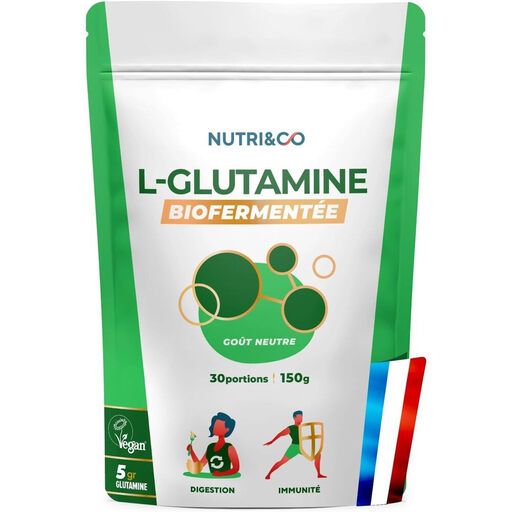
Why it suits this profile : A vegan, sugar-free powder with a single ingredient – ideal for beginners who don’t want to juggle multiple products.
The dosage is clearly stated: 3 to 5 g a day. The 150 g pack contains no declared sugar per serving.
Advertised as 100% L-glutamine, in powder form and free from gluten and gelatine, with 30 to 50 servings depending on the dosage.
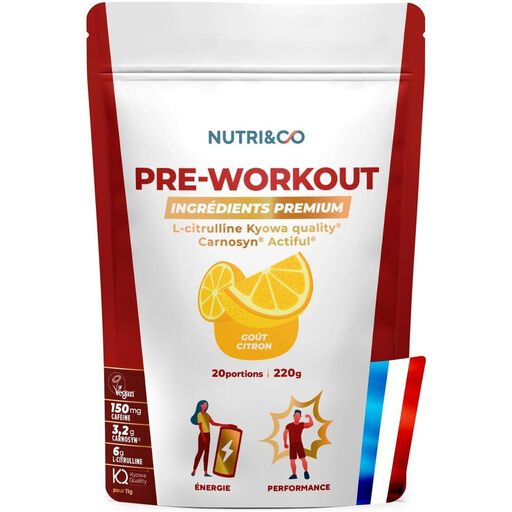
Why it suits this profile : A formula designed for short, intense weight training, cross-training or HIIT sessions.
The product page lists the active ingredients and their amounts: 6 g of L-citrulline, 3.2 g of beta-alanine and 200 mg of caffeine per serving.
300 g, or 20 stated servings, with a vegan formula and no synthetic sweeteners, according to the product page.
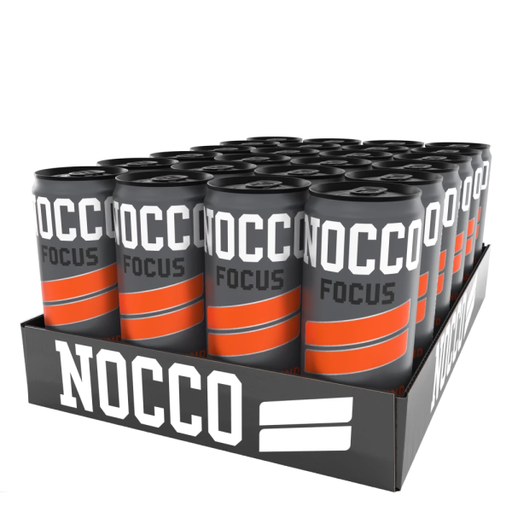
Why it suits this profile : A ready-to-drink option for people who value convenience before a workout or during a busy day.
The product page states that each can contains 0 g of sugar and 180 mg of caffeine, making it easier to keep track of your intake.
33 cl cans with no declared sugar or carbohydrates, plus B vitamins and green tea extract according to the supplied labelling.
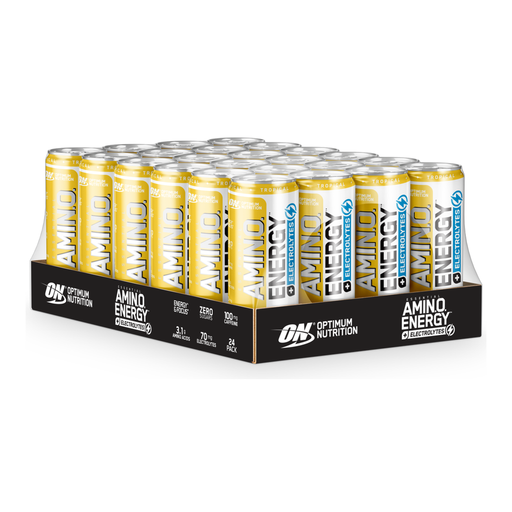
Why it suits this profile : A ready-to-drink beverage combining amino acids, electrolytes and caffeine for workouts and busy days alike.
The can lists its contents: 3.1 g of amino acids, 2 g of BCAAs, 100 mg of caffeine and 70 mg of magnesium.
Advertised as containing 0 g of sugar and 10 calories per can, plus magnesium and electrolytes according to the product page.
We’ve brought together a comprehensive selection, updated in real time, of products that meet these demanding criteria and European safety rules.
For short, intense exercise, a pre-workout containing caffeine may help with alertness and preparation. Start by checking the dosage, especially if you already drink coffee. For a long session, an electrolyte drink will often be better suited to your hydration needs.
BCAAs provide leucine, isoleucine and valine. They can complement a sports nutrition plan, particularly when it’s difficult to plan meals around your training. However, they’re no substitute for a varied diet or an appropriate overall protein intake.
Follow the date on the packaging and the storage instructions. Powder should generally be kept tightly sealed, somewhere dry and away from heat to limit moisture and clumping. Once opened, a drink should be consumed promptly, in line with the manufacturer’s instructions. If it contains caffeine, remember to keep track of your total daily intake too.