
Same-day & Next-day Delivery

Quality Guaranteed

Unlock Your Welcome Offers: FREE Delivery | Up to 80% OFF | Free 30-day JoyPlus trial
Download the APP
Faced with a wall of colourful cans at the supermarket, it's hard to know where to start. Between promises of vitality and ever-bolder flavours, choosing the right energy drink can quickly become a headache. Our mission? To help you decipher labels, avoid marketing traps, and find THE drink that truly meets your needs.
Energy drink marketing is incredibly effective. But behind the catchy slogans, certain details can turn an impulse buy into a real disappointment. Here are the most common pitfalls:
To make a smart choice, forget the packaging and focus on these few technical details that make all the difference.
A caffeinated drink is, first and foremost, a stimulant. In the European market, the standard is 32 mg of caffeine per 100 ml. A 250 ml can therefore provides 80 mg of caffeine, equivalent to an espresso or a strong cup of filter coffee. This is the first number to check to adjust your intake to your tolerance and needs, without risking an overdose.
The choice between the original version and a sugar-free energy drink depends on what you're looking for.
Some enriched formulas position themselves halfway towards a sports drink. They may contain:
These additions are only relevant if your consumption is linked to physical activity.
Applying these filters, we've selected a few standout products, each tailored to a specific need.
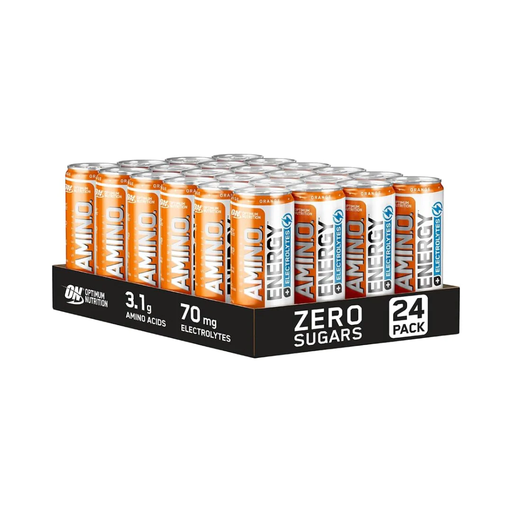
Our take: Perfect for those who want more than just a simple boost. This drink combines the stimulating effect of caffeine with technical ingredients (amino acids, electrolytes) designed for performance, all without sugar.
Its formula goes beyond the usual caffeine/taurine cocktail. The BCAAs and electrolytes justify its positioning: this isn't just an energy drink, it's a true performance aid.
A zero-sugar formula, but rich with 3.1 g of amino acids and 70 mg of electrolytes per can for hydration and performance.
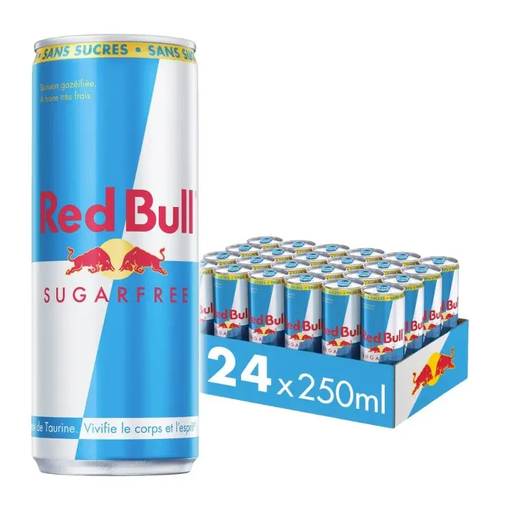
Our take: For those who want a concentration boost without sending the calorie counter soaring. This version offers the iconic effect of Red Bull, but without the sugar.
The promise is simple and delivered: it avoids the sugar trap. The goal is 100% focused on mental stimulation, without the caloric intake from carbohydrates.
The taste and effect of the original, with only 2 kcal per 100 ml. A perfect ally for concentration that won't derail your diet.
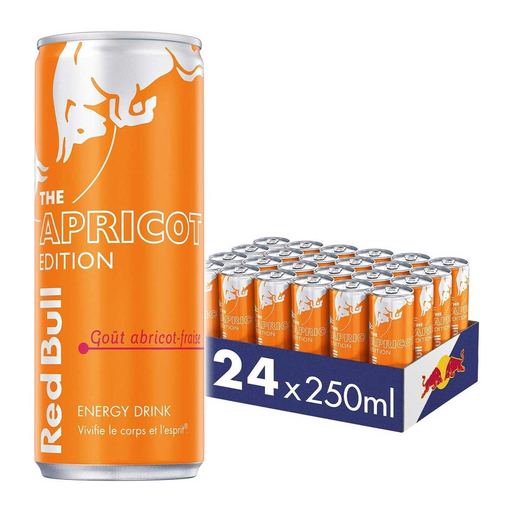
Our take: For those who love the kick from energy drinks but are tired of the "classic" taste. This limited edition is a breath of fresh air with its fruity, summery flavours.
It breaks the monotony on the shelf by offering a bold flavour combination. It's not just another flavour; it's a genuine taste experience that justifies its special edition status.
An apricot-strawberry flavour duo that's a radical departure from the original taste, while retaining the energising formula that made the brand a success.
Explore our full selection of drinks that meet our selection criteria and current regulations.
To put it simply, an energy drink gives you a mental boost thanks to stimulants (primarily caffeine). A sports drink, on the other hand, is designed for rehydration and to replenish losses (electrolytes, carbohydrates) during exercise. Some, like the one from Optimum Nutrition, straddle the line between both.
It's all a matter of moderation. The European Food Safety Authority (EFSA) considers a daily caffeine intake of up to 400 mg (about five 250 ml cans) to be safe for a healthy adult. However, it's best not to make it a habit and to listen to your body. Remember that these drinks are strongly discouraged for children, pregnant or breastfeeding women, and individuals sensitive to caffeine.
Absolutely. Even for occasional use, buying wholesale energy drinks significantly lowers the price per unit. It's a smart move for students, gamers, athletes, or anyone who consumes them regularly. You'll save money and always have a can on hand for when you hit a slump.