
Livraison le jour même ou le lendemain

Qualité garantie

Débloquez vos offres de bienvenue: Livraison GRATUITE | Jusqu'à -80 % | 30 jours d'essai gratuits à JoyPlus
Téléchargez l'application
A well-organised tool case is often all you need to assemble furniture, replace a handle, maintain a bicycle or handle minor repairs around the home. Yet buying a DIY tool kit can come with a few unwelcome surprises, whether you are a beginner or a regular DIY enthusiast.
The number of pieces listed on the packaging is not everything. A 128-piece set may pad out its count with similar bits, while a more compact case can bring together the tools you genuinely use day to day. To avoid paying for accessories that will sit unused at the back of a cupboard, it is worth examining the contents, materials and storage design.
A kit advertised as “100 pieces” — or more — may include adapters, highly specialised bits or several sizes that are rarely used. Instead, check whether it contains the items you actually need: screwdrivers, pliers, an adjustable wrench, a tape measure, a spirit level, sockets or a cordless drill.
For electronic repairs, the priorities are different. A precision screwdriver, a range of bits and storage that lets you quickly identify each size will be more useful than a large assortment of wrenches.
A complete tool case should keep every item securely in place. Compartments that are too loose allow parts to scatter, while a case that is difficult to close quickly becomes a nuisance to carry. Examine the internal layout, check whether there is a dedicated drill compartment and consider how easy the case is to transport.
A bit may appear suitable without matching the screw head precisely. With a wire stripper, the wire gauge must also correspond to the available notches. Power tools require particular attention: verify the voltage, charger, battery and applicable EU compliance markings.
When working on an electrical installation, always switch off the power and use an appropriate testing device. A DIY kit is no substitute for the expertise required for a potentially hazardous task.
For versatile household use, look for at least:
A case designed for automotive work will typically prioritise metric sockets, extensions and ratchets. For electronics, choose fine bits, a comfortable handle and a compact case instead. Electronic repair tools should not be used on screws or components that require significant torque.
Chrome vanadium steel, often abbreviated as Cr-V, is widely used for sockets, pliers and bits. Also check the finish, the precision of the fit and whether there is excessive play between the ratchet and socket.
For pliers, also consider their size, grip and stated cutting capacity. According to the product listing, the 200 mm WORKPRO model is designed to strip 10, 12, 14 and 16 AWG wire, as well as cut hard wire up to 2 mm. These specifications must be followed: using the wrong gauge can damage both the conductor and the tool.
With a cordless drill, check the nominal voltage, battery capacity, charging time and no-load speed. The BLACKZERO model lists a voltage of 16 V, a 1,600 mAh battery and a no-load speed ranging from 0 to 1,000 rpm. Its case includes a separate drill compartment and dedicated sections for the other tools.
A cordless rotary tool is designed for different tasks, such as engraving, sanding, polishing and small-scale drilling. The Fanttik F2 Master offers five speeds, a stated maximum speed of 25,000 rpm, 35 accessories measuring 2.3 mm and USB-C charging. The manufacturer also lists a weight of 100 g and an approximate charging time of 60 minutes. These specifications make it better suited to detailed work than to drilling thick materials.
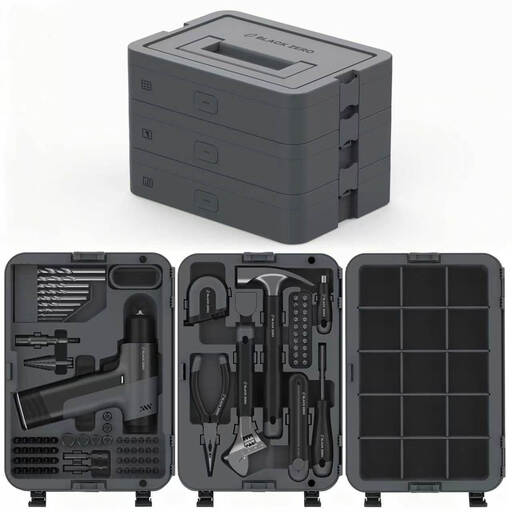
Why it suits this profile: This case combines a cordless drill with hand tools for everyday repairs, furniture assembly and general home maintenance.
The separate drill compartment keeps accessories organised and makes it easier to check the contents after each use.
Nominal voltage of 16 V, 1,600 mAh battery and a case measuring 329.5 × 236.5 × 75 mm, according to the product listing.
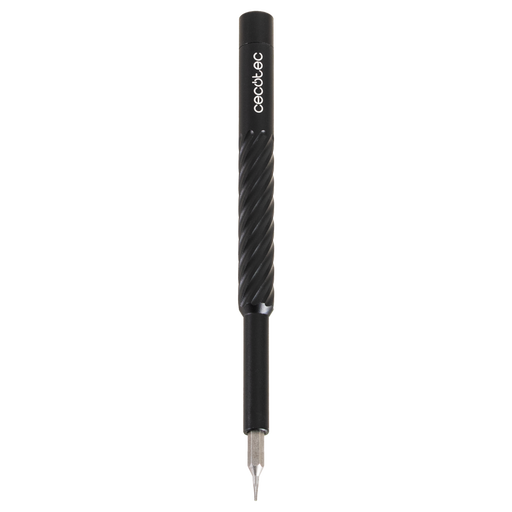
Why it suits this profile: Its selection is designed for small appliances, computers, phones and other tasks requiring precision bits.
All 128 pieces are dedicated to precision work. The case and integrated magnet also help reduce the risk of losing small screws.
Chrome vanadium steel bits, a rigid case and accessories suited to electronic repairs.
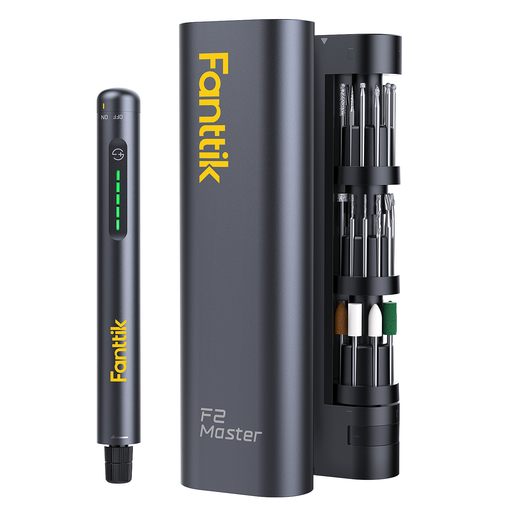
Why it suits this profile: Its lightweight design is ideal for engraving, polishing, sanding and finishing 3D-printed parts.
Its five speed settings let you match the rotation speed to the task instead of applying the same power to every material.
35 accessories measuring 2.3 mm, USB-C charging and a stated maximum speed of 25,000 rpm, according to the manufacturer.
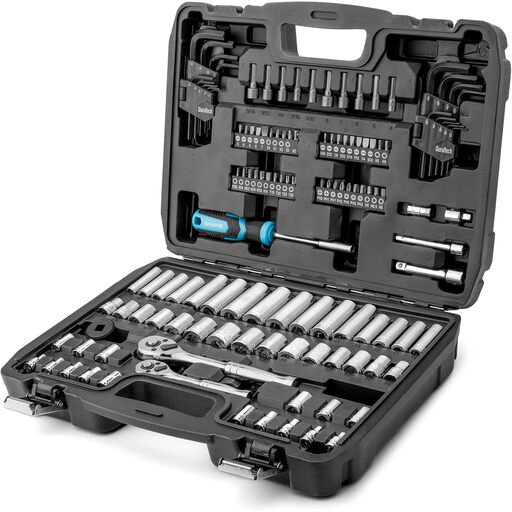
Why it suits this profile: It is designed for car and motorcycle repairs, as well as assemblies requiring multiple socket sizes.
The metric and SAE sockets, two ratchets and extension bars eliminate the need to purchase several essential pieces separately.
121 pieces, chrome vanadium steel, 1/4- and 3/8-inch ratchets and a storage case, according to the product listing.
We have brought together an up-to-date selection of products that meet these buying criteria and the safety requirements applicable in the European Union.
Service life depends on how often the tools are used, the torque applied and storage conditions. Wipe the tools after each use, dry metal components and avoid leaving the case in a damp location. Worn bits should be replaced to prevent damage to screw heads.
When using a drill or rotary tool, allow the motor to cool during extended sessions and use only compatible accessories. Battery runtime and service life vary according to load, temperature and frequency of use.
A versatile case containing screwdrivers, pliers, a tape measure, hex keys and bits provides a solid foundation. If you drill regularly, add a cordless drill with bits suited to the materials you work with.
Yes, provided the pieces are genuinely precision bits compatible with your devices. Check their sizes, handle quality, storage design and whether the set includes accessories suited to small screws. A large case is not automatically the right choice for every device.
Not necessarily. For a few repairs a year, prioritise a well-considered selection, clearly specified materials and a warranty that complies with consumer protection regulations. Professional tools become worthwhile when the frequency of use, precision or durability required justifies the investment.