
Livraison le jour même ou le lendemain

Qualité garantie

Débloquez vos offres de bienvenue: Livraison GRATUITE | Jusqu'à -80 % | 30 jours d'essai gratuits à JoyPlus
Téléchargez l'application
Assembling furniture, renovating a room, or starting a creative project? Having the right DIY tools is absolutely crucial. But with an overwhelming selection available, it's easy to make purchases that end up being costly and cluttering up your garage. A kit filled with useless accessories or a tool that's oversized for simple tasks are classic rookie mistakes. Our guide is here to help you navigate the options and invest wisely.
Before you pull out your credit card, watch out for these three classic traps that can turn a promising project into a real headache.
To make the right choice, focus on a few key points that separate a good tool from a bad one.
For a DIY kit, quality should always come before quantity. Pay attention to the tool's composition: chrome-vanadium (Cr-V) steel is a hallmark of durability for wrenches, sockets, and screwdriver bits, as it resists corrosion and deformation well. Finally, make sure the kit contains the essentials you'll actually need: a good set of screwdrivers, assorted pliers, a hammer, and a tape measure.
For cordless power tools, keep an eye on three key indicators:
For electrical equipment and worksite gear, safety is a must. Always look for the following marks:
To illustrate this advice, here are a few products that check all the right boxes, designed for specific needs.
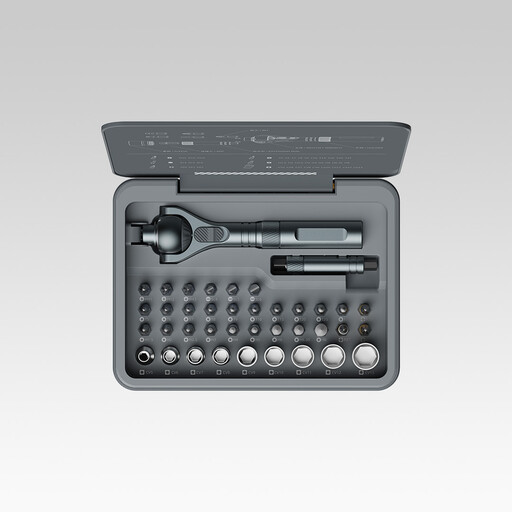
Why we chose it: The perfect companion for common tasks like assembling furniture, mounting shelves, or handling small everyday repairs. Its compact design means it can slip into any drawer.
It focuses on a single function (screwdriving) and executes it perfectly, with 40 genuinely useful bits. This helps you avoid the unnecessary fluff found in low-end, general-purpose kits.
Its retractable handle and magnetic design allow you to reach the most inaccessible screws without frustration.
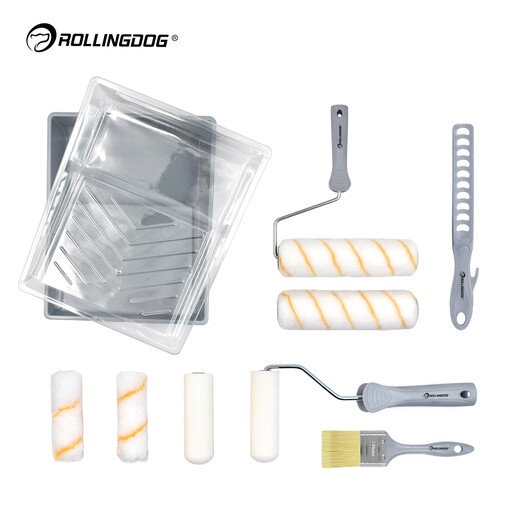
Why we chose it: The perfect kit for anyone planning to repaint one or more rooms. It includes everything you need to prep surfaces and apply paint to walls, ceilings, and trim.
This is a specialised kit: every item has a practical use for a painting project. Zero useless accessories that will just gather dust.
The disposable tray liners make cleanup incredibly easy, while the different-sized rollers (23 cm and 10 cm) allow you to tackle both large surfaces and tight corners with precision.
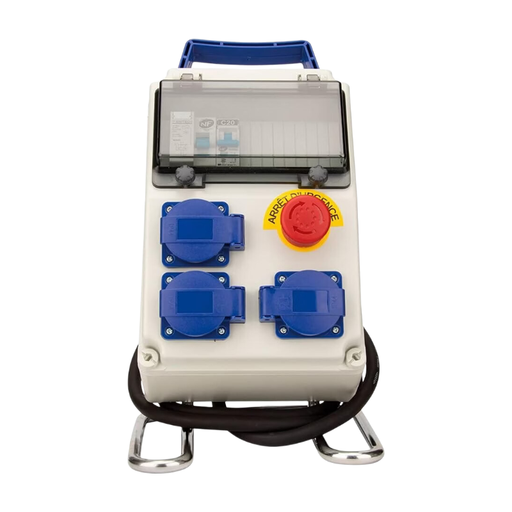
Why we chose it: Essential for safely powering your tools on a renovation site. It protects both the equipment and, most importantly, the people using it.
It directly addresses the safety pitfall. Its compliance (IP54, NF-certified components) is a non-negotiable prerequisite for any worksite.
It's a mobile, "plug-and-play" solution: the box comes pre-equipped (circuit breaker, differential, sockets), mounted on a metal stand, and even includes an emergency stop button.
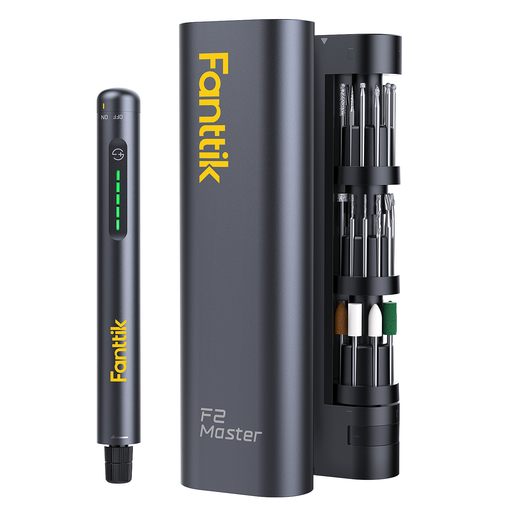
Why we chose it: The dream tool for enthusiasts of model making, creative hobbies, engraving, or for high-precision finishing (sanding, polishing) on small objects.
This ultra-specialised tool delivers performance (speeds up to 25,000 rpm, quiet motor) that is light-years ahead of the gimmicky engraving functions found on entry-level multi-tools.
Its ultra-lightweight pen-style design (100g) and magnetic storage hub for 35 accessories combine maximum portability with flawless organisation.
Discover our full selection of products that meet our quality criteria and current safety standards.
A hammer drill adds a forward-and-back striking motion to the rotation, allowing it to drill into dense materials like brick or concrete. An impact driver, on the other hand, delivers short, powerful rotational bursts to effortlessly drive long screws or loosen stuck bolts, using very high torque. It's the tool of choice for automotive repair, for example. Their uses are very distinct and rarely interchangeable.
Proper maintenance can make all the difference. After each use, take the time to clean your tools to remove dust and debris. For metal hand tools, a thin coat of oil will prevent rust from forming. For cordless power tools, store the batteries in a dry, temperate place, and avoid leaving them completely discharged for long periods of inactivity.
For common tasks like putting up shelves, replacing an outlet, or assembling furniture, a good basic DIY kit is perfectly suitable. However, for more ambitious projects (demolishing a wall, rewiring, laying tile), you'll need to invest in more specific and powerful tools: a rotary hammer, circular saw, a safe worksite distribution box, etc. It's all a matter of scale: assess the scope of your project carefully before you buy your gear.