
Livraison le jour même ou le lendemain

Qualité garantie

Débloquez vos offres de bienvenue: Livraison GRATUITE | Jusqu'à -80 % | 30 jours d'essai gratuits à JoyPlus
Téléchargez l'application
A blister after a hike, a minor kitchen cut, a cracked heel or an acne spot before an important appointment: hydrocolloid bandages and patches are designed for very different uses. Yet packaging often settles for broad claims such as “long-lasting protection,” “invisible” or “waterproof,” without clearly explaining the product’s limitations.
To avoid choosing the wrong product, start by assessing the area to protect, the condition of your skin, the bandage format and the conditions in which you will use it. Here are the criteria to check before choosing adhesive bandages, targeted patches or first-aid products.
A waterproof bandage may withstand a shower or a few splashes. That does not mean it will remain completely watertight after prolonged swimming, heavy sweating or repeated friction. Its performance also depends on clean, perfectly dry skin and on the edges adhering properly.
For a minor wound exposed to moisture, look for a clear water-resistant claim, a flexible backing and an adhesive that covers the entire perimeter. If the bandage starts to peel, becomes damp or gets dirty, replace it.
Hydrocolloid bandages are designed for certain blisters and minor superficial lesions. When they come into contact with wound fluid, their material can form a gel that protects the area and reduces friction. They are not suitable for deep or infected wounds, bites, significant burns or injuries requiring medical advice.
An already-open blister should be cleaned before application, in accordance with the instructions. If redness spreads, the area swells, pus appears, or you develop a fever or persistent pain, seek advice from a healthcare professional.
A standard rectangular bandage may be uncomfortable on a finger, heel or toe. For sports and walking, blister bandages with tapered edges or an anatomical shape generally adapt better to movement. For a blemish, a large bandage is unnecessary: acne patches are designed in small formats for targeted application.
If your skin reacts easily, choose a soft, breathable backing marketed as hypoallergenic. Bear in mind, however, that the risk of a reaction is never entirely eliminated. With patches containing active ingredients, particularly salicylic acid or tea tree oil, testing the product on a small area may be advisable.
Bandages for sensitive skin may be made from an especially soft non-woven material, with an adhesive designed to minimise discomfort during removal. To hold a dressing in place, a woven, breathable medical adhesive tape will be more suitable than a bandage intended to cover a wound directly.
Check the dimensions and number of pieces:
A sterile bandage should remain in its packaging until you are ready to use it. Do not use a dressing if its sachet is open or damaged.
The stated wear time varies depending on the product and the conditions of use. Some blister bandages can remain in place for several days if they are still adhering properly. Standard adhesive bandages should be replaced as soon as they become wet, dirty or detached.
Always read the instructions and information on the packaging. A single-use product must not be reused. With a liquid bandage, also follow the specific precautions: external use only, allow it to dry completely, keep it away from flames and stop using it immediately if irritation occurs.
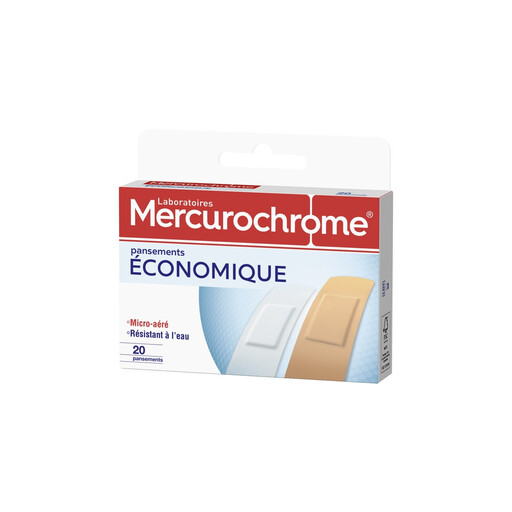
Why it suits this profile: a 20-piece pack for minor cuts, grazes and everyday superficial wounds.
Its breathable backing and water resistance meet two commonly sought-after criteria without presenting it as protection suitable for every situation.
20 pieces, flexible texture and breathable design as stated by the manufacturer.
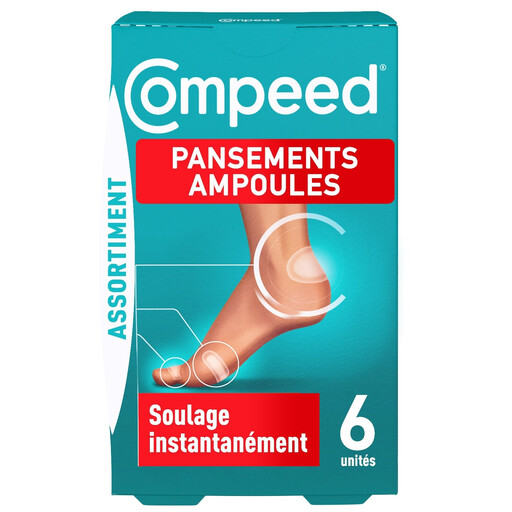
Why it suits this profile: the assortment includes two medium sizes, two small sizes and two toe-specific models. It fits easily into a walking or travel kit.
The varied formats eliminate the need to cut a bandage or apply it awkwardly to a curved area.
Six-piece assortment and hydrocolloid technology designed to absorb blister exudate.
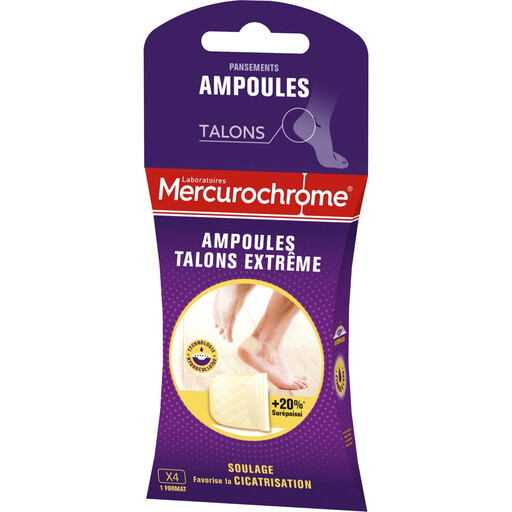
Why it suits this profile: its reinforced mesh structure is designed for heel blisters, particularly during hiking or sports activities.
Its intended use is clearly defined: it does not present a universal bandage as the answer for every friction-prone area.
Four-piece box, hydrocolloid material, tapered edges and stated water-resistant design.
Depending on your needs, you may also want to compare:
To compare other formats designed to protect minor injuries and support healing, explore our selection of healing bandages.
We have put together an up-to-date selection of products matching these criteria and common first-aid needs in France.
Some models are water resistant and can remain in place in the shower. However, dry the area around the bandage and replace it if it starts to peel, if water gets underneath or if its edges no longer adhere properly.
The duration depends on the model and how well it remains adhered. Several hydrocolloid bandages are designed to stay in place for several days, until they begin to peel away naturally. Follow the instructions and do not pull it off if doing so could irritate the skin.
Not always. Some contain active ingredients such as salicylic acid or tea tree oil. Check the ingredient list, test the product on a small area and stop using it if redness, itching or discomfort occurs.