
Same-day & Next-day Delivery

Quality Guaranteed

Unlock Your Welcome Offers: FREE Delivery | Up to 80% OFF | Free 30-day JoyPlus trial
Download the APP
An idyllic hike, a new pair of heels, or just a quick run... Sometimes, it only takes a few minutes for the dream to turn into a nightmare, all because of one thing: blisters. These small, painful bubbles, caused by repeated friction, are a walker's worst enemy. Fortunately, they aren't inevitable. The market is flooded with solutions, but not all are created equal. Knowing how to choose the right blister prevention tape is therefore crucial to keeping your feet protected.
As the Head of Product Curation at Joybuy, my mission is to guide you toward the most reliable and practical solutions on the market. Together, let's break down the criteria that truly matter and the pitfalls to avoid, so that pain never ruins your outings again.
Before you make a decision, learn to recognise the flaws that make some products ineffective, or even counterproductive.
To make the right choice, focus on a few technical features that make all the difference.
The choice of material is crucial: it determines the comfort, durability, and effectiveness of the protection.
A good adhesive must be strong, yet gentle on the skin. Opt for hypoallergenic formulas to rule out any risk of a reaction. It must guarantee a flawless hold, even against sweat and repeated movement, for blister protection for feet that won't let you down mid-journey.
Rather than an endless list, here are options we recommend for specific uses, all evaluated against the performance criteria we've just discussed.
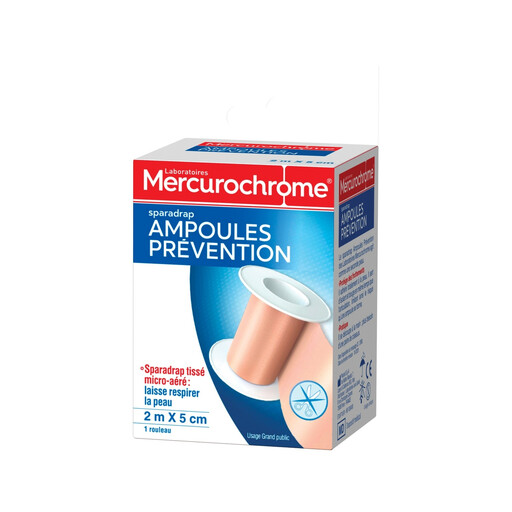
Why we recommend it: Engineered for exertion, this ultra-durable fabric roll is the ideal companion for hikers, trail runners, and endurance athletes who demand reliable, long-lasting protection.
Its high-performance adhesive is designed to withstand sweat and intense friction, eliminating any risk of premature peeling. Its woven structure provides a much more robust anti-friction barrier than a simple plaster.
Ultra-versatile 2 m x 5 cm roll format, tearable by hand for quick on-the-go application. The technical fabric effectively prevents hot spots.
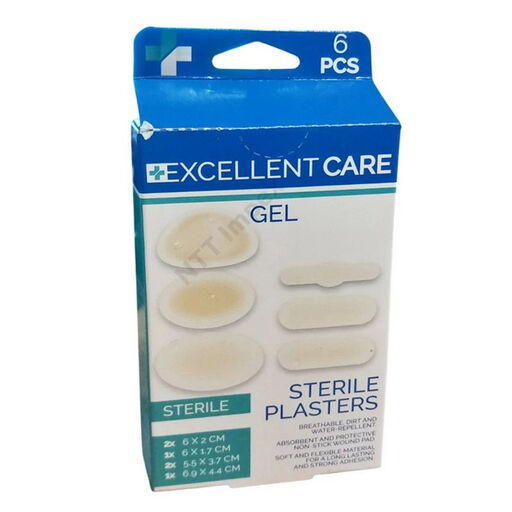
Why we recommend it: Perfect for those who want maximum protection on a specific friction point (heel, ankle bone...) or to act at the first sign of irritation, even before a blister forms.
It goes beyond simple coverage. Its hydrocolloid technology forms a gel cushion that actively absorbs pressure and friction. This is protection on another level.
Waterproof and breathable, it stays in place for several days, acting like a second skin. The kit includes 4 different sizes to fit all sensitive areas.
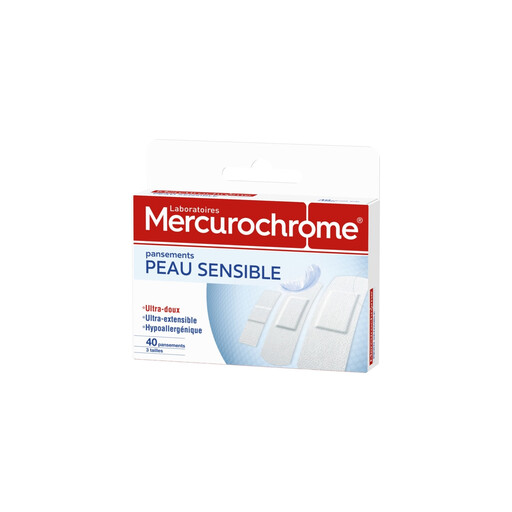
Why we recommend it: The perfect solution for "breaking in" new dress shoes or for people with reactive skin who don't tolerate standard adhesives well. Gentle protection for moderate friction.
Its hypoallergenic formula and ultra-soft non-woven backing are specifically designed to minimise irritation. No more harsh materials!
Its fabric backing is micro-perforated and highly stretchable, allowing it to follow the foot's movements without being noticeable, all while letting the skin breathe.
Discover other products approved by our experts, all meeting our performance criteria and current standards.
Absolutely not. You should never apply an adhesive preventive tape to broken skin or a popped blister. These products are meant for use on healthy skin. If a blister has already formed, use a specific hydrocolloid plaster that will protect it while promoting healing.
The hold of a sports tape depends on the quality of its adhesive, the intensity of the activity, and the amount of sweat. A good product, applied to clean, dry skin, can easily stay in place for several hours, or even a full day of hiking.
Absolutely, and the difference is significant. A hiking tape is designed for skin contact: it is hypoallergenic, breathable, and moisture-resistant. Trying to use DIY tape (like electrical or gaffer tape) is a very bad idea: you risk severe skin irritation, not to mention its lack of flexibility to follow the foot's movements.