
Livraison le jour même ou le lendemain

Qualité garantie

Débloquez vos offres de bienvenue: Livraison GRATUITE | Jusqu'à -80 % | 30 jours d'essai gratuits à JoyPlus
Téléchargez l'application
A well-organised pantry often starts with the right containers. Airtight kitchen jars let you group together cereals, pasta, flour, pulses, dried fruit and biscuits, while keeping an eye on your stock levels. However, not all models are created equal, and they don't all meet the same needs.
Before buying a set of kitchen jars, three common pitfalls keep cropping up:
For storing dry foods, choose containers where the manufacturer clearly states the composition and food-safe use. The label BPA-free means the material doesn't contain bisphenol A, but it doesn't replace information about food-contact suitability.
Airtight glass jars are ideal if you want to minimise odour retention and see exactly what you have in stock. However, they are heavier, especially when filled with rice, flour or pulses.
Transparent BPA-free plastic pots are lighter, easier to move and less prone to breakage. Do check the manufacturer's restrictions, though: some models aren't suitable for the oven, microwave or freezer, and aren't designed for hot liquids.
A lid with an integrated silicone seal can help limit air and moisture exchange. To avoid unpleasant surprises, check the following:
Even an airtight container doesn't replace good practice: let food cool before storing it, use clean utensils, and dry the lid thoroughly after washing.
Good pantry storage needs to account for shelf depth, available height and the weight of the container when full. Capacities of 0.5 to 1.2 litres are generally suitable for nuts, seeds, biscuits, spices and small quantities of cereals. 2 litres and above are better suited to pasta, flour, rice and foods bought in bulk.
Stackable food containers can free up vertical space, provided their base is stable and their lids are designed to support stacking. Before filling a large jar, also measure the space needed to grip it and take it out of the cupboard without difficulty.
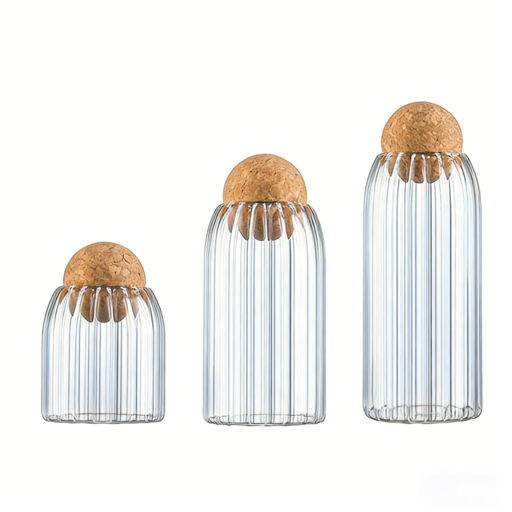
Why this suits this profile: With three glass jars, you can start organising a worktop, shelf or small pantry effectively, without investing in a collection that's too large.
The limited size stops you buying an overly large collection straight away, before you've identified your real needs for capacity and storage.
A transparent glass body and a three-piece set described as airtight, ideal for starting to store a few dry foods.
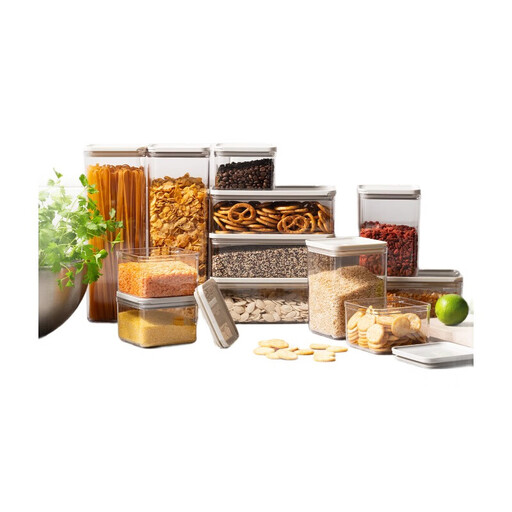
Why this suits this profile: For a perfectly organised kitchen, this set offers twelve pots in four capacities, enough to structure your entire pantry.
The variety of sizes stops you storing everything in one large, awkward pot. The lids with silicone seals are designed to provide an airtight closure.
Twelve pieces in BPA-free transparent plastic, four capacities from 0.5 to 2.6 litres, a stackable design and care instructions stating they are dishwasher-safe.
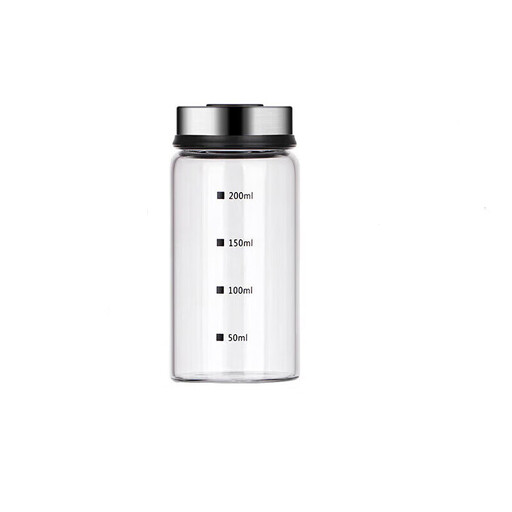
Why this suits this profile: Designed for spices, this size is aimed at cooks who want to keep their aromatics within easy reach, close to their preparation area.
Dedicated storage stops you mixing small spice pots with the large containers reserved for cereals or pasta.
The name indicates borosilicate glass and a rotating design, two interesting features for a dedicated spice area.
We've put together a comprehensive, real-time updated selection of products that meet these demanding criteria and European safety regulations.
To keep dry foods in good condition, a simple routine is all you need:
For the Bodum models mentioned here, the instructions state they should not be used in the oven, microwave, freezer or on a hob. It is also not recommended to store liquids above 60 °C in them. These precautions should be checked in each product's manual.
Yes, suitable sizes can hold flour, rice, pasta, cereals and pulses. The key is to protect the food from moisture, close the lid properly and never store a product that is still warm.
It depends on the use. Glass generally resists odours better and lets you see the contents at a glance. BPA-free plastic, on the other hand, is lighter and less likely to break. For a high shelf or daily use, weight can make all the difference.
Avoid thermal shocks, never force a deformed lid, and inspect the seal regularly. A cracked, loose or hard-to-clean seal can compromise the quality of the closure. Keep lids perfectly dry and replace any damaged parts when possible.