
Livraison le jour même ou le lendemain

Qualité garantie

Débloquez vos offres de bienvenue: Livraison GRATUITE | Jusqu'à -80 % | 30 jours d'essai gratuits à JoyPlus
Téléchargez l'application
A well-organised home often starts with a simple yet essential step: choosing the right storage container. Whether you're keeping food fresh, decluttering cupboards, or prepping meals for the week, the right container can make all the difference. However, the market is saturated with marketing promises that don't always hold up to daily use. To avoid buyer's remorse, it's best to know the common pitfalls and invest in truly durable solutions.
As a Product Recommendation Manager at Joybuy, my mission is to help you sort through the options. Let's review the mistakes to avoid and the criteria that truly matter to find the perfect storage container for you.
Buyer's excitement can quickly fade if the product doesn't live up to expectations. Here are the most common flaws that turn a good idea into a daily headache.
To avoid these pitfalls, simply focus on a few objective technical features. These are the details that determine the quality and longevity of your future food container or storage solution.
The choice of material depends entirely on how you plan to use it.
A good lid is just as important as the container itself. The most reliable systems combine two key elements:
A good storage solution should, above all, save you space. Check that the containers are designed to stack in a stable and secure way. A base and lid that nest perfectly are the sign of a well-thought-out design for an effective cupboard organiser. Note that square or rectangular shapes optimise space much better than round ones.
To illustrate these criteria in practice, here are a few products that meet different needs and user profiles.

Why we chose it: This comprehensive set is perfect for *meal prep* fans. The different sizes allow you to portion out main courses and sides, while the borosilicate glass lets you go straight from the fridge to the microwave to heat up your lunch box at the office.
The clip-lock system and silicone seal guarantee a foolproof seal (pitfall #1). The borosilicate glass withstands thermal shock, unlike regular glass (pitfall #2).
Total versatility: freezer, oven (without lid), and microwave safe. The 10-piece set offers excellent value for money to get you fully equipped in one go.
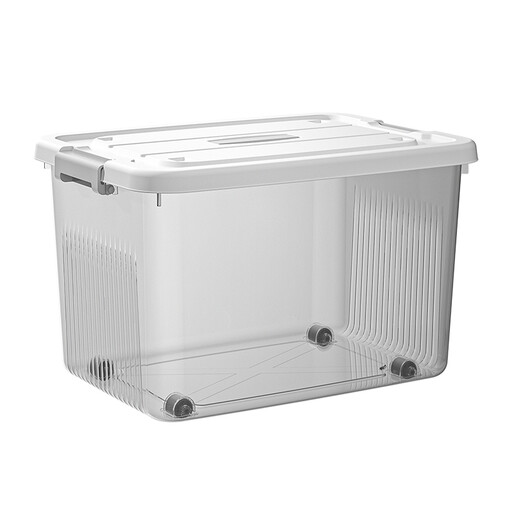
Why we chose it: Ideal for general storage (clothes, toys, documents). Its large capacity and transparency let you identify the contents at a glance. The integrated handles make it easy to handle, whether on a shelf or in the car trunk.
Its structure is designed for stable stacking thanks to reinforcing ribs and a non-slip base, which overcomes the wobbly stacking pitfall (pitfall #3).
Durability. The 2.5 mm thickened body and reinforced corners are designed for heavy-duty use and a long lifespan, even with heavy loads.
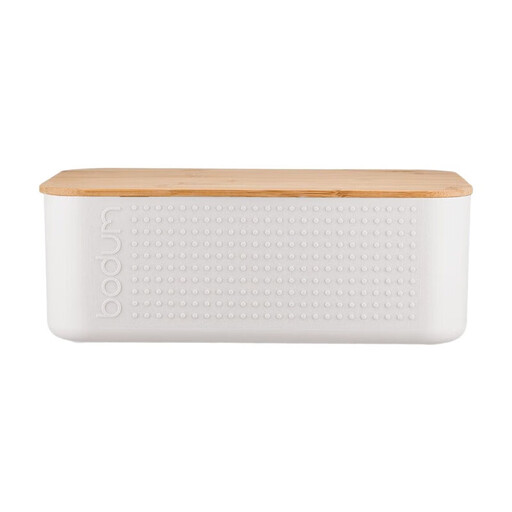
Why we chose it: For those looking to combine function and design on their countertop. More than just a simple storage basket, it's a decorative piece that keeps bread fresh while freeing up space. Cleverly, its lid also doubles as a cutting board.
It avoids the pitfall of purely utilitarian and unattractive storage. It integrates a smart 2-in-1 function (box + board) into a minimalist design that enhances the kitchen.
The sustainable bamboo lid that doubles as a cutting board. An elegant and practical solution, made from guaranteed BPA-free materials.
We have curated a complete selection of products that meet our strict selection criteria and current safety standards.
How can I tell if a plastic container is food-safe? Check for a "BPA-Free" label and look for the recycling symbol. The number 5 inside the triangle, along with the letters PP (polypropylene), indicates a food-grade plastic that is stable, heat-resistant, and generally safe for the microwave and dishwasher.
Can you really put a glass container from the freezer into the oven? Only if it is made of borosilicate glass. This type of glass is specially designed to withstand extreme temperature changes without the risk of shattering. Standard glass (soda-lime glass) would crack under such thermal shock. Always check the manufacturer's recommendations and, in any case, never put the plastic lid in the oven.
What is the lifespan of a silicone seal on an airtight container? With proper care, a silicone seal can last for several years. To preserve its elasticity and sealing power, opt for hand-washing with a mild detergent. Avoid the dishwasher, which can wear it out prematurely. Remember to remove it from time to time to thoroughly clean the lid's groove and let it dry completely before putting it back.