
Livraison le jour même ou le lendemain

Qualité garantie

Débloquez vos offres de bienvenue: Livraison GRATUITE | Jusqu'à -80 % | 30 jours d'essai gratuits à JoyPlus
Téléchargez l'application
A leak in a roof, gutter or window can’t always be fixed with the same product. Yet packaging often makes the same promises: “anti-leak”, “waterproof”, “long-lasting barrier” or “multi-surface adhesion”. To avoid wasting your money, it’s best to compare three things: the type of surface, the product format and the application conditions.
This selection is aimed at homeowners, DIY enthusiasts, landlords, motorhome owners, boaters and renovation professionals looking for a waterproofing solution that suits their needs.
A butyl sealing tape is generally suitable for a joint, crack or clearly defined area. A waterproof coating, on the other hand, is designed to cover a larger surface: a roof, flashing or exterior wall, for example. Using a spray over a large area can lead to excessive consumption and an uneven layer.
Metal, PVC, glass, wood, concrete, bitumen, fabric and leather all behave differently. An anti-leak adhesive tape may work on several materials, but it must be applied to a clean, dry surface. Meanwhile, a waterproofing treatment for leather and fabric should only be used on the items it’s intended for. Always check the label and any restrictions stated by the manufacturer.
A product may feel dry to the touch without having finished curing. If the datasheet says it’s rain-resistant after a few hours, that doesn’t necessarily mean the surface can be used straight away. Wind, temperature, the thickness applied and ambient humidity can all affect the result.
For a tape, compare its width, length and thickness. A width of 50 mm works for many joints. Models of 100 or 150 mm cover a crack or joint more fully, but need a sufficiently flat surface to avoid creases.
The thickness should also match the job. A thick tape will conform more easily to uneven surfaces, but it will also be more visible on a narrow finish. For a coating, follow the recommended quantity and apply several coats if the technical datasheet advises it.
Before any application:
For a chemical product or aerosol, check the label, hazard pictograms and safety data sheet. Mentions of “solvent-free” or “odourless” don’t mean you can skip ventilating the room. The packaging must also provide the regulatory information required in the European Union.
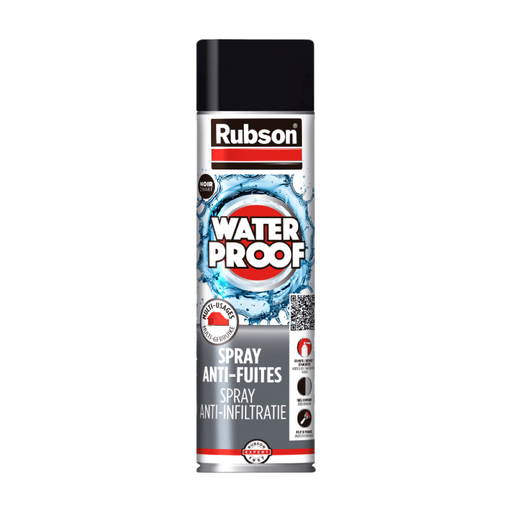
Why this choice suits this profile: Its 300 ml aerosol format is ideal for small repairs and hard-to-reach areas, with no need for mixing beforehand.
Targeted spraying means you don’t have to buy a large tub just to fix a single crack or joint. The surface must still be prepared according to the instructions.
Liquid rubber coating, touch-dry claimed in 20 to 30 minutes and paintable after 24 hours according to the product datasheet.
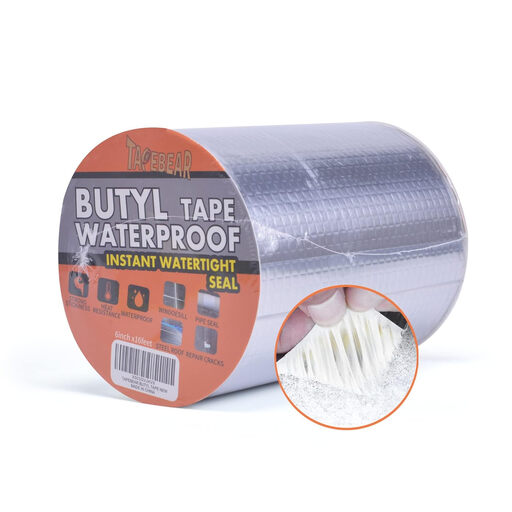
Why this choice suits this profile: Its 150 mm width is designed for areas that need substantial coverage, such as certain roofs, gutters, ponds or leisure vehicles.
Its width reduces the need for multiple narrow strips and joins, which are often weak points.
Butyl rubber tape reinforced with aluminium and polyester, 150 mm wide, stated length of approximately 5 m and compatibility indicated with PVC, EPDM, glass, wood and metal.
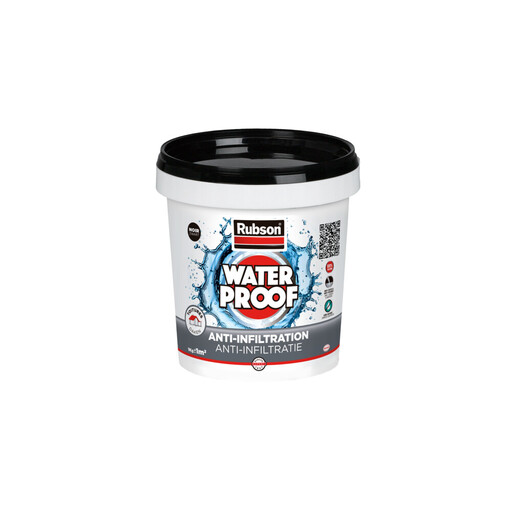
Why this choice suits this profile: Ready to use, this coating is suitable for regular work on pitched or flat roofs, flashings, chimneys, gutters and wall cracks.
The tub lets you control the thickness with a brush or roller, rather than having to gauge a spray over a large area.
1 kg tub, stated solvent-free formula, elastic film and a temperature resistance range indicated from −20 °C to +80 °C. The datasheet states rain resistance after 1 to 3 hours, depending on the thickness applied.
We’ve put together a comprehensive, real-time updated selection of products that meet these strict criteria and European safety regulations.
In most cases, no. The butyl tapes shown here must be applied to a clean, dry surface to ensure good adhesion. Even if a spray is claimed to be compatible with a slightly damp surface, follow the instructions carefully and avoid applying it in the rain.
It all depends on the surface, the preparation, any movement of the surface and its exposure to UV, frost and standing water. A tape that’s been properly pressed down or a coating applied at the recommended thickness can stay in place for a long time. However, no solution removes the need to regularly inspect a roof, gutter or exposed seal.
A brush for wood stain and waterproofing is good for corners, joints and small areas. For covering a larger surface, a roller is often more practical. If the coating is thick, check that the sprayer is compatible with the product. Clean your tools immediately, following the instructions on the packaging, to prevent the material from hardening.