
Livraison le jour même ou le lendemain

Qualité garantie

Débloquez vos offres de bienvenue: Livraison GRATUITE | Jusqu'à -80 % | 30 jours d'essai gratuits à JoyPlus
Téléchargez l'application
Water seeping in around a window, a motorhome roof or a pipe joint can quickly damage surrounding materials. Butyl sealing tape offers a practical solution for many repairs – provided you choose the right width, the correct backing and the proper application method.
Before you place your order, though, a few pitfalls can turn a good idea into a wasted expense.
A standard aluminium adhesive tape may reflect heat or provide temporary protection, but it doesn't necessarily contain a layer of butyl rubber. This flexible material moulds itself to minor surface irregularities and forms a barrier against water and air.
To repair a roof leak, a window joint or a part of your caravan or motorhome, check the product composition carefully. An aluminium foil layer alone doesn't guarantee a complete seal.
A tape that's too narrow means more joins, increasing the number of spots where water can get through. On the other hand, a very wide tape can be tricky to position on a window or door seal, or in a tight corner.
The width should cover the crack with enough overlap on each side. Thickness also deserves your attention when the surface is uneven or the tape needs to fill a gap.
Even a waterproof butyl tape won't stick well if the surface is covered with water, dust, grease or silicone residue. A rushed application might make the leak seem sealed, only for the adhesive to peel off gradually.
For an outdoor repair, choose a dry spell and keep the freshly treated area sheltered from rain for the time recommended by the manufacturer.
Here are some useful guidelines:
A wide outdoor repair tape reduces the number of joins, but requires more care during application to avoid creases.
Butyl stays flexible and can conform to slightly uneven surfaces. An aluminium adhesive tape reinforced with polyester or non-woven fabric adds mechanical protection and limits direct UV exposure of the butyl.
Check the compatible surfaces stated by the manufacturer: metal, PVC, glass, wood, fibreglass, EPDM or concrete don't all offer the same adhesion. For sealing a boat or repairing a motorhome, it's best to choose a product specifically designed for multiple materials.
Some technical datasheets give an operating range, for example –40 °C to 80 °C for certain TAPEBEAR tapes. This figure applies to the product stated and shouldn't be assumed for all references.
Before application:
For a portable air conditioner seal, the solution may be different: a dedicated window strip needs to let the duct through while limiting draughts. Measure the opening before ordering.
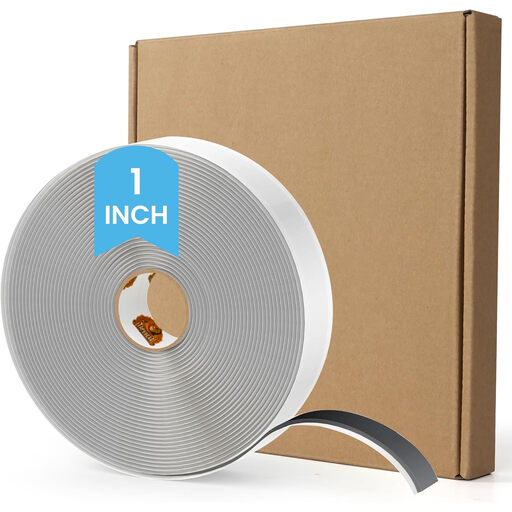
Why this choice suits this profile: its 25 mm width is ideal for small household repairs, car windows and joints that don't need a very wide cover.
The listing states a butyl rubber construction, not just a simple adhesive film, and compatibility with multiple surfaces.
A 9 m roll, a stated thickness of 3 mm and good flexibility for uneven areas.
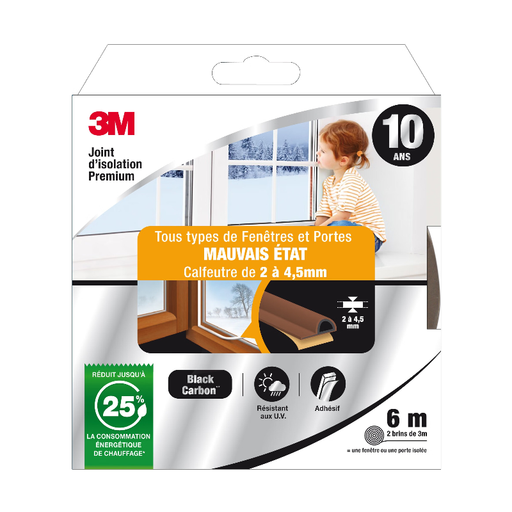
Why this choice suits this profile: this solution is suitable for frames with a gap of 2 to 4.5 mm, particularly on wooden, PVC or aluminium doors and windows.
The gap range is clearly stated, so you won't choose a seal that's too thin or too thick for the frame.
Two 3 m strips, carbon-reinforced rubber and UV resistance as stated in the product listing.
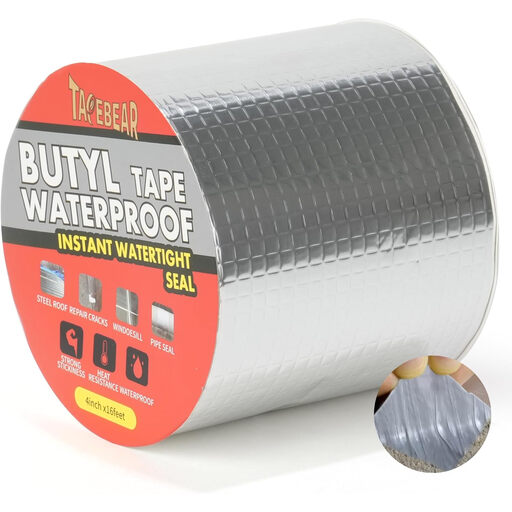
Why this choice suits this profile: its wide format is ideal for motorhome roofs, awnings, boats, ducts and surfaces that need extensive sealing.
At 100 mm wide, it reduces the number of joins on a large surface. Its aluminium backing also provides extra protection for the butyl layer.
A tape stated to be resistant to water, UV, heat and corrosion, compatible with metal, glass, wood, PVC and fibreglass.
We've put together a full, real-time updated selection of products that meet these demanding criteria and European safety standards.
Yes, certain products with an aluminium backing are designed for repairing roofs, gutters, awnings and various outdoor surfaces. The surface must be clean, dry and sufficiently stable. For a significant leak or damaged structure, the tape can provide a temporary fix, but it won't replace proper repair of the surface.
It depends on the material, UV exposure, temperature variations, surface preparation and any movement of the surface. The durations stated in a product listing apply to specific usage conditions. Check the edges regularly, especially on a caravan roof, a boat or a highly exposed installation.
It's best not to. Water and contaminants significantly reduce adhesion. Dry the area completely, postpone application if necessary and protect the tape from rain for the recommended time. This precaution helps the seal hold and prevents premature peeling.