
Livraison le jour même ou le lendemain

Qualité garantie

Débloquez vos offres de bienvenue: Livraison GRATUITE | Jusqu'à -80 % | 30 jours d'essai gratuits à JoyPlus
Téléchargez l'application
Faced with overflowing shelves, choosing a vitamin drink can quickly become overwhelming. Between promises of energy, hydration, and wellness, it's hard to know what to pick. Unfortunately, behind the colourful labels often lie less-than-appealing ingredient lists. To avoid unpleasant surprises and wasted money, here are the traps to be aware of before making your choice.
1. The disguised "sugar bomb" trap: This is the most common pitfall. You think you're buying a healthy drink, but you end up with the sugar equivalent of a soda. Keep an eye out for terms like "fructose syrup," "cane sugar," or "fruit juice from concentrate": these are often clues that a drink is overloaded with sugar, despite marketing that boasts about its vitamins.
2. The "natural flavours" illusion: Don't be fooled by the "natural flavour" label. Contrary to popular belief, this is no guarantee that the product contains fresh fruit. More often than not, it refers to compounds extracted from natural sources, which provide none of the nutrients of a real piece of fruit. The result: your peach-flavoured drink might contain only a trace of juice... or none at all.
3. The ambiguous energy promise: A healthy energy drink worthy of the name draws its effectiveness from nutrients like B vitamins, which contribute to a healthy energy metabolism. However, many products simply provide an artificial "kick" with a cocktail of sugar and caffeine, which inevitably leads to a crash.
A few simple habits are all it takes to navigate the jungle of functional drinks. Here are the points to check before you head to the checkout.
First instinct: decode the label. A low-calorie drink or a no-added-sugar drink is often a better choice for regular consumption.
Not all vitamin drinks are created equal, nor do they serve the same purpose. Ask yourself what your primary need is.
Packaging is a detail that matters. A wellness drink multipack will be more economical for home use, while individual bottles or pouches are ideal for sports, the office, or when you're on the move.
To help you see more clearly, we've identified a few options that suit different user profiles, keeping our criteria in mind.
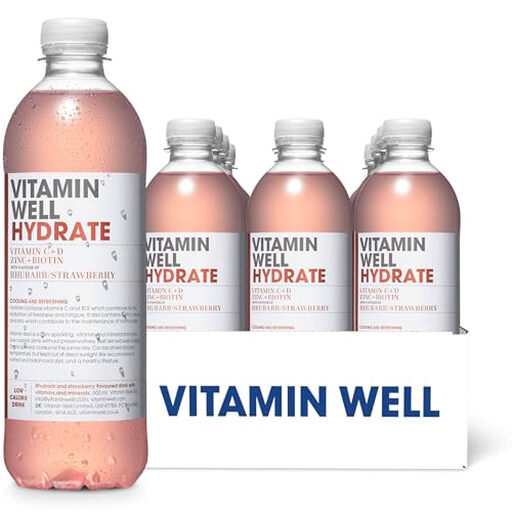
Our take: Perfect for hydrating after a workout or during a marathon day at the office. The 12-pack is ultra-practical, so you never run out.
With only 16 kcal/100 ml and a controlled sugar content (3.9 g/100 ml), it avoids the sugar bomb pitfall. Its vitamin C, B12, and zinc content clearly targets hydration and bodily support.
A well-designed formula for hydration, with a fresh and subtle rhubarb-strawberry taste that isn't overpowering.
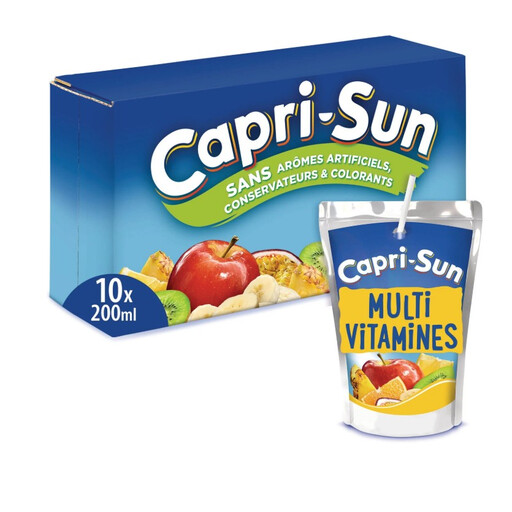
Our take: The convenient solution for kids' snack time (and adults' breaks!). Its small 200ml pouch fits anywhere and offers a nice alternative to sodas and classic juices.
The product is transparent about its composition: 12% fruit juice from concentrate and spring water. The enrichment with vitamins (C, B3, E, B6, B1, Biotin) makes it a clearly identified multivitamin drink.
A fun, portable format loved by kids and adults alike, with a varied vitamin boost.
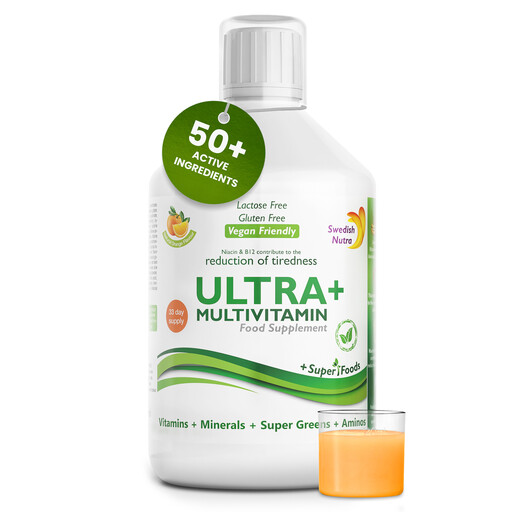
Our take: Much more than just a drink, this is a true daily nutrient shot. Its ultra-comprehensive vegan formula will appeal to the most demanding nutrition enthusiasts.
There's no confusion here: this isn't a drink for quenching thirst, but a liquid supplement. The promise is crystal clear: a concentrated nutritional intake. The exhaustive list of ingredients and their precise dosages (% of NRV) offers total transparency.
An ultra-comprehensive liquid formula with over 30 active nutrients, including vitamins, minerals, amino acids, and plant extracts.
Discover our full selection of products that meet our quality criteria and comply with current regulations.
Absolutely not. A vitamin drink is a supplement and will never replace a healthy, balanced diet. Fresh fruits and vegetables contain fibre, antioxidants, and a myriad of micronutrients not found in a commercial drink. However, it can be a helpful backup to supplement your intake, especially on busy days.
It's all in the composition and the goal. A functional drink or vitamin water primarily aims to hydrate and provide targeted nutrients (vitamins, minerals), often with a moderate calorie count. Conversely, a classic energy drink seeks an immediate "kick" with high doses of caffeine and sugar. The objective is completely different.
It all depends on the product and your lifestyle. The best advice: read the recommendations on the packaging carefully. For most of them, moderate consumption as part of a varied diet is the best approach. They are particularly useful during periods of fatigue, after intense physical exertion, or simply to hydrate with a little more enjoyment.