
Livraison le jour même ou le lendemain

Qualité garantie

Débloquez vos offres de bienvenue: Livraison GRATUITE | Jusqu'à -80 % | 30 jours d'essai gratuits à JoyPlus
Téléchargez l'application
A sports hydration drink should not be chosen solely for its flavour or the promise displayed on the label. Electrolyte drinks, vitamin drinks, isotonic drinks, sugar-free energy drinks and recovery drinks all serve different purposes. A product that is pleasant to drink every day may not be suitable for a long training session, while a caffeinated formula will not necessarily be right for everyone.
To avoid unnecessary purchases, it is better to compare the ingredients, format and amount you are likely to consume. Here are the main criteria to consider before ordering a pack of sports drinks.
A drink enriched with vitamins or minerals can complement an active day, but that does not mean it automatically replaces water during physical activity. For a moderate session, water is often enough. However, during prolonged exercise or in hot weather, the presence of sodium, potassium or magnesium may be a useful point of comparison.
A sugar-free energy drink may contain sweeteners, caffeine or plant extracts. The “zero sugar” claim alone therefore does not reveal the product’s overall profile. Check the amount of caffeine per bottle, the type of sweetener used and the volume corresponding to one serving.
Conversely, some isotonic drinks and sports powders contain a significant amount of carbohydrates. This can be useful during sustained exercise, but is less relevant for regular consumption at the office or while travelling. Compare the values per 100 ml and per prepared serving: the differences can be considerable.
An electrolyte drink may contain sodium, potassium, calcium or magnesium. Sodium deserves particular attention in products designed to replace losses caused by sweating. Potassium and magnesium are sometimes added to complement the formula.
For everyday use, choose a simple composition with a low calorie content. For longer activities, an isotonic drink or a powder to dilute may be more practical, particularly if you want to adjust the amount you prepare. Follow the dilution instructions precisely: a powder intended for one litre of water should not be concentrated arbitrarily.
Vitamin Well Reload Lemon, Refresh and Hydrate drinks contain 14, 17 and 16 kcal per 100 ml, respectively. A 500 ml bottle therefore contains approximately 70 to 85 kcal, with sugars coming mainly from fructose. Vitamin Well Zero Lemon and Zero Raspberry, on the other hand, contain 0 or 1 kcal per 100 ml, with no declared sugar in the Zero Lemon version.
This comparison helps distinguish a lightly sweetened vitamin drink from a low-calorie drink that is more suitable for regular consumption.
A BCAA drink may combine leucine, valine and isoleucine. The NOCCO products featured here also contain caffeine: 105 mg per 330 ml can for the Peach version and 180 mg for Focus Ramonade. These amounts should be taken into account if you already drink coffee, tea or other caffeinated drinks.
Caffeine may also be unsuitable in certain situations, particularly if you are especially sensitive to it or following the advice of a healthcare professional. Pregnant women and people taking medication should check the information on the packaging and seek medical advice if necessary.
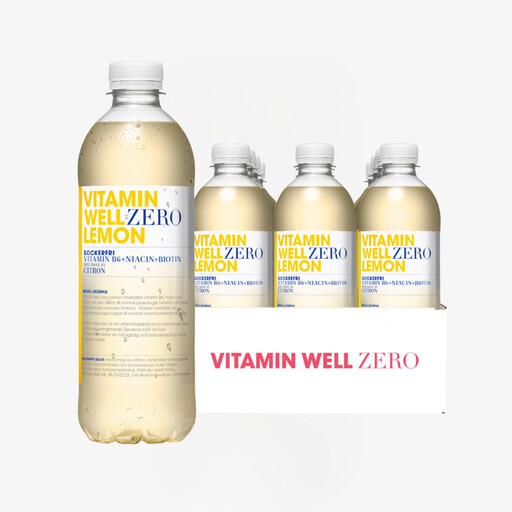
Why this choice suits this profile : This pack of 12 x 500 ml bottles is ideal for anyone looking for a practical drink for work, travel or moderate training, with no declared sugar.
The label states 0 kcal and 0 g of carbohydrates per 100 ml. This makes it easy to compare the formula with sugary drinks.
500 ml format, still drink, vitamins C, D, B6 and B12, plus zinc. According to the product information, the bottles are made from recycled plastic.
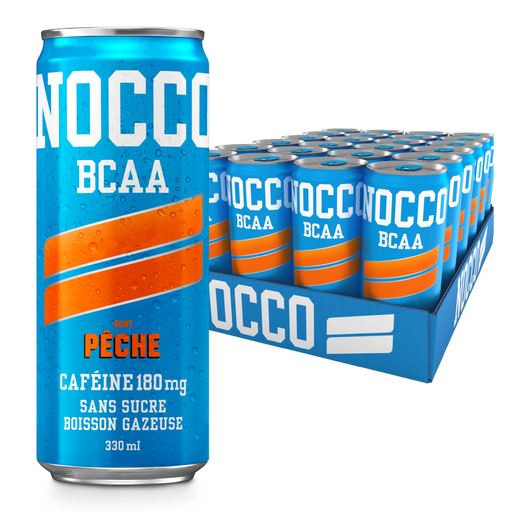
Why this choice suits this profile : Fitness enthusiasts looking for a sugar-free, BCAA-enriched, caffeinated formula get an individually sized drink that is easy to enjoy before or after training.
The amount is clearly stated per can: 2,500 mg of BCAAs and 105 mg of caffeine. This makes it easy to calculate your total intake.
Pack of 24 x 330 ml cans, 0 g of sugar, 4 kcal per can, vegan formula and lightly carbonated according to the available information.
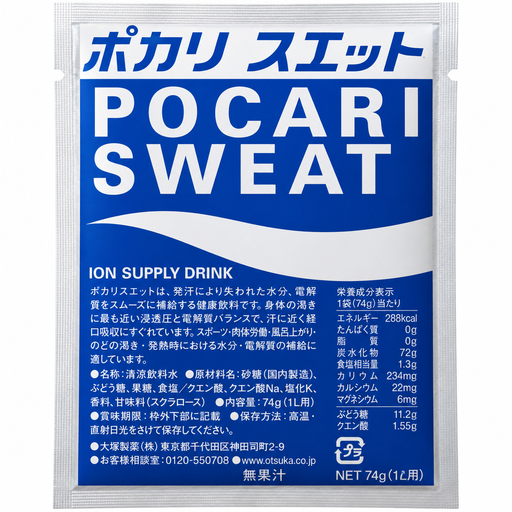
Why this choice suits this profile : This powder to dilute is designed for people who regularly exercise outdoors, travel or want to store several portions conveniently.
The dosage is clearly defined: one 74 g sachet dissolves in 1 litre of water. This means you avoid carrying heavy bottles and comparing formats that are not equivalent.
Easy-to-carry powder, one-litre preparation, with sodium, potassium, calcium and magnesium listed. The sachet contains 288 kcal and 73 g of carbohydrates.
For post-exercise hydration without caffeine, a low-calorie vitamin drink such as Vitamin Well Hydrate or Refresh can be suitable for everyday use, alongside water and a balanced diet. If you are looking for a source of protein, Andros Sport Protein Hydration Drink Tropical provides 10 g of protein per 120 g serving, with skimmed milk, so you should take the presence of milk into account.
Capri-Sun + Electrolyte products, available in 330 ml pouches, provide magnesium and vitamins, with approximately 20 kcal and 4.9 g of sugar per 100 ml. They may appeal to people who prefer a lightweight, resealable format.
We have put together a complete, real-time updated list of products that meet these demanding selection criteria and European safety regulations.
No. For a short, low-intensity activity, water may be enough. A drink containing electrolytes or carbohydrates should mainly be chosen according to the duration of the exercise, the temperature and the amount you sweat.
Product information generally recommends refrigerating the bottle or prepared drink and consuming it within 24 hours. Always check the label of the product you have bought. For a can or bottle containing caffeine, also take your total daily intake into account.
Not necessarily, although this is often the case. Check the “energy” line per 100 ml and per serving. For example, Vitamin Well Zero Lemon contains 0 kcal per 100 ml, while some electrolyte drinks containing juice or sugar have a higher calorie content.