
Livraison le jour même ou le lendemain

Qualité garantie

Débloquez vos offres de bienvenue: Livraison GRATUITE | Jusqu'à -80 % | 30 jours d'essai gratuits à JoyPlus
Téléchargez l'application
Buying tools and supplies for DIY, the office and creative hobbies can quickly become a headache. A cordless drill driver, a 4-hole punch or clear plastic pockets should not be chosen based solely on price or appearance. Some features highlighted in listings are not especially meaningful in everyday use, while essential practical details may be missing from the product description.
Here are the main points to check before ordering, along with a selection of products suited to different uses in France.
For an electric screwdriver or hammer drill, the battery voltage alone is not enough to assess real-world performance. Torque in newton metres, no-load speed, chuck type and the number of settings all have a direct impact on how easy and effective the tool is to use.
A battery with a high stated voltage may still offer limited performance if its capacity is low or the charger is slow. It is therefore better to examine the full technical specification rather than focusing on the most prominent figure in the title.
A 4-hole punch must match the ring spacing of the binder being used. Similarly, A3 punched pockets may have a different layout depending on the type of binding. A pocket in the right size but incompatible with your binder could end up forgotten at the back of a drawer.
For filing and stationery supplies, always check :
Die-cutting dies for scrapbooking, embossing stencils and creative card-making accessories are not necessarily compatible with every machine. A metal die may require a suitable cutting machine, while a stencil may sometimes need to be used with a specific embossing technique.
Before placing your order, check the dimensions, material, design and compatibility with your equipment. An attractive illustration in a listing does not guarantee that the format will suit your cards or album.
For household tasks, several combined criteria are far more revealing than battery voltage alone :
A model described as a hammer drill should also be used in accordance with the materials and limitations specified by the manufacturer. For very hard concrete or intensive work, your requirements may exceed those of a versatile cordless appliance.
A 4-hole punch designed for a standard binder must provide consistent alignment. Its punching capacity is just as important : exceeding the recommended number of sheets may deform the mechanism or create uneven holes.
A 1-hole punch is better suited to labels, tickets, index cards or documents requiring customised positioning. Compact in size, it can easily be stored in a drawer, pencil case or school stationery kit. In both cases, a confetti tray prevents small pieces of paper from ending up all over your desk.
Smooth, clear plastic pockets make documents easier to read, but they do not all meet the same needs. For plans, drawings or illustrations, A3 punched pockets should be checked on three points :
For example, the OXFORD pockets featured here offer an A3 landscape internal format folded towards A4, 9/100 clear PVC and nine punched holes. The stated average capacity is 20 sheets per pocket. These details should be considered alongside your binder and the volume of documents you need to archive.
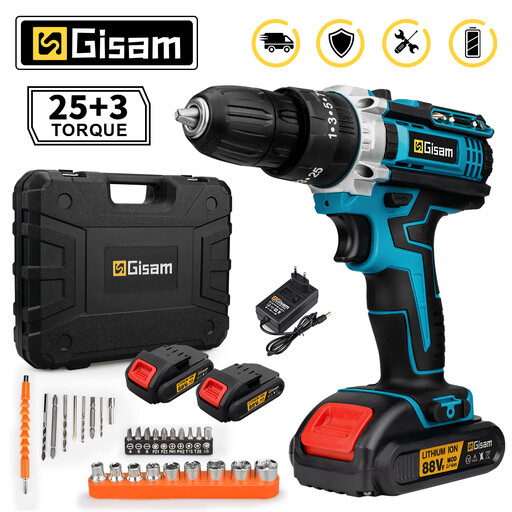
Why this choice suits this profile : Its kit includes a cordless drill, two batteries, a charger, 29 bits and a case. It is an ideal setup for small household tasks and everyday assembly jobs.
The specification clearly states the 25 Nm torque, two speeds and 25 torque settings, rather than focusing solely on battery voltage.
1.3 Ah lithium-ion batteries, 2 to 10 mm keyless chuck, LED light and forward-reverse rotation.
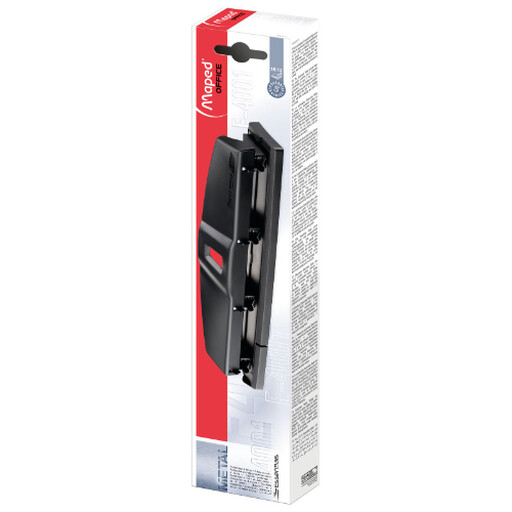
Why this choice suits this profile : Its all-metal construction and five-year manufacturer’s warranty are ideal for users looking for a durable office tool that can withstand regular use.
The capacity is clearly limited to 10 sheets of 80 g/m² or 12 sheets of 70 g/m², helping prevent excessive strain on the mechanism.
Four-hole alignment, confetti tray with opening flap and maintenance requiring no more than a wipe with a dry cloth.
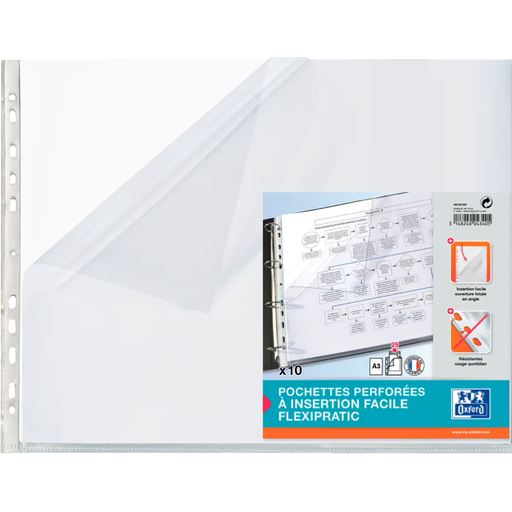
Why this choice suits this profile : This pack is designed for teachers, students, illustrators and offices filing plans, illustrations or large-format documents.
The internal format, PVC thickness and nine punched holes are specified, making it easy to check compatibility with the binder you have available.
Smooth 9/100 clear PVC, white reinforced strip and a stated average capacity of 20 sheets per pocket.
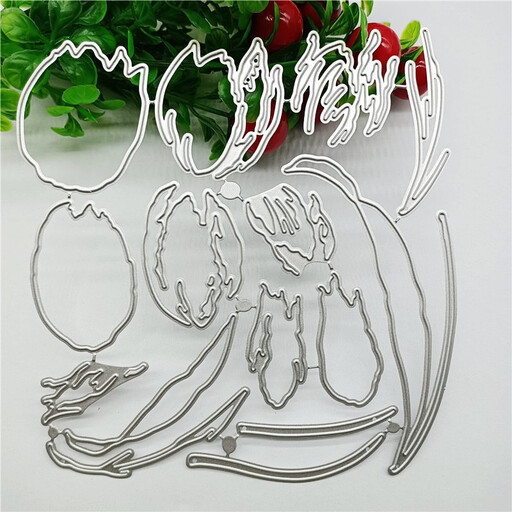
Why this choice suits this profile : This set is ideal for photo albums, card-making and paper decoration projects, provided it is compatible with your machine.
Checking the format and machine beforehand helps you avoid buying a design that is incompatible with or unusable on the equipment you already own.
Designs for cutting, embossing and decorating cards or albums.
We have put together a complete, real-time updated list of products that meet these strict selection criteria and European safety regulations.
To avoid unpleasant surprises, compare the product description with your actual intended use :
A 4-hole punch is suitable if the spacing between its holes matches that of the binder. The MAPED model featured accepts up to 10 sheets of 80 g/m², according to the information provided. For flexible positioning, a 1-hole punch is more practical.
It depends on how often they are handled, the weight of the documents and storage conditions. A reinforced strip around the punched holes, such as the one on the OXFORD pockets, can reduce the risk of tearing. However, avoid high temperatures and contact with sharp objects.
For many household tasks, a drill driver can handle both screwdriving and drilling. The right choice depends on the torque, speed and accessories supplied. For repeated use or very hard materials, compare the tool’s technical limitations with the demands of the project.