
Livraison le jour même ou le lendemain

Qualité garantie

Débloquez vos offres de bienvenue: Livraison GRATUITE | Jusqu'à -80 % | 30 jours d'essai gratuits à JoyPlus
Téléchargez l'application
A crack in your rendered facade? It's a common problem that can quickly detract from your home's curb appeal. The first instinct is to rush to the DIY aisle. The problem: it's overflowing with solutions, but they are not all created equal—far from it. Choosing the wrong product guarantees a visible, short-lived repair, and often means you'll have to start all over again.
As a product expert at Joybuy, my mission is to guide you. Let's skip the marketing jargon and get straight to the facts. Here's a breakdown of the mistakes to avoid and the criteria that truly matter for choosing a sealant that will blend in seamlessly.
To avoid these pitfalls, a few technical characteristics need close attention. This is what separates an amateur DIY job from a professional finish.
For a porous substrate like render, an exterior acrylic sealant is the gold standard. Its water-based formula ensures excellent adhesion to concrete, brick, or plaster. It has two major advantages: it can be cleaned with water before it cures and, crucially, it is paintable. This detail is essential for blending the repair into the colour of your facade.
This is THE secret to a repair that doesn't show. To replicate the appearance of a rendered wall, you need a granular exterior filler. This type of product contains mineral fillers (grains of sand or quartz) that recreate the texture of the render. During application, these grains allow the sealant for render to merge with the existing substrate. Without this, making the repair invisible is impossible.
A good facade repair sealant must remain flexible after curing. This elasticity allows it to accommodate the building's movements without cracking. Also, check its resistance to weather and UV rays. A quality product will not yellow or degrade under the sun or rain, ensuring the longevity of your work. A high-quality paintable exterior sealant will offer additional protection once coated.
Every crack has its own story. Here is our selection of products tailored to different needs, to help you choose wisely.
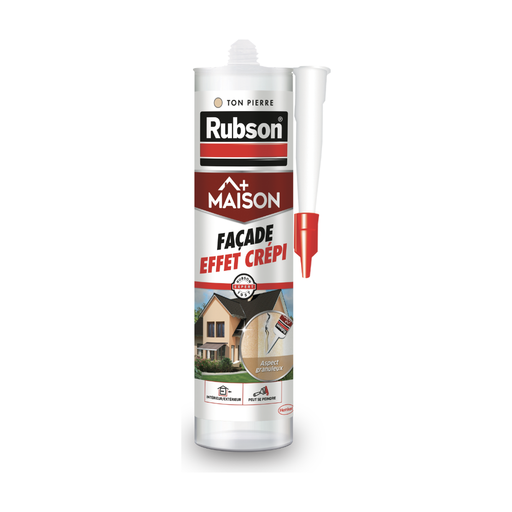
Why we chose it: For those who need to fill a crack in an exterior render and achieve a completely undetectable result. The goal: a perfect fusion with the substrate for a professional finish.
Its aggregate-filled formula perfectly replicates the texture of render. Say goodbye to the smooth, visible "patch" effect—this product is made for the job.
A granular finish that blends into the render. Its acrylic base remains flexible and can be painted after 48 hours for a flawless result.
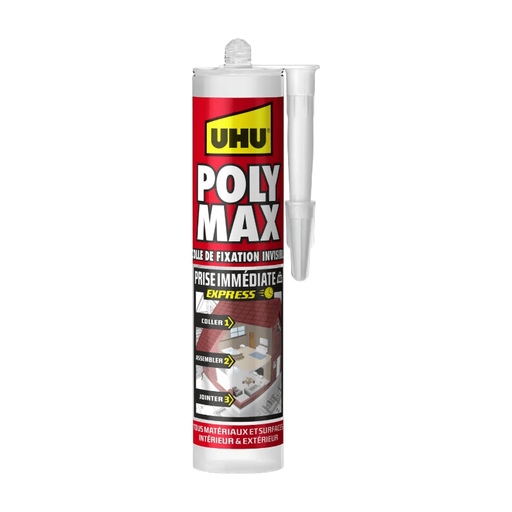
Why we chose it: For the DIYer looking for a Swiss Army knife that can glue, assemble, and seal, both indoors and out. Filling a crack is just one of its many talents; here, versatility and performance are king.
It avoids the trap of a short-lived repair. Its hybrid polymer technology ensures permanent elasticity and outstanding resistance to extreme temperatures (-40°C to +100°C) and UV rays. Cracks won't be reappearing anytime soon.
Superior adhesion on virtually all substrates (wood, metal, PVC, concrete). Can be painted. Perfect for expansion joints or structural bonding outdoors.
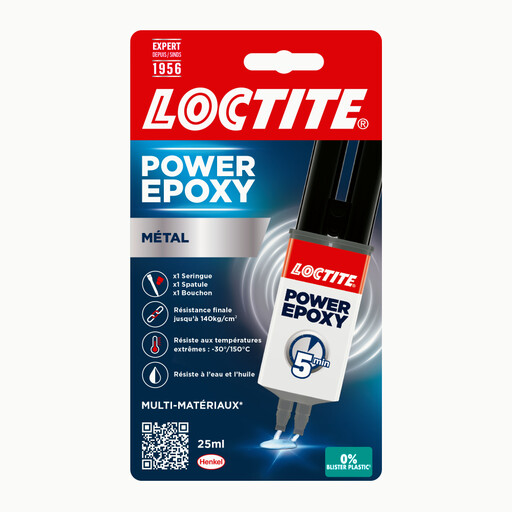
Why we chose it: When the goal isn't to fill a crack, but to anchor a heavy metal element (awning bracket, plaque, etc.) to a rendered wall. In this case, only bonding strength matters.
It avoids the classic mistake: using a simple sealant for a structural fixing. This two-part epoxy glue is engineered to support heavy loads where a standard sealant would simply fail.
Formidable bonding strength, especially for metals. Can be drilled, sanded, and filed after curing for a clean finish. The safe choice for critical fixtures.
Absolutely, and it's even recommended for a flawless result. You just need to respect the full curing time indicated by the manufacturer (usually 24 to 48 hours) before you break out the paintbrushes.
Proper preparation is the key to a lasting repair. Start by "opening up" the crack with a metal scraper to remove all crumbling parts and dust. Then, brush the inside and surrounding areas. The substrate must be perfectly clean, dry, and sound before applying the sealant.
With a quality product, chosen for its elasticity and UV resistance, and a properly prepared surface, the repair will last for many years. The final durability will depend on the facade's exposure to the elements and the building's structural movements.