
Same-day & Next-day Delivery

Quality Guaranteed

Unlock Your Welcome Offers: FREE Delivery | Up to 80% OFF | Free 30-day JoyPlus trial
Download the APP
Designing your patio, balcony, or garden is as much a matter of style as it is of practicality. The self-watering outdoor planter stands out as a game-changing solution: thriving plants with less watering. However, the market is flooded with models making tempting promises that can quickly turn into a disaster. Before falling for a sleek design, it's crucial to know how to spot the hidden flaws behind the label.
Here are the two most common scams to watch out for:
To make an informed choice, focus on the technical details that make all the difference. These are objective markers, far more reliable than marketing-speak, for judging a planter's true quality.
A good self-watering system does more than just store water; it must, above all, ensure root health. Check two things:
Exposed to UV rays, rain, and frost, a planter is put to the test. For a patio planter that won't end up in the trash after one season, check these points:
The size of the planter is crucial for the healthy development of your plants. A large outdoor flower pot is essential for shrubs or floral arrangements that need space to flourish.
Here are models that check all the boxes on our list, each tailored to a specific need.
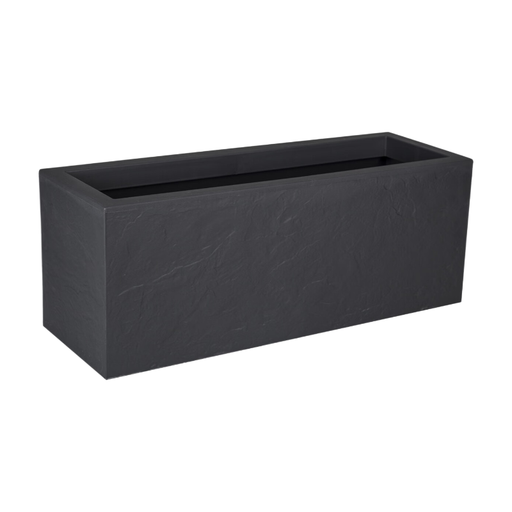
Why we recommend it: This model checks all the boxes: a generous volume (57L), a contemporary design with a convincing stone effect, and above all, a smart design built to last and simplify maintenance.
Its water retention system includes a true drainage zone and pre-drillable spots for overflow. Its French manufacturing ("Origine France Garantie") and its frost-proof and UV-resistant composition are the best defence against premature wear.
It combines a comfortable 57L volume and a length of nearly 80 cm, perfect for housing shrubs or structuring a space. Its design allows it to be easily paired with other pots from the range for a harmonious look.
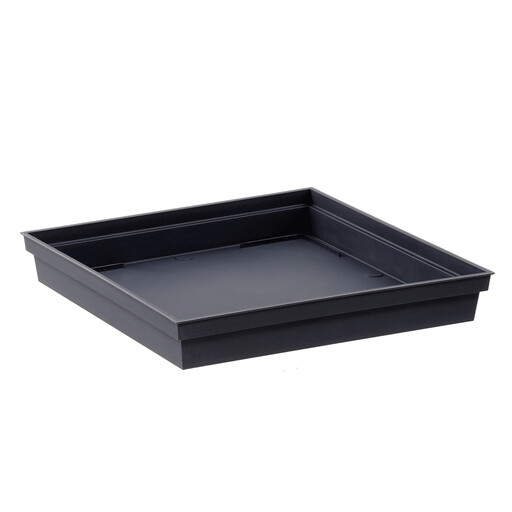
Why we recommend it: It's the often-overlooked accessory, yet essential for indoor use or on delicate flooring (hardwood, wood decking...). It effectively protects against water rings and soil runoff.
It solves the #1 problem of indoor watering: runoff. By pairing it with a pot, you can leave the drainage holes sealed without risking turning your living room into a swimming pool.
It ensures a flawless finish while protecting your floors. Its anthracite grey colour is perfectly matched to the planters in the EDA collections, creating a visually cohesive set.
Explore our full selection of products that meet our strict specifications and current quality standards.
For outdoor use, it is imperative to drill the designated holes at the bottom of the container so that excess water can drain. For indoor use, do not drill anything, but be sure to place a suitable saucer under the pot to protect your floor from leaks during watering.
Yes, the container is designed to withstand freezing temperatures without cracking. Be aware, however, that this does not protect the plant itself! The plant's survival depends on its own hardiness (its resistance to cold). Remember to protect more delicate plants with a winter fleece, or bring them indoors if the pot's size allows.
This label certifies that the product derives its essential characteristics from France and that at least 50% of its production cost is French. In practical terms for a planter, this often implies adherence to more demanding manufacturing standards and better traceability of raw materials. It is therefore a good indicator of quality and durability.