
Livraison le jour même ou le lendemain

Qualité garantie

Débloquez vos offres de bienvenue: Livraison GRATUITE | Jusqu'à -80 % | 30 jours d'essai gratuits à JoyPlus
Téléchargez l'application
A simple container can transform a balcony, patio or room. But with claims about durability, water reservoirs and decorative finishes, it is easy to choose a flower pot or planter that is not actually right for your plants.
Three mistakes come up time and again:
The right choice therefore depends on the container’s size and shape, its material, how water is drained and where it will be placed.
The size of the pot should allow room for the roots to develop. A small, round flower pot is suitable for compact plants, herbs and some houseplants. For a larger plant, a square flower pot provides a stable base and fits easily against a wall or into a corner.
A large planter is better suited to flowering displays, shrubs and creating a visual divider on a patio. However, take the time to measure the available space accurately, particularly the width of a balcony or the clearance in front of a door.
As a guide, a 21-litre container such as the EDA Volcania Up Square is suitable for moderately sized decorative plants, while a 98-litre model can accommodate larger displays. However, bear in mind that the stated capacity does not always correspond to the amount of compost you will need. The water reservoir, clay pebbles and space left at the top all affect the actual fill level.
A planter with a water reservoir generally has a separate section beneath the growing medium. It stores a quantity of water that is accessible to the roots, helping you water less frequently. This system is useful if you are away occasionally, have a very exposed patio or are growing plants that prefer consistently moist compost.
However, it does not mean you can stop monitoring watering. A reservoir that is constantly full can cause excess moisture, depending on the variety, season and temperature. Check that there are suitable drainage holes for outdoor use and, indoors, provide a saucer or protective tray.
Some DEROMA models feature a removable plug, allowing you to choose between drainage and water retention. This versatility is useful if the pot needs to move from the garden to the living room, provided you configure it correctly for its intended use.
For outdoor use, look for clear information about resistance to the elements. A frost- and UV-resistant pot is designed to withstand changes in temperature and exposure to sunlight more effectively. This does not remove the need to protect delicate plants or check that water cannot freeze inside an enclosed part of the container.
Containers made from recycled polypropylene, polymer or other synthetic materials are generally easier to move than terracotta models. A recyclable flower pot can also support a more responsible approach to shopping, provided you check the manufacturer’s information about its composition and end of life.
Indoors, ceramic and metal add real decorative impact. Ceramic requires more care to prevent knocks, while metal should be kept dry around the watering area to protect its finish.
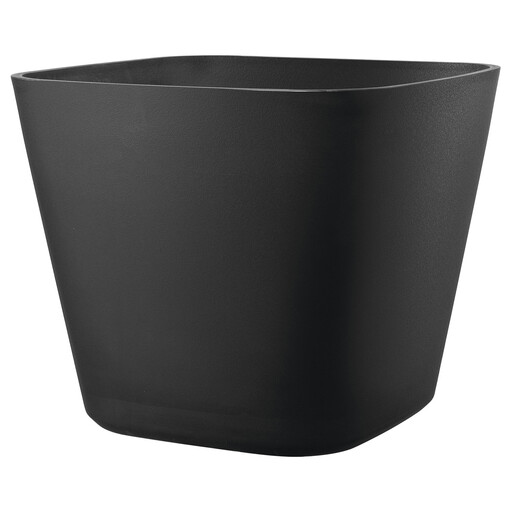
Why it suits this type of customer : This flower pot for balconies or patios combines a 38 cm square format with a simple design that requires no assembly. Its anthracite shade coordinates easily with a range of outdoor styles.
The manufacturer’s specification mentions frost and UV resistance, as well as a removable plug. You can therefore choose between drainage and water retention depending on where the pot is placed and the plant’s needs.
Recycled and recyclable materials, square format, easy care with a damp cloth and no assembly required.
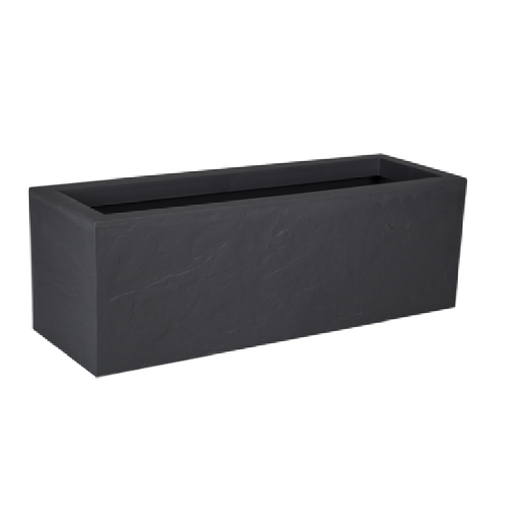
Why it suits this type of customer : Its stone effect and dimensions of 99.5 × 39.5 × 43.5 cm create a striking feature on a patio or at an entrance. Its 98-litre capacity is suitable for large displays.
The product specifications state that it has a double wall, a water-retention zone and pre-drilled holes. This allows you to distinguish the container’s appearance from the functions it is actually designed to provide.
Large capacity, UV and frost protection according to the manufacturer, material stated to be 100% recyclable and Origine France Garantie-certified production.
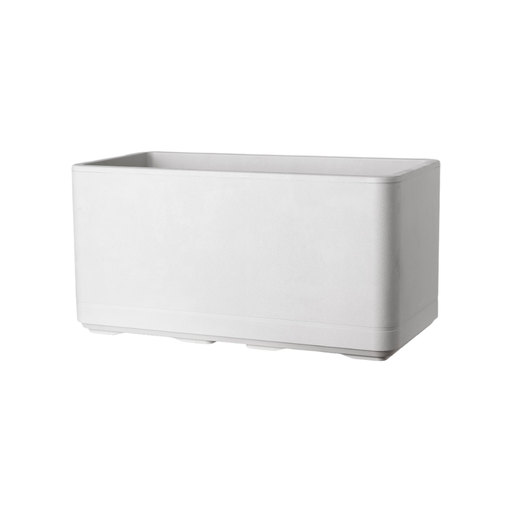
Why it suits this type of customer : Its integrated reservoir and wheels meet the needs of anyone who regularly moves their plants between indoors, the balcony and the patio.
The removable bottom plug lets you switch from conventional drainage to a water reservoir. This flexibility is particularly useful when growing plants with different needs.
Integrated reservoir, removable plug, wheels and material stated to be recycled, recyclable, frost-resistant and UV-resistant.
We have brought together a complete, real-time updated selection of products that meet these demanding criteria and European safety standards.
Before filling an indoor flower pot, place it on a saucer or waterproof tray. Outdoors, check that the drainage holes are not blocked by compost. In a planter with a water reservoir, clean the lower section regularly to prevent debris from building up.
On a raised surface, check the container is stable before watering. For larger models, distribute the growing medium evenly without exceeding the maximum load supported by the balcony or patio. In winter, the pot’s stated frost resistance will not necessarily protect a plant that is sensitive to frost.
Cleaning with clean water or a damp cloth is usually sufficient. Avoid abrasive products, which could damage a matt finish, stone effect or coloured surface.
Start by measuring the available depth and checking that the ground is stable. A square flower pot fits easily into a corner, while a long planter is ideal along a railing or wall. In a very exposed area, choose a material whose product specifications mention UV and frost resistance.
It can reduce how often you need to water by storing a quantity of water in a dedicated compartment. However, consumption depends on the plant, temperature, wind and exposure. Monitor the reservoir level and avoid leaving it permanently full if the plant prefers drier compost.
This varies depending on the material, exposure, knocks and freeze–thaw cycles. The manufacturer’s information about frost and UV resistance provides valuable guidance before you buy. Regular care, clear drainage and a stable installation all help extend the container’s lifespan.