
Livraison le jour même ou le lendemain

Qualité garantie

Débloquez vos offres de bienvenue: Livraison GRATUITE | Jusqu'à -80 % | 30 jours d'essai gratuits à JoyPlus
Téléchargez l'application
Does your skin feel tight, have dry patches, or are you simply looking for daily comfort? Choosing a moisturising cream seems easy, but it can be a real puzzle when faced with shelves saturated with promises and formats. It's easy to get lost or, worse, to choose an unsuitable product that ends up forgotten in a drawer.
As a Product Expert at Joybuy, my role is to help you see things more clearly. Let's cut through the marketing jargon and get straight to the point. Here are the pitfalls to avoid and the real criteria for finding the skincare that will finally deliver on its promises.
To make an informed choice, you just need to focus on a few key points that determine if a product is right for you.
The feel of a cream on your skin is a deciding factor. There are three main families of textures:
You don't need to be a chemist to make the right choice. Spotting a few key active ingredients at the top of the INCI list (the list of ingredients) is an excellent habit.
Packaging isn't just about aesthetics; it has a direct impact on hygiene and practicality.
To put theory into practice, here are a few products that tick all the right boxes, each tailored to a specific user profile.
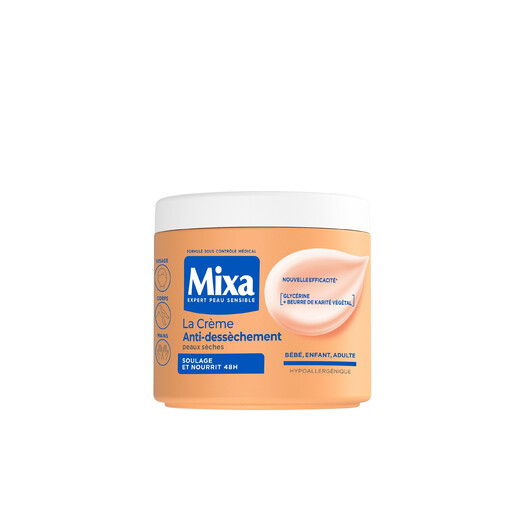
Why we love it: It's the quintessential family skincare product, suitable for daily use by everyone, including babies. Its large 400 ml size offers great value, and its formula is designed to minimise the risk of allergies.
Far from making unrealistic promises, this cream embraces its role: to be an ultra-effective nourishing cream for the body, face, and hands of dry and sensitive skin. Its formula is tested under medical supervision.
Hypoallergenic formula enriched with glycerin and 100% vegetable oils (shea, sweet almond). Excellent value for money for a family size.

Why we love it: Its 75 ml tube format is compact and hygienic, perfect for taking anywhere. Its light texture is absorbed in a flash, allowing you to use it on your hands or face without a sticky feeling.
This product solves the problem of unsuitable packaging. The tube protects the formula and prevents waste, making it a truly practical hand cream and face cream for when you're on the move.
Light, non-greasy texture. Formula enriched with 100% natural Jojoba oil and Vitamin E. Fast-absorbing for immediate comfort.
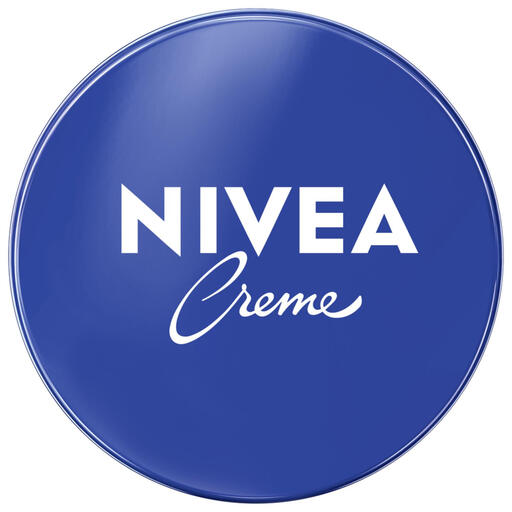
Why we love it: This is the iconic Nivea cream, the famous blue tin renowned for its rich and protective texture. It's perfect for those seeking a comforting, deeply nourishing treatment for the driest areas of the body.
This multi-use cream doesn't pretend to be lightweight; its richness is its signature. You choose it for its dense texture, ideal for the body, hands, or as an overnight face mask when your skin is crying out for nourishment.
Formula enriched with Eucerit, a patented moisturising agent. Iconic fragrance and a creamy texture that leaves skin soft and nourished for a long time.
Explore our complete selection of expert-approved products, ready to care for your skin.
A hydrating cream is designed to drench the skin with water using active ingredients like glycerin. A nourishing cream, on the other hand, is richer in lipids (fats) and works to strengthen the skin barrier to prevent that water from evaporating. Dry skin often needs both, which is why products that combine hydrating and nourishing agents are so beneficial.
It's possible, but with caution. A body moisturiser is often thicker and richer. It might be suitable for your face if your skin is very dry. However, if your facial skin is normal, combination, or oily, it's better to opt for a face moisturiser with a lighter texture to avoid clogging your pores.
Ideally, you should apply your cream once or twice a day, morning and night, on clean, dry skin. The key moment is right after a shower or bath, as hot water tends to weaken the skin's hydrolipidic film. Most importantly, listen to your skin: if it feels tight during the day, don't hesitate to reapply a small amount.