
Livraison le jour même ou le lendemain

Qualité garantie

Débloquez vos offres de bienvenue: Livraison GRATUITE | Jusqu'à -80 % | 30 jours d'essai gratuits à JoyPlus
Téléchargez l'application
Choosing a face and body moisturiser seems simple enough… until the texture feels sticky, the fragrance becomes overpowering, or the product simply doesn’t work for the area you’re targeting. Between promises of long-lasting hydration, claims of being “natural” and the active ingredients highlighted on the packaging, some essential criteria can easily be overlooked.
To avoid unnecessary purchases, focus on the texture, ingredients, format and how you’ll actually use the product. A hydrating body lotion won’t necessarily offer the same comfort as a hydrating face gel. Similarly, a nourishing cream for dry skin may feel too rich for combination or oily skin.
Hydration is mainly about adding and retaining water in the skin’s surface layers. Nourishment, on the other hand, relies more on fatty substances like shea butter or certain plant oils. Dry skin will often benefit from a formula that combines both, whereas oily skin is better suited to a light, non-occlusive texture.
A high percentage of aloe vera, niacinamide or another active ingredient isn’t enough to judge a product’s suitability. The full INCI list matters, as does the presence of fragrance, alcohol or film-forming agents. For a sensitive skin moisturiser, take the time to read the label and choose a formula that matches your own tolerance.
The face, hands, legs and a baby’s skin all have different needs. A face cream is usually sold in a small format with a light texture, whereas a 400 or 500 ml body lotion is more practical for daily application. For a newborn, choose a product explicitly designed for that purpose and apply it under adult supervision.
The speed of absorption also matters in daily use. A rich formula can be pleasant in the evening, while a gel or fluid lotion is more practical in the morning before getting dressed.
The terms organic cosmetic, “of natural origin” and “vegan” don’t all mean the same thing. A certification like COSMOS Organic by Ecocert Greenlife follows a specific standard, but it doesn’t guarantee the product will suit every skin type.
Read the INCI list on the packaging before use, as the formula can change. For an organic baby cream, check the minimum age for use, any precautions and whether it contains fragrance. If you’re considering an aloe vera gel, also check for alcohol, especially if your skin reacts easily to it.
A 40 or 50 ml tube fits easily into a wash bag or handbag. For daily use on the body, a 250 to 500 ml bottle means you won’t need to buy a replacement as often. Compare the price per volume rather than the listed price, and don’t forget to consider how much product you need for each application.
A dark spot cream or a treatment containing brightening ingredients must be used according to the manufacturer’s instructions. When the leaflet recommends it, applying sun protection during the day is essential.
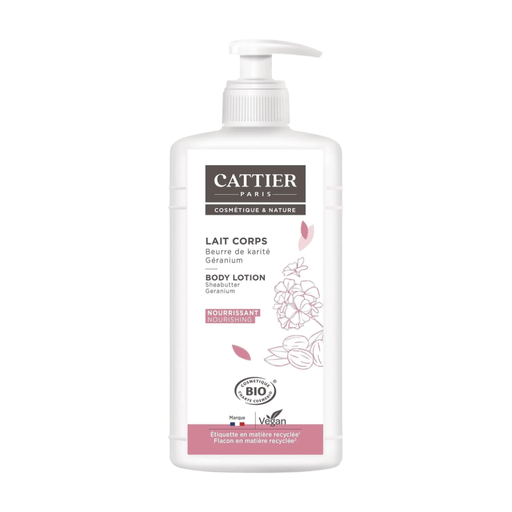
Why this choice suits this profile: With its 500 ml pump bottle, this lotion is ideal for a daily body care routine and for the whole family.
Its large format reduces the need for frequent repurchases. The formula combines glycerin, shea butter and plant oils, with a texture designed for the body.
500 ml, practical pump, shea butter and a formula stated to be certified organic and vegan.
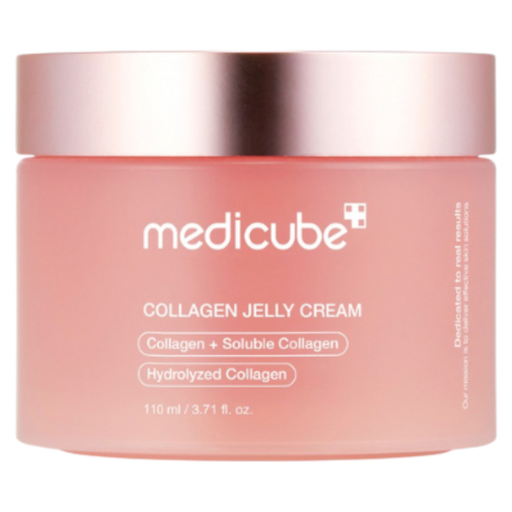
Why this choice suits this profile: Its light, gel-like texture and 50 ml format fit easily into a complete face care routine, morning and evening.
The formula is stated to be free from fragrance, silicone and artificial colourants. This makes it easier to check whether its composition matches your preferences.
Refreshing texture, spatula included, glycerin, squalane and hydrolysed collagen listed in the ingredients.
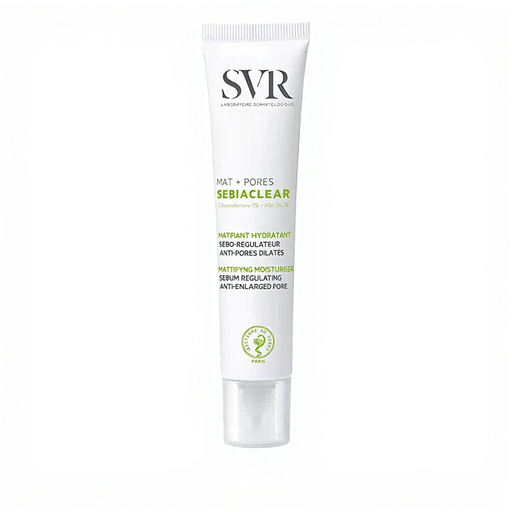
Why this choice suits this profile: Those looking for a mattifying treatment for oily skin will appreciate its compact size and suitability for morning or evening use.
It doesn’t just promise a mattifying effect: the product page also mentions niacinamide, gluconolactone and hydrating agents.
Fluid texture, matte finish, 40 ml format and salicylic acid listed in the ingredients.
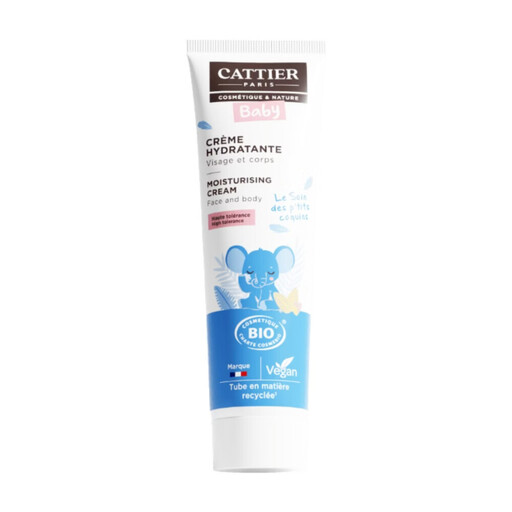
Why this choice suits this profile: This product is stated to be suitable for use from birth, on both the face and body, by a parent or another responsible adult.
The age of use, certification and precautions are clearly stated on the product page. A patch test is still recommended before regular use.
99% naturally derived ingredients, 60% from organic farming and COSMOS Organic certification stated.
We’ve put together a comprehensive, real-time updated list of products that meet these strict selection criteria and comply with European safety regulations.
Apply the product to clean skin, ideally after a shower for the body or after cleansing for the face. A small amount is usually enough: add more gradually rather than overloading the skin. Massage until fully absorbed, paying extra attention to dry areas.
For a baby, avoid the eye area and any irritated or broken skin. All applications must be carried out under adult supervision. If redness, itching or discomfort occurs, stop using the product immediately. If the problem persists or worsens, a cosmetic product is not a substitute for medical advice.
Only if the product page specifies this. Some formulas are designed for both face and body, while others are intended for one area only. Also check the texture and whether it contains fragrance.
A lotion is usually more fluid and designed for larger areas. A gel often feels more refreshing and absorbs quickly, which can suit combination or oily skin. However, the ingredients remain the deciding factor.
Check the symbol indicating the period after opening, as well as the date on the packaging. Close the bottle after each use and keep it away from heat and direct light. An unusual texture, smell or colour can also be a sign that it’s time to stop using the product.